

Appliance repair
Most problems can wait — a few can’t
Pick the appliance, then the problem. Every page answers the same three questions a photo does: what it is, how urgent it is, and who to call. A burning smell, sparks, a gas smell or water reaching electrics is urgent on any appliance; a noise, an error code or a machine that will not start rarely is.
Show us the problem.
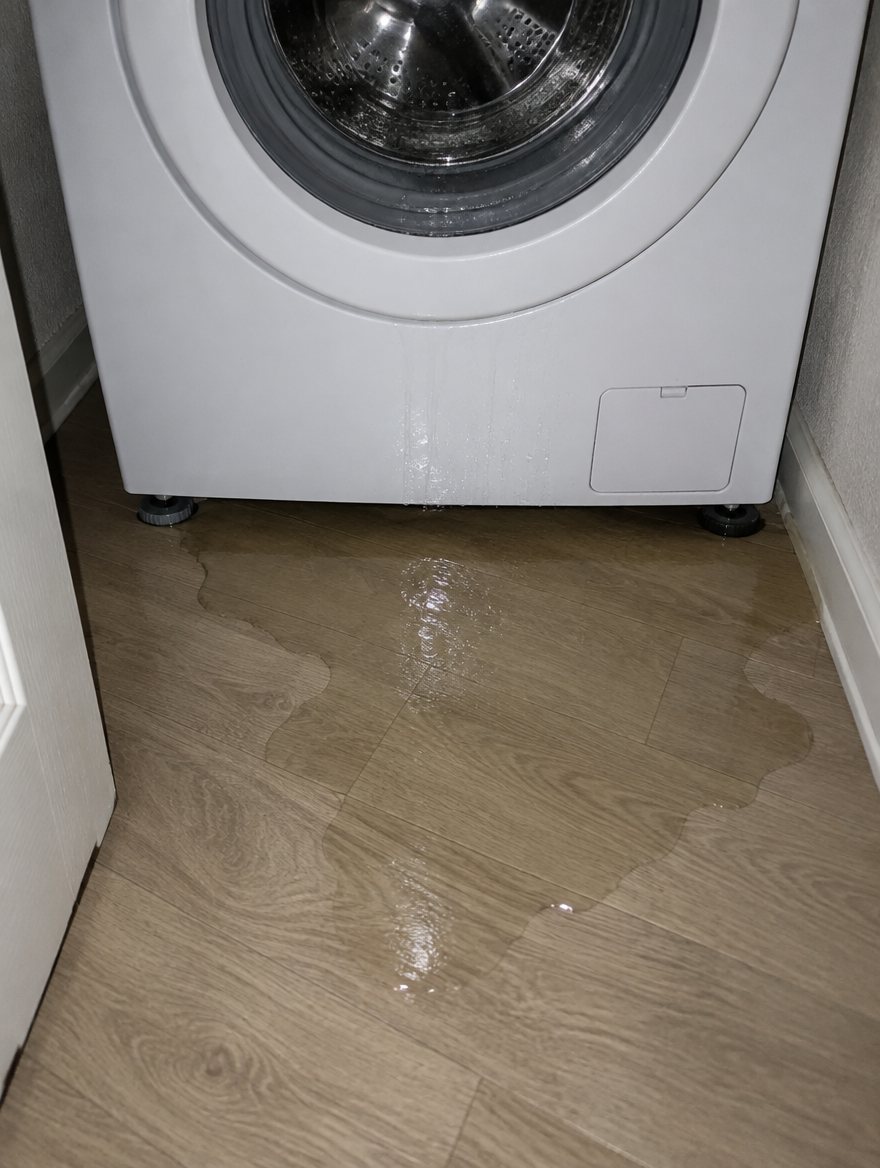
Snap a photo — see what it is, how urgent, who to call. One photo of the problem. fixRAgent reads it and gives you a Triage Profile.
Or start with a sentence
AR Logic LLC · Privacy · Managing this for someone else? There is a version of this for whole portfolios. Managers: set it up for your buildings →
Is an appliance problem an emergency?
Act now if you smell gas (leave, then call 911 or the gas company from outside), see smoke or sparks, or water is reaching outlets or coming through a ceiling. A noise, an error code or an appliance that will not start is rarely an emergency: turn it off and check power first.
By appliance
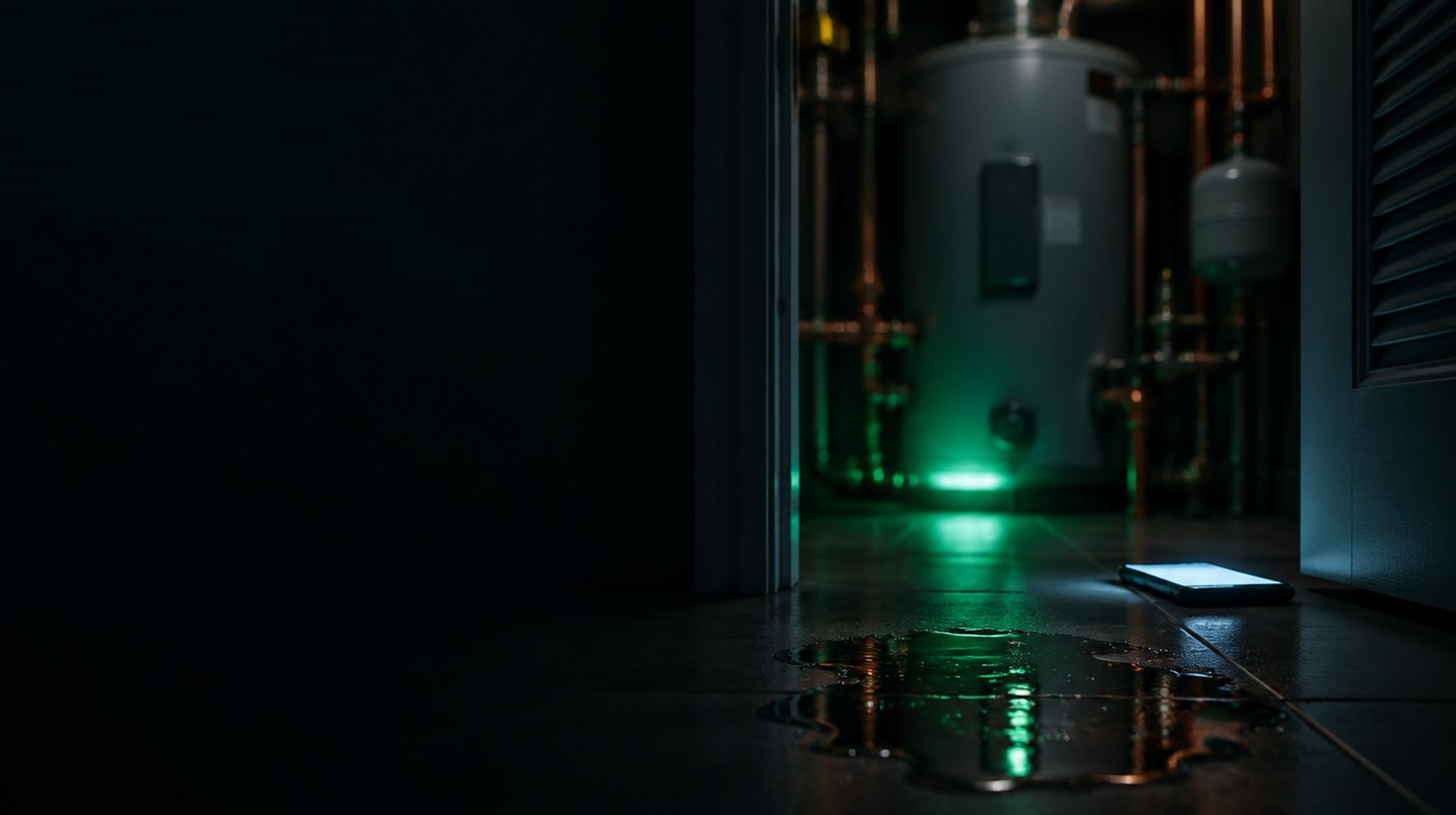 Water heater repairNo hot water is usually the heat source — a tripped breaker or high-limit switch, or a pilot that went out.
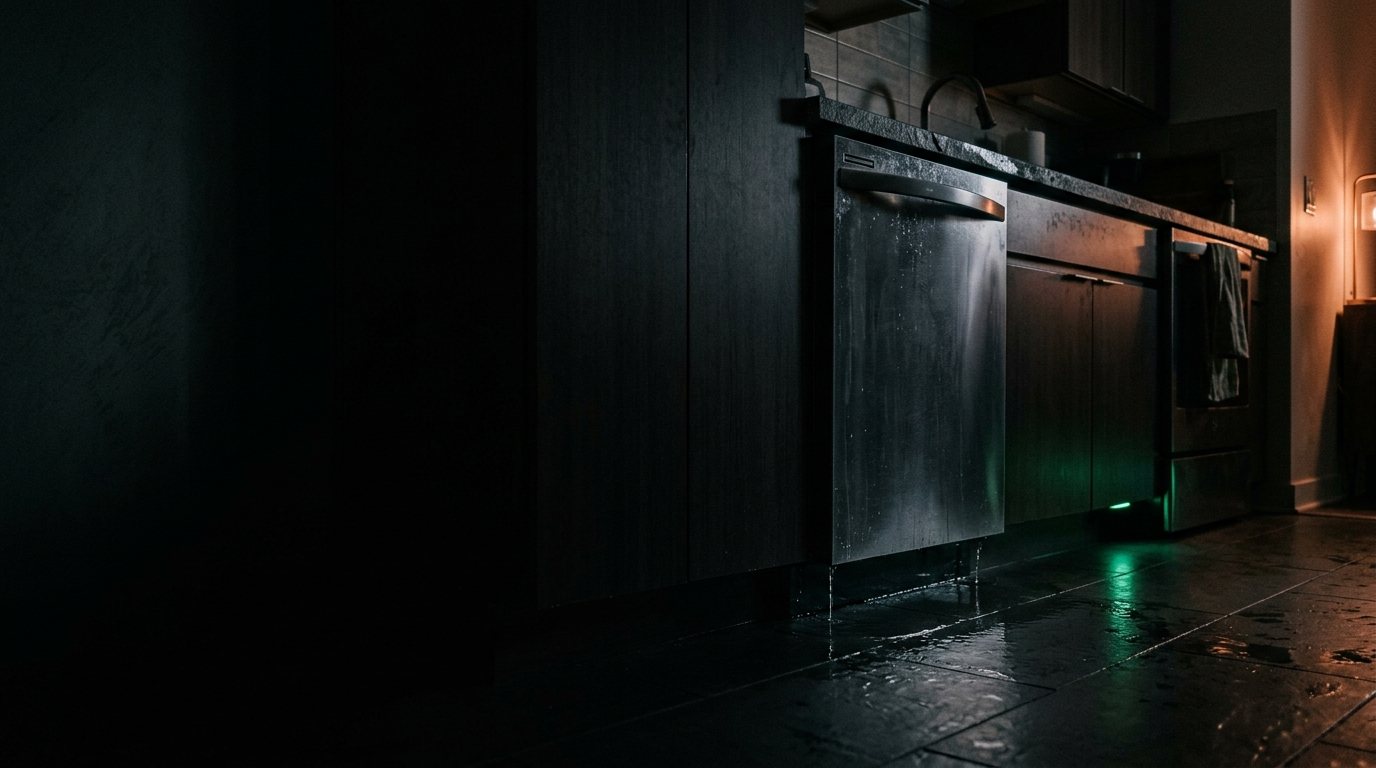 Dishwasher repairMost dishwasher problems are drainage and leaks: a clogged filter, a kinked drain hose, a worn door gasket or the wrong detergent.
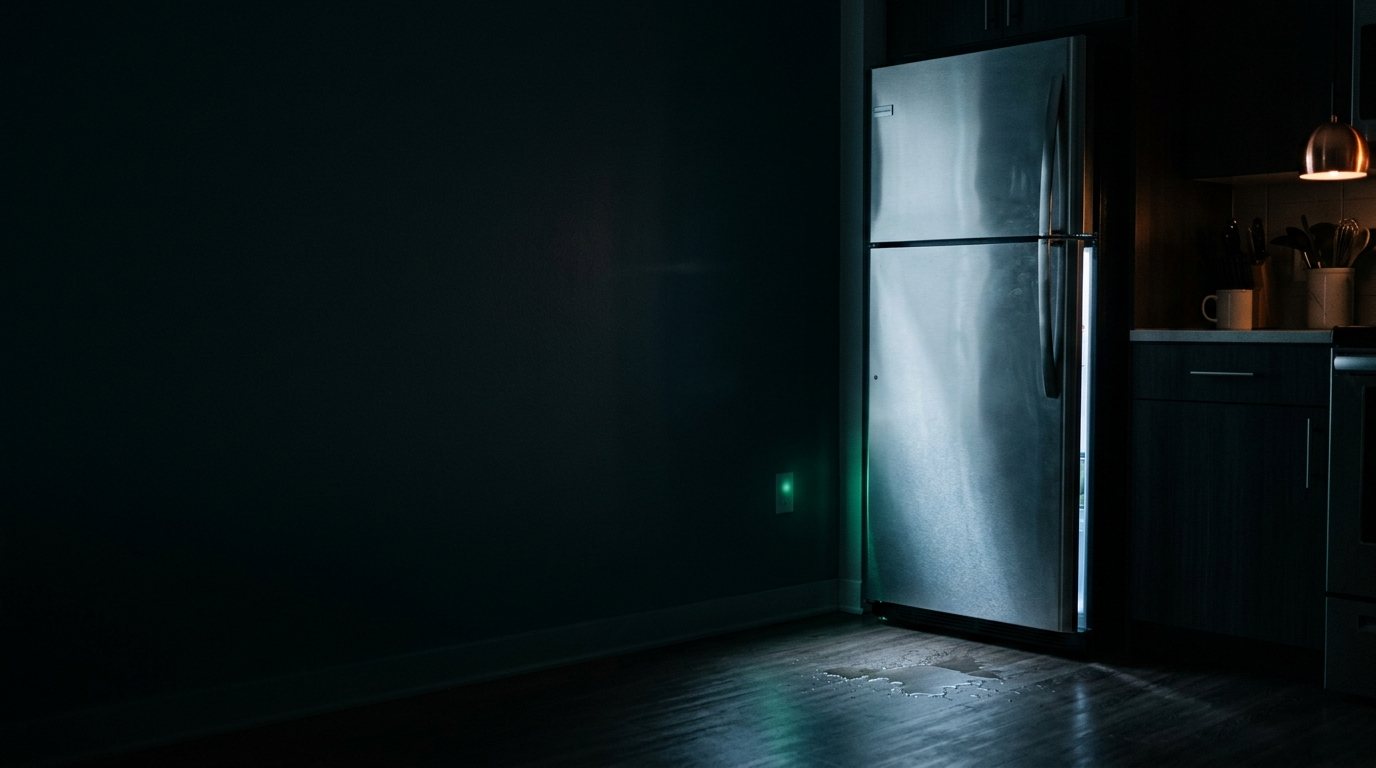 Refrigerator repairA fridge that is not cooling puts food at risk: the FDA says the fridge should hold 40°F or below and the freezer 0°F.
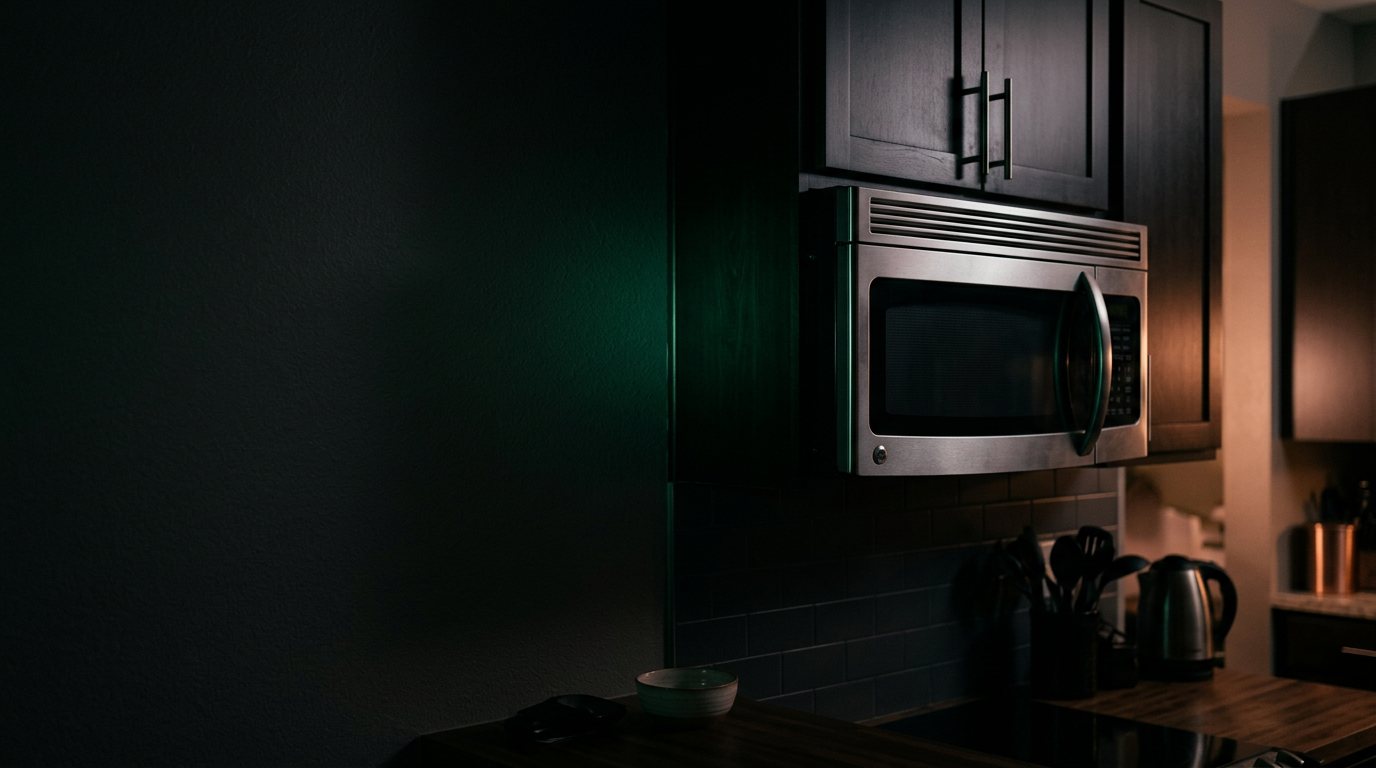 Microwave repairA microwave that sparks, smells of burning or keeps running with the door open should be unplugged and not used again until checked.
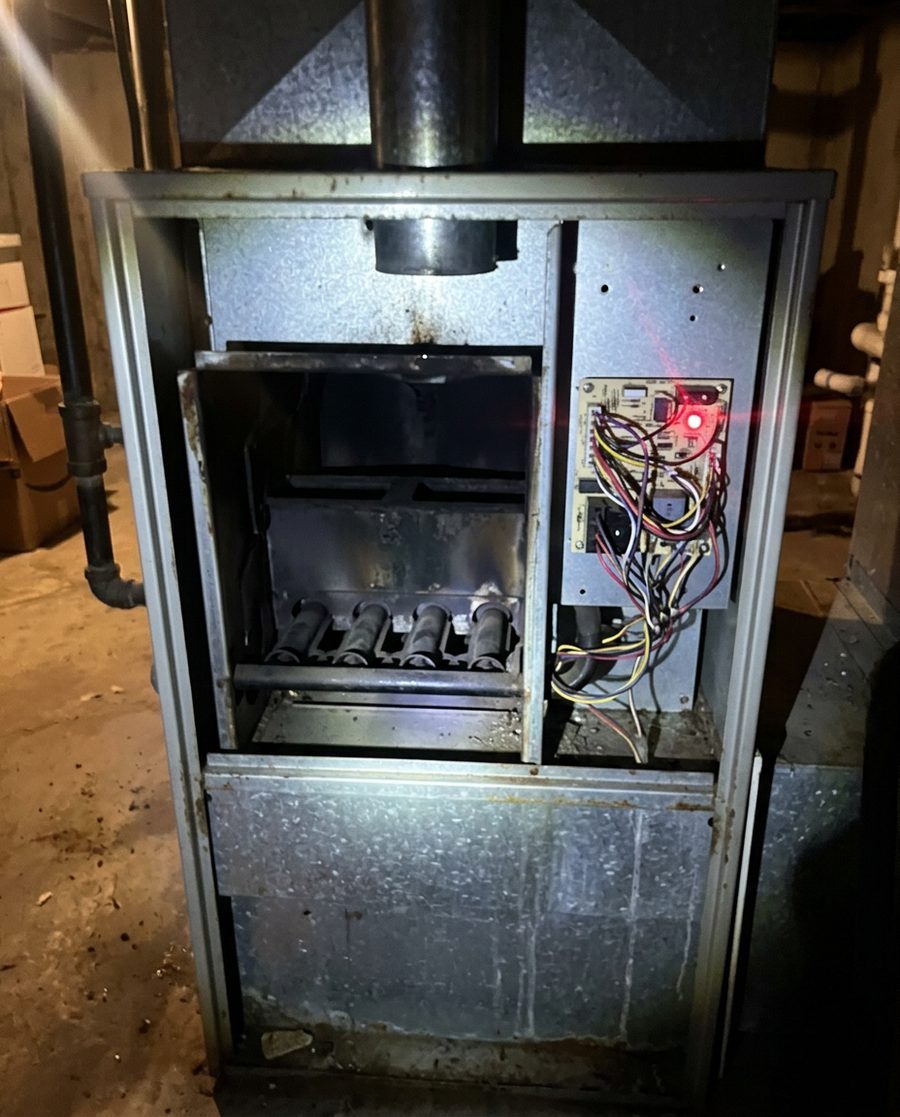 Furnace repairA furnace blowing cold air is most often the thermostat fan set to ON, a clogged filter or a dirty flame sensor.
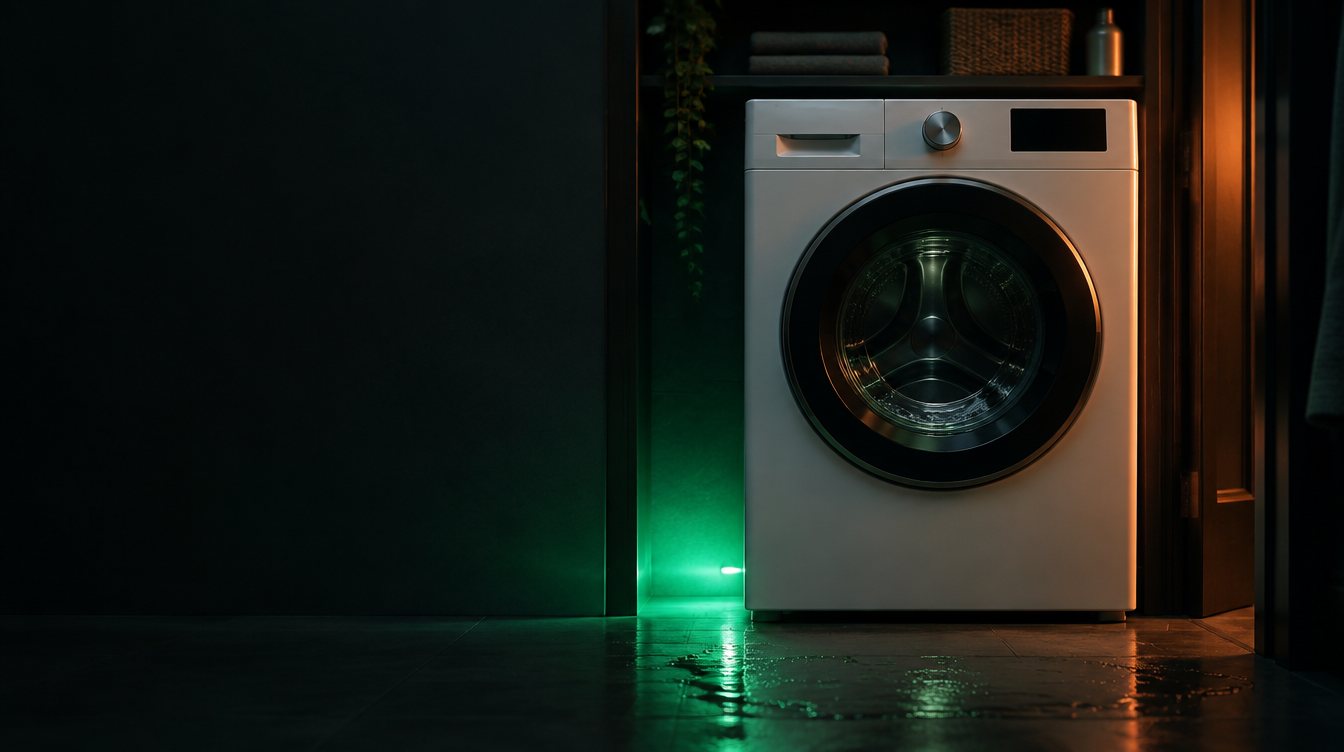 Washer repairWashers that will not drain are usually blocked at the pump filter or hose; washers that leak usually have too much detergent, a dirty door seal or a loose hose.
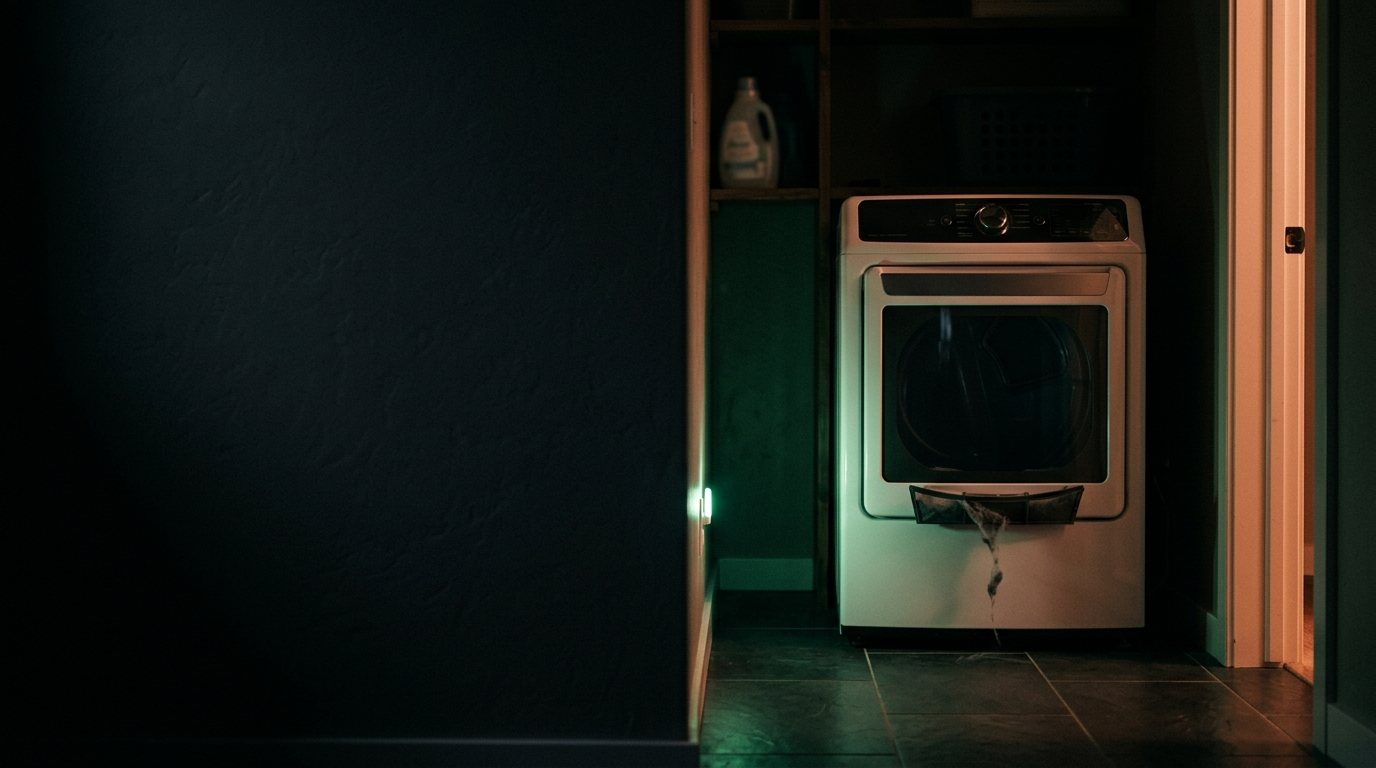 Dryer repairA dryer that turns but does not heat, takes several cycles, or smells hot usually has an airflow problem before it has a broken part.
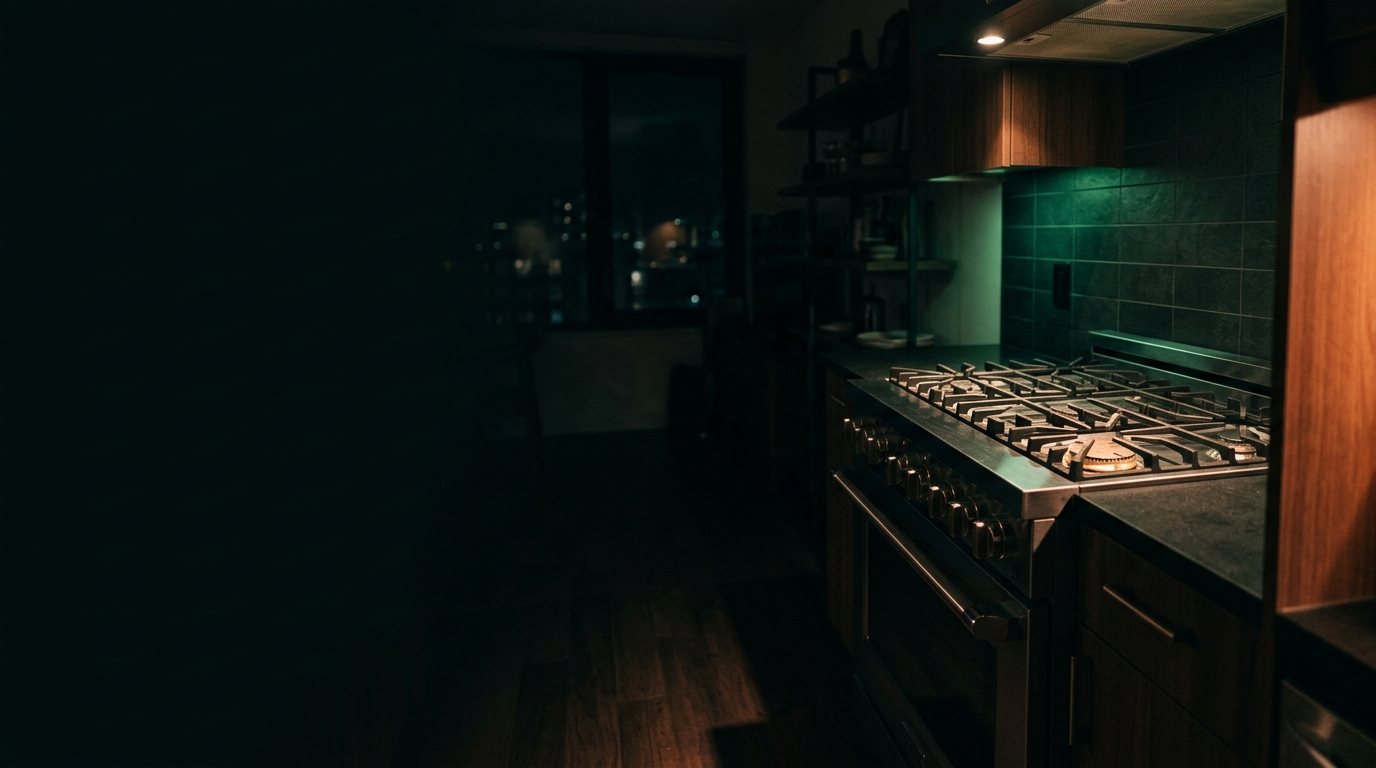 Range repairBurners that will not light, click constantly or glow unevenly are the usual range problems.
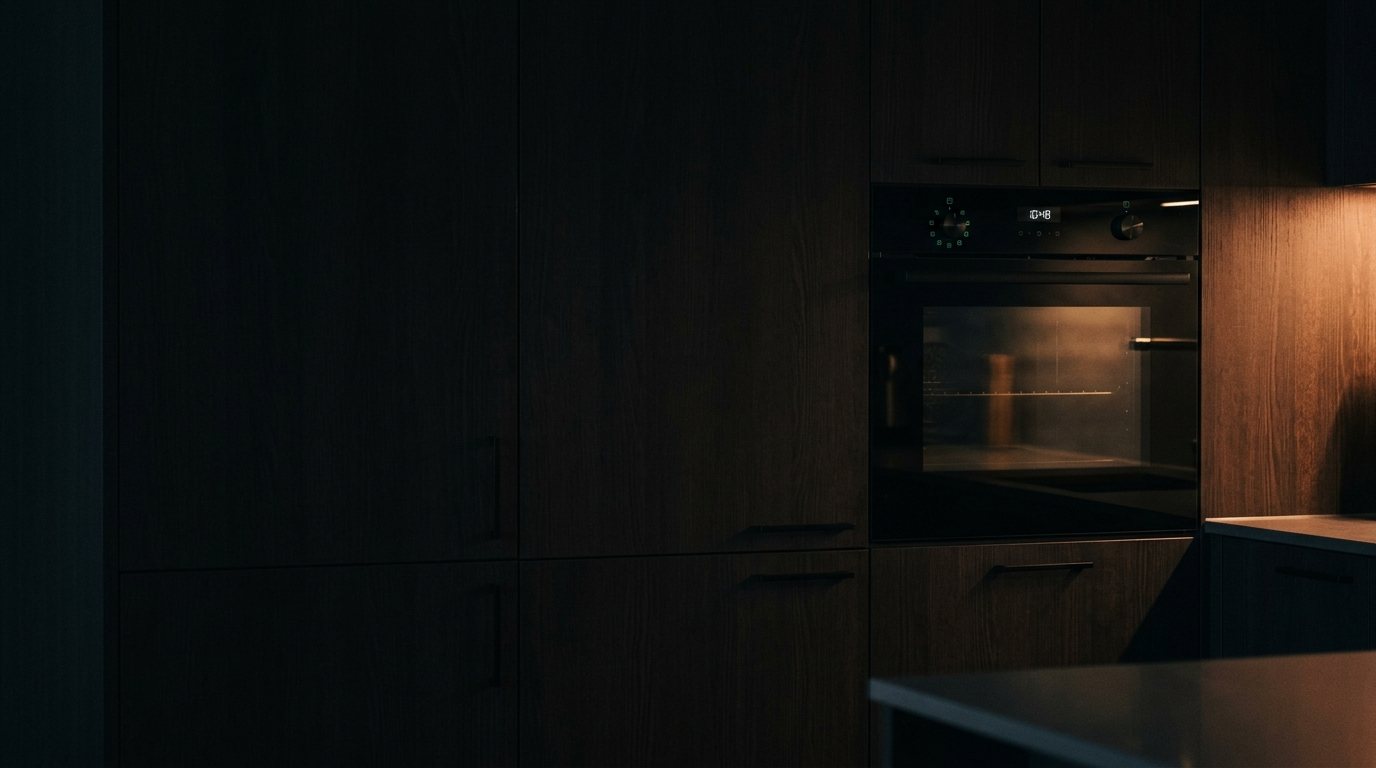 Oven repairOven problems split by fuel.
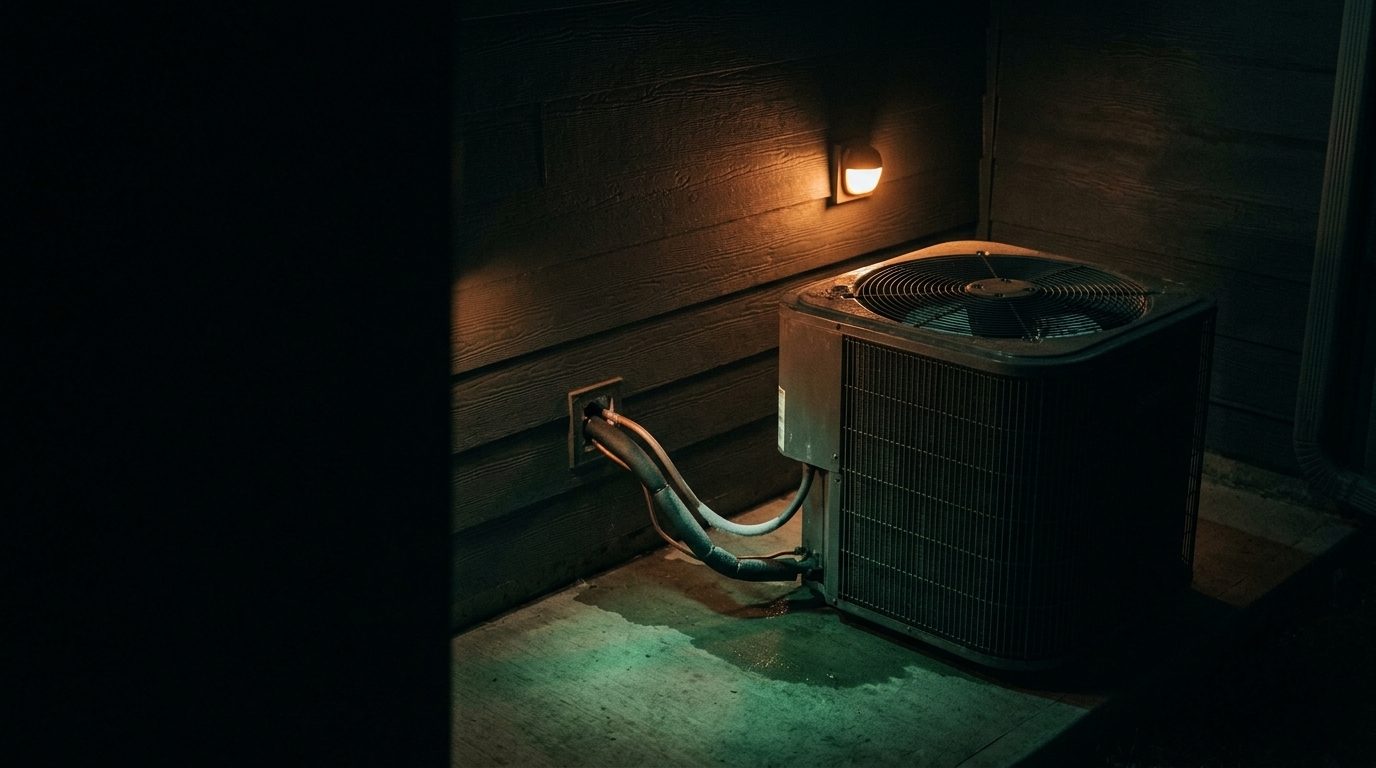 HVAC repairAir conditioners and heat pumps that will not start are usually being told not to — the thermostat, a breaker, the outdoor disconnect or a full condensate pan.
Problem guides
- Dishwasher not drainingStanding water after a cycle is almost always a blockage, not a broken dishwasher: a clogged filter, a kinked or low drain hose, or — on a new install — the garbage disposal’s knock-out plug that was never removed.
- Dryer not heatingIf the drum turns but the clothes stay cold, the cause is usually power or airflow before it is a part: an electric dryer needs two breakers and heats only if both are on, a gas dryer needs its gas valve open, and a clogged vent trips the safety that cuts the heat.
- Carbon monoxide detector beepingFour loud beeps, a pause, and four again is the alarm: carbon monoxide has been detected, so get everyone outside into fresh air and call 911.
- Frozen pipesIf a tap gives only a trickle or nothing on a very cold day, the pipe feeding it is probably frozen: open the tap, and warm the pipe gently from the tap back toward the frozen section with a hair dryer, a heating pad or warm towels — never an open flame.
- AC not turning onAn air conditioner that will not start at all is usually being told not to: the thermostat is off, on the wrong mode or has dead batteries, a breaker or the outdoor disconnect is off, or a full condensate pan has tripped the float switch that shuts the system down.
- No hot waterIf no tap in the house runs hot, the water heater has lost its heat source: on an electric heater, a tripped breaker or a tripped high-limit (ECO) switch; on a gas heater, a pilot or burner that has gone out or a closed gas valve.
- Low water pressure in the houseFirst decide whether it is one fixture or the whole house.
- Breaker keeps trippingA breaker trips to stop a circuit overheating: it is either carrying more than it is rated for (too many things plugged in), or there is a short circuit or ground fault somewhere in a device or the wiring.
- Water heater leakingWhere the water comes from decides everything.
- Washer not drainingA washer that ends with water in the drum is usually blocked, not broken: on a front loader the drain pump filter behind the small door at the bottom front catches coins, hair ties and lint and needs clearing; on any washer the drain hose can kink behind the machine, and the house standpipe or laundry-sink drain can be clogged.
- Dishwasher leaking from the bottomSuds on the floor mean the wrong soap: hand dish soap or laundry detergent in a dishwasher foams up and pushes out past the door.
- Furnace blowing cold airThe most common cause is the thermostat fan set to ON instead of AUTO, which runs the blower even when the burners are off.
- Washing machine leaking from the bottomStart with the easy causes: too much detergent (or detergent that is not HE) foams over, a dirty door seal on a front loader lets water past, and a drain filter cap not closed fully after cleaning drips at the front.
- Mold on the ceilingMold grows where there is moisture, so mold on a ceiling means water is getting there: a roof or flashing leak, a plumbing leak from the floor above, or condensation in a bathroom or a cold corner.
- Sewer smell in the houseA sewage or rotten-egg smell indoors is most often a drain trap that has dried out — in a guest bathroom, a basement floor drain or an unused shower — letting sewer gas past the water seal.
Every appliance, by brand
Not working, by brand
Related problems
Other appliances
By brand
Error codes
Refrigerator models
Start from a photo
A resident sent you this?
What a property manager should do when a resident reports water coming through the ceiling: the first message, how urgent, who to send.
Not sure which problem it is?
Snap a photo of it. The Triage Profile says what it is, how urgent it is, and who to call.