


GE Refrigerator: Not Working at All
Usually a failed start relay, a compressor fault, or a control-board failure. Add a photo of your GE Refrigerator in the box below: the Triage Profile says what it is, how urgent it is, and who to call.
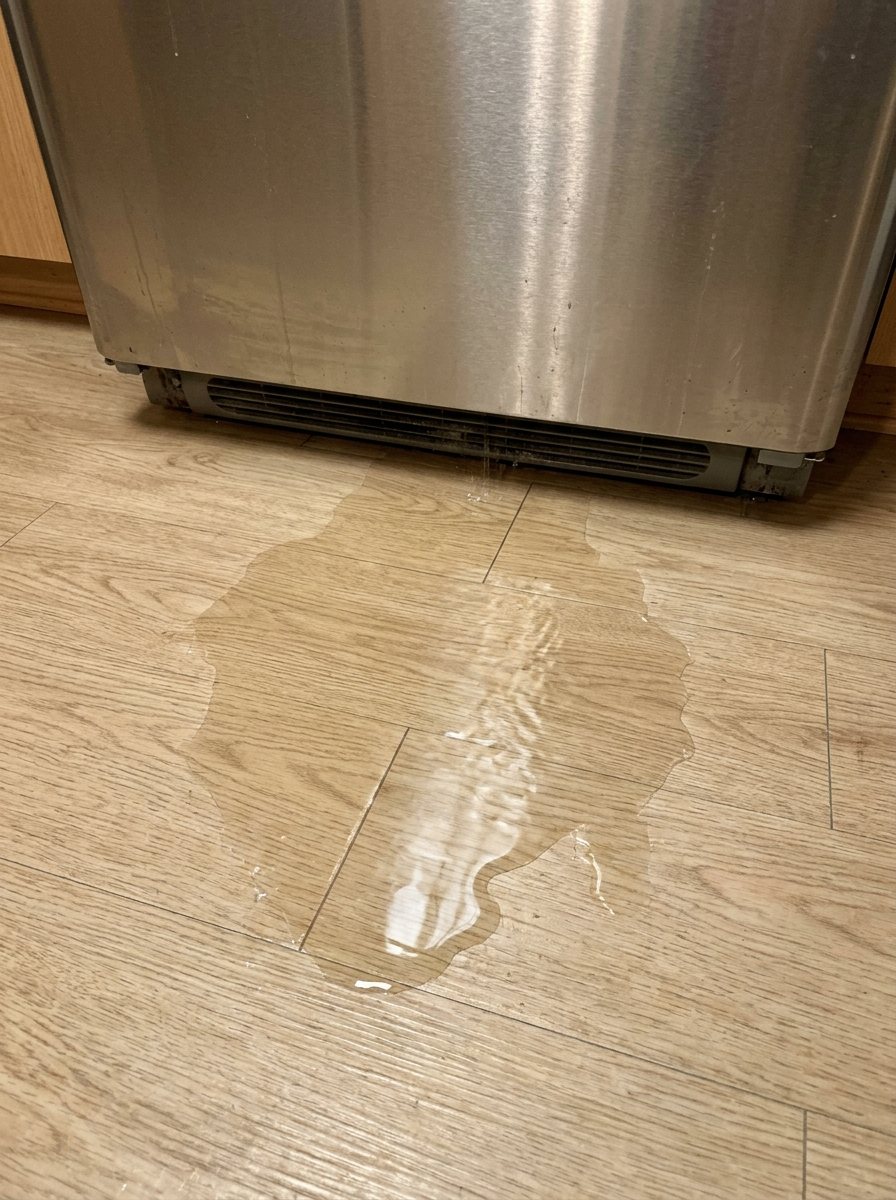
Show us the fridge.
Snap a photo — see what it is, how urgent, who to call. One photo of the problem. fixRAgent reads it and gives you a Triage Profile.
Or start with a sentence
AR Logic LLC · Privacy · Managing this for someone else? There is a version of this for whole portfolios. Managers: set it up for your buildings →
In the next five minutes
Safe first steps, before the call. Nothing here needs a tool.
Switch off the fridge’s breaker, and don’t touch the plug or cord.
Take a photo of the fridge and any code on the display, without opening anything.
Don’t use it again until it’s checked; keep the doors shut to hold the cold.
Everything else about this problem
Is it an emergency?
Is a GE refrigerator that isn't working an emergency?
Usually not, but it can be. Because this can be an emergency, leave it off and get it checked; don't reset it or turn it back on. Stop and call a pro if it smells like burning or trips the breaker again.
Symptoms & causes
When a GE refrigerator is 'not working at all,' it means there are no lights, no compressor hum, and no fan sounds, indicating a complete loss of power or a major component failure. The root cause often lies in the electrical supply, such as a tripped circuit breaker, a faulty outlet, or a damaged power cord. Internally, a completely dead refrigerator could point to a failed main control board, a defective compressor start relay, or even the compressor itself.
Tools & parts
A basic multimeter and a non-contact voltage tester are essential for checking electrical issues and verifying power. For potential part replacements, a GE refrigerator start relay or a main control board may be needed. Other tools might include screwdrivers and nut drivers for accessing internal components, and potentially a new thermistor if temperature sensing is suspected.
Safety first
Always unplug the GE refrigerator from the wall outlet before performing any inspection or repair to prevent electrical shock. Be aware of sharp edges and heavy components when moving the appliance or accessing internal parts. If dealing with refrigerant lines or the compressor, specialized training and tools are required due to high pressures and environmental hazards.
When to call a pro
A professional technician is required if the GE refrigerator's sealed system, including the compressor, evaporator, or condenser, is suspected of failure or refrigerant leaks. Complex tests involving multiple control boards, sensor arrays, or integrated electronic systems often necessitate specialized testing equipment and expertise. Any issue requiring the replacement of the compressor itself or recharging the refrigerant system should only be handled by a certified appliance repair technician.
Questions people ask
What if the outlet has power but the GE fridge doesn't?
If the outlet is confirmed to have power, check the refrigerator's power cord for any visible damage or kinks. The issue could then be internal, such as a faulty main control board or a tripped internal thermal fuse that needs professional assessment.
Can a power surge cause this complete failure?
Yes, a significant power surge can damage sensitive electronic components like the main control board or the compressor start relay in a GE refrigerator. This often results in a complete loss of power or functionality, requiring component replacement.
How do I know if it's the compressor that's failed?
If you hear no hum, feel no vibration from the back of the unit, and the condenser fan isn't running, the compressor or its starting components might be faulty. A multimeter can be used to test the start relay and the compressor windings for continuity, but compressor replacement is a job for a professional.
Related problems
More GE refrigerator problems
Check another symptom for your GE Refrigerator.
Not working: other brands
Guides and hubs
A resident sent you this?
fixRAgent reads resident photos for whole portfolios: what it is, how urgent, who to send, what to tell them.
Set it up for your buildings →Ask AI about this problem
What it is, how urgent, who to call
Add a photo of your GE Refrigerator in the box at the top. The Triage Profile says what it is, how urgent it is, and who to call.