

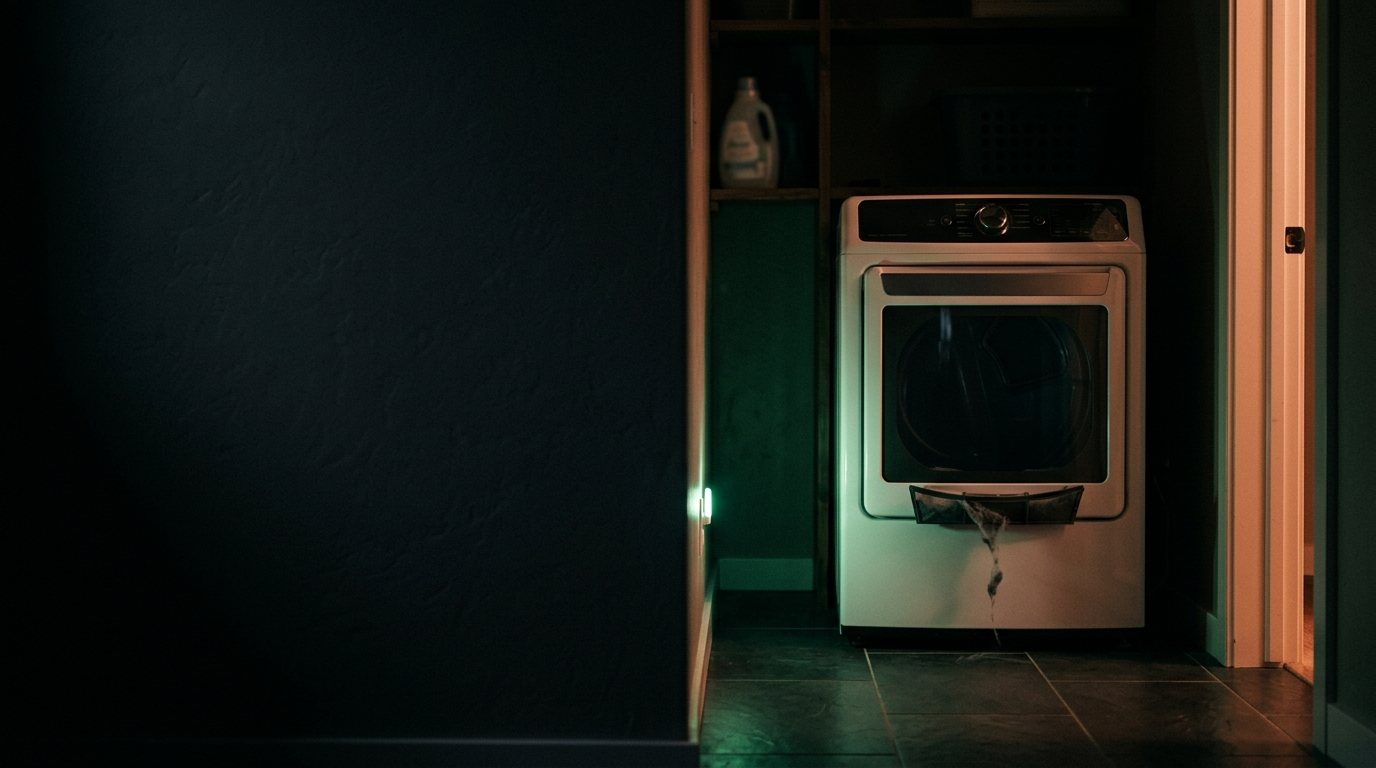
Thermador Dryer: Making Loud Noise
Often worn drum rollers, a failing idler pulley, or a worn rear drum bearing. Add a photo of your Thermador Dryer in the box below: the Triage Profile says what it is, how urgent it is, and who to call.
Show us the dryer.
Snap a photo — see what it is, how urgent, who to call. One photo of the problem. fixRAgent reads it and gives you a Triage Profile.
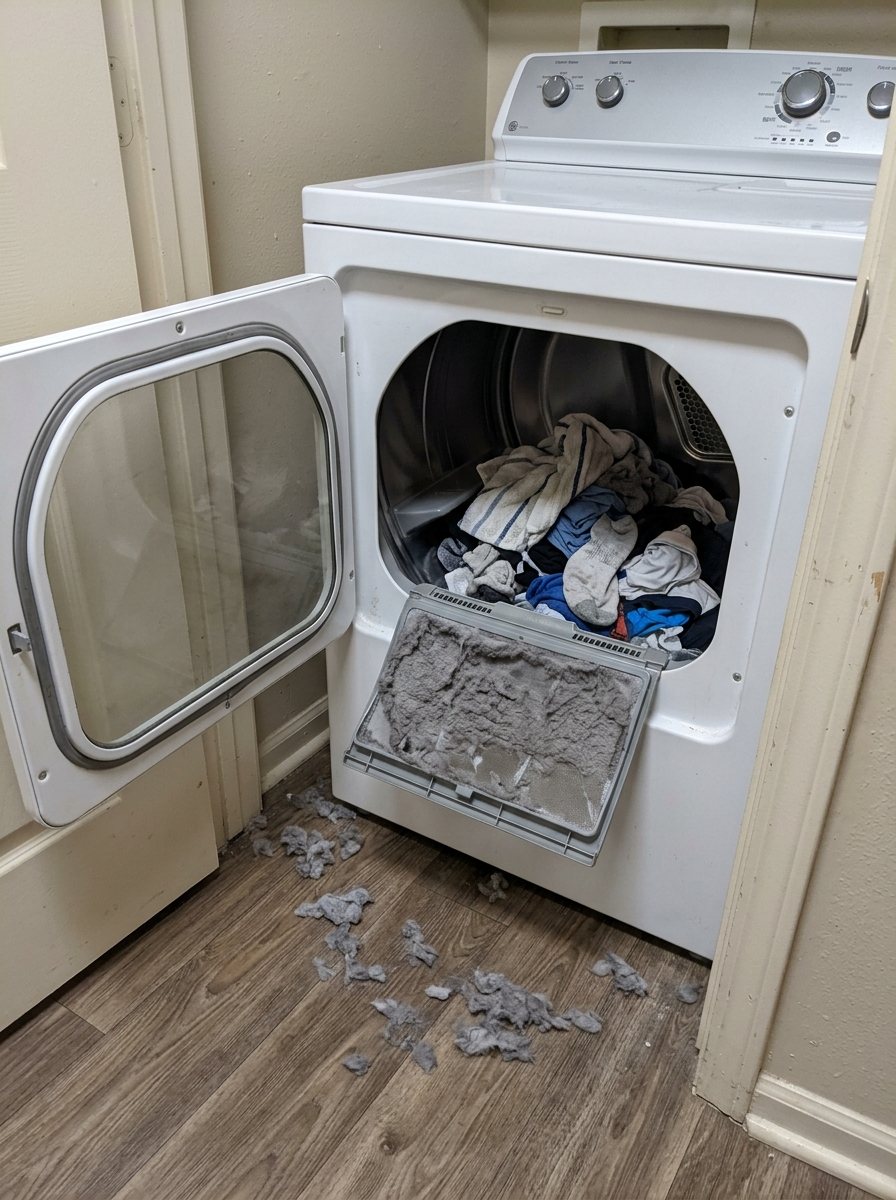
Or start with a sentence
AR Logic LLC · Privacy · Managing this for someone else? There is a version of this for whole portfolios. Managers: set it up for your buildings →
In the next five minutes
Safe first steps, before the call. Nothing here needs a tool.
If you smell gas: don’t touch any switch or plug, leave, then call the gas company or 911 from outside.
No gas smell? Note what the noise sounds like and when it happens, then stop the dryer and switch off its breaker, or unplug it if the plug is dry and you can reach it without moving the dryer.
Take a photo of the dryer and any code on the display, without opening anything.
Everything else about this problem
Is it an emergency?
Is a loud noise from a Thermador dryer an emergency?
Usually not an emergency. A grinding, rattling or humming that has just started most often comes from a fan, motor, belt or loose panel. Stop using it and cut the power if the noise comes with a burning smell, smoke or sparks; if it runs on gas and you smell gas, leave and call the gas company or 911 from outside.
Symptoms & causes
Loud grinding, squealing, or thumping noises during operation are common indicators of worn internal components in a Thermador dryer. These sounds often point to issues with the drum rollers, idler pulley, or the drive motor bearings, which can degrade over time due to friction and heat. A high-pitched squeal typically suggests a failing idler pulley or motor bearing, while a thumping or grinding noise often indicates worn drum rollers or a foreign object caught in the blower wheel.
Tools & parts
You will need a basic screwdriver set (Phillips and flathead), a nut driver set (typically 1/4" and 5/16"), and possibly needle-nose pliers for this repair. Replacement parts like Thermador drum rollers, an idler pulley, or a drive belt might be necessary. A multimeter can be useful for checking electrical components, though often not strictly required for mechanical noise issues.
Safety first
Always disconnect the Thermador dryer from its power source by unplugging it from the wall outlet or shutting off the dedicated circuit breaker before beginning any inspection or repair. Failure to de-energize the appliance can result in severe electrical shock or injury from moving parts. Additionally, ensure the dryer has cooled down completely if it was recently in use, as internal components can retain significant heat.
When to call a pro
If the loud noise persists after replacing common wear parts like drum rollers and the idler pulley, or if the dryer fails to tumble, the drive motor itself might be failing, requiring professional replacement. A complex electrical fault causing the motor to strain or seize, or a seized blower motor, are also issues best handled by a certified Thermador technician due to specialized testing tools and safety considerations. Furthermore, if the noise is accompanied by a burning smell or smoke, immediately cease operation and contact a professional, as this indicates a serious electrical or mechanical failure.
Questions people ask
Why is my Thermador dryer making a loud thumping noise?
A loud thumping noise in your Thermador dryer often indicates worn or flat spots on the drum rollers, which support the dryer drum. It could also be caused by a foreign object caught between the drum and the housing.
Can a worn drive belt cause loud noises in my Thermador dryer?
While a worn drive belt typically causes the drum to stop turning or slip, it can sometimes produce a squealing or flapping noise if it's frayed or misaligned. Inspect the belt for any signs of wear or damage.
How do I know if the idler pulley is the source of the noise?
A failing idler pulley usually produces a high-pitched squealing or chirping sound, especially when the dryer starts or stops. You can often confirm this by manually spinning the pulley after removing the belt; a noisy or stiff pulley indicates it needs replacement.
Related problems
More Thermador dryer problems
Check another symptom for your Thermador Dryer.
Making a loud noise: other brands
A resident sent you this?
fixRAgent reads resident photos for whole portfolios: what it is, how urgent, who to send, what to tell them.
Set it up for your buildings →Ask AI about this problem
What it is, how urgent, who to call
Add a photo of your Thermador Dryer in the box at the top. The Triage Profile says what it is, how urgent it is, and who to call.