

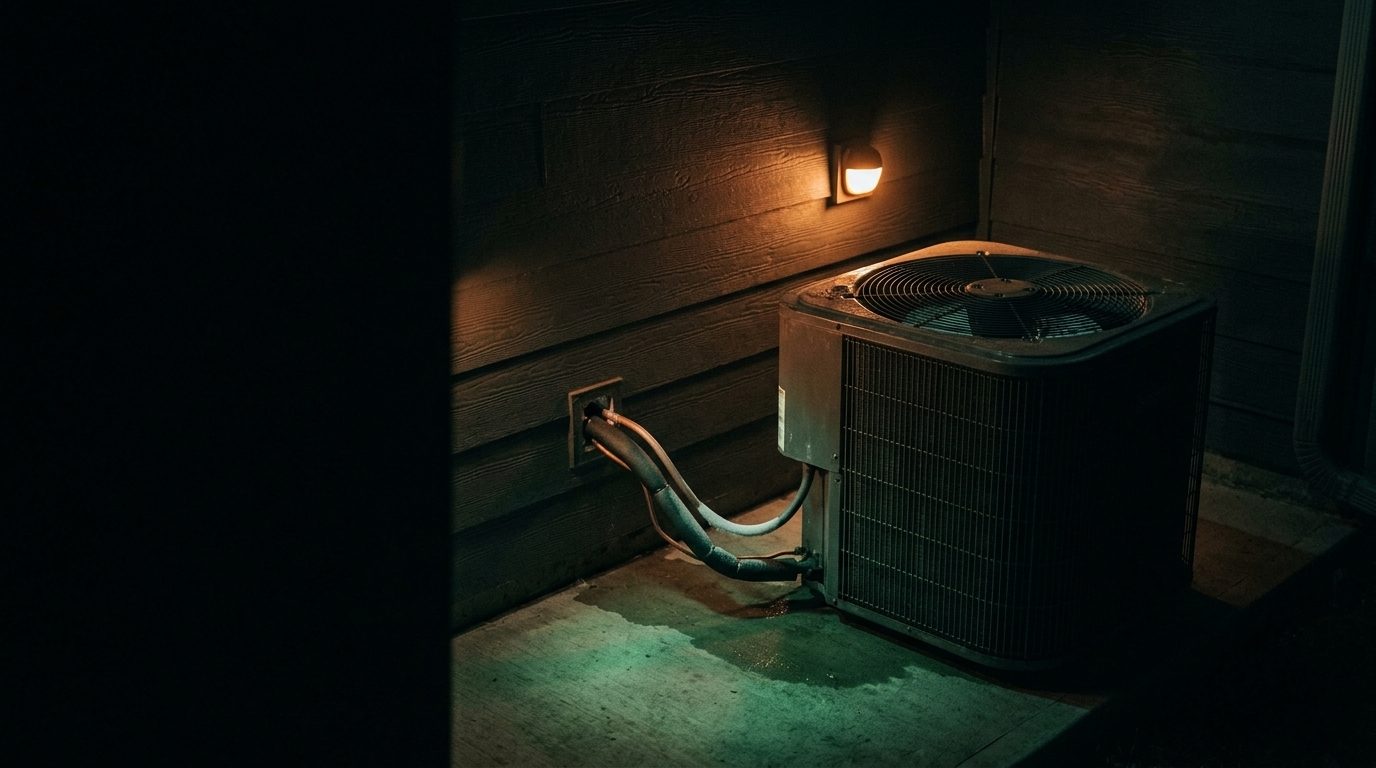
GE HVAC: Smells Like Burning
A burning smell can mean an overheating motor, an electrical fault, or dust burn-off — shut it down if it persists. Add a photo of your GE HVAC in the box below: the Triage Profile says what it is, how urgent it is, and who to call.
Show us the system.
Snap a photo — see what it is, how urgent, who to call. One photo of the problem. fixRAgent reads it and gives you a Triage Profile.
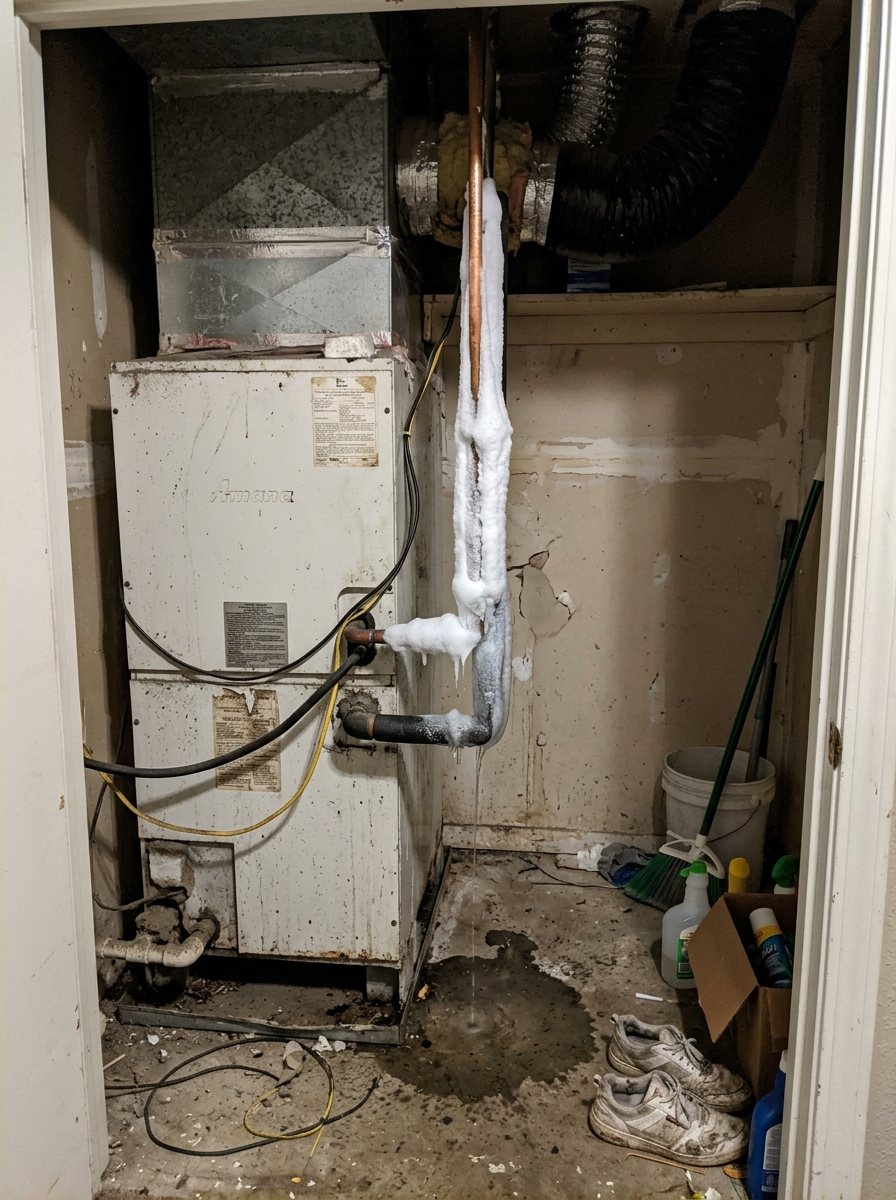
Or start with a sentence
AR Logic LLC · Privacy · Managing this for someone else? There is a version of this for whole portfolios. Managers: set it up for your buildings →
In the next five minutes
Safe first steps, before the call. Nothing here needs a tool.
If you smell gas: don’t touch any switch or plug, leave, then call the gas company or 911 from outside.
Smoke or flames: get everyone out and call 911.
No gas smell, smoke or flames? Switch the system off at the thermostat and at its breaker.
Everything else about this problem
Is it an emergency?
Is a burning smell from a GE HVAC system an emergency?
Treat it as urgent. Turn it off and switch off its breaker, and do not use it again until the cause is found. If you see smoke or flames, or smell gas, get everyone out and call 911.
Symptoms & causes
The smell is often described as burning plastic, rubber, or electrical, indicating an overheating component within your GE HVAC system. Common root causes include a failing blower motor, a seized fan bearing, an overheated capacitor, or a slipping drive belt. Dust accumulation on heating elements or a clogged air filter can also cause a burning odor as particles incinerate.
Tools & parts
You will need a multimeter to test electrical components like the capacitor and motor windings for proper resistance and voltage. A new GE-compatible blower motor capacitor might be required if the existing one is bulging or tests faulty. Basic hand tools such as screwdrivers, wrenches, and possibly a new blower belt if yours is worn or cracked will also be essential.
Safety first
Immediately shut off power to your GE HVAC system at both the thermostat and the main electrical breaker to prevent further damage or fire. Always assume electrical components are live until verified with a multimeter, as contact with high voltage can cause severe injury or electrocution. Be aware of hot surfaces inside the unit, especially near the furnace or heating elements, and allow ample time for cooling before touching any parts.
When to call a pro
If the burning smell persists after basic checks or if you suspect a compressor failure, refrigerant leak, or a faulty control board, professional testing is crucial. Issues involving high-voltage wiring beyond simple connections, such as burnt contactors or relays, require an experienced GE-certified technician to ensure safe repair. Complex system tests, including refrigerant pressure checks or replacement of sealed system components, should always be handled by a licensed HVAC professional.
Questions people ask
Why does my GE HVAC smell like burning plastic specifically?
This often points to an overheated electrical component, such as a failing motor winding or a capacitor that is shorting out. It could also be plastic insulation melting due to excessive heat.
Is it safe to continue running my GE HVAC if it smells like burning?
No, it is not safe. A burning smell indicates a serious issue that could lead to electrical fire or permanent system damage, so shut it down immediately.
Can a dirty filter cause a burning smell in my GE HVAC?
Yes, a severely clogged air filter can restrict airflow, causing the heating elements or motor to overheat and burn accumulated dust or debris. This often produces a dusty, burning odor.
Related problems
More GE HVAC system problems
Check another symptom for your GE HVAC.
Smells like burning: other brands
Guides and hubs
A resident sent you this?
What a property manager should do when a resident reports AC not cooling: the first message, how urgent, who to send.
The manager’s checklist →Ask AI about this problem
What it is, how urgent, who to call
Add a photo of your GE HVAC in the box at the top. The Triage Profile says what it is, how urgent it is, and who to call.