

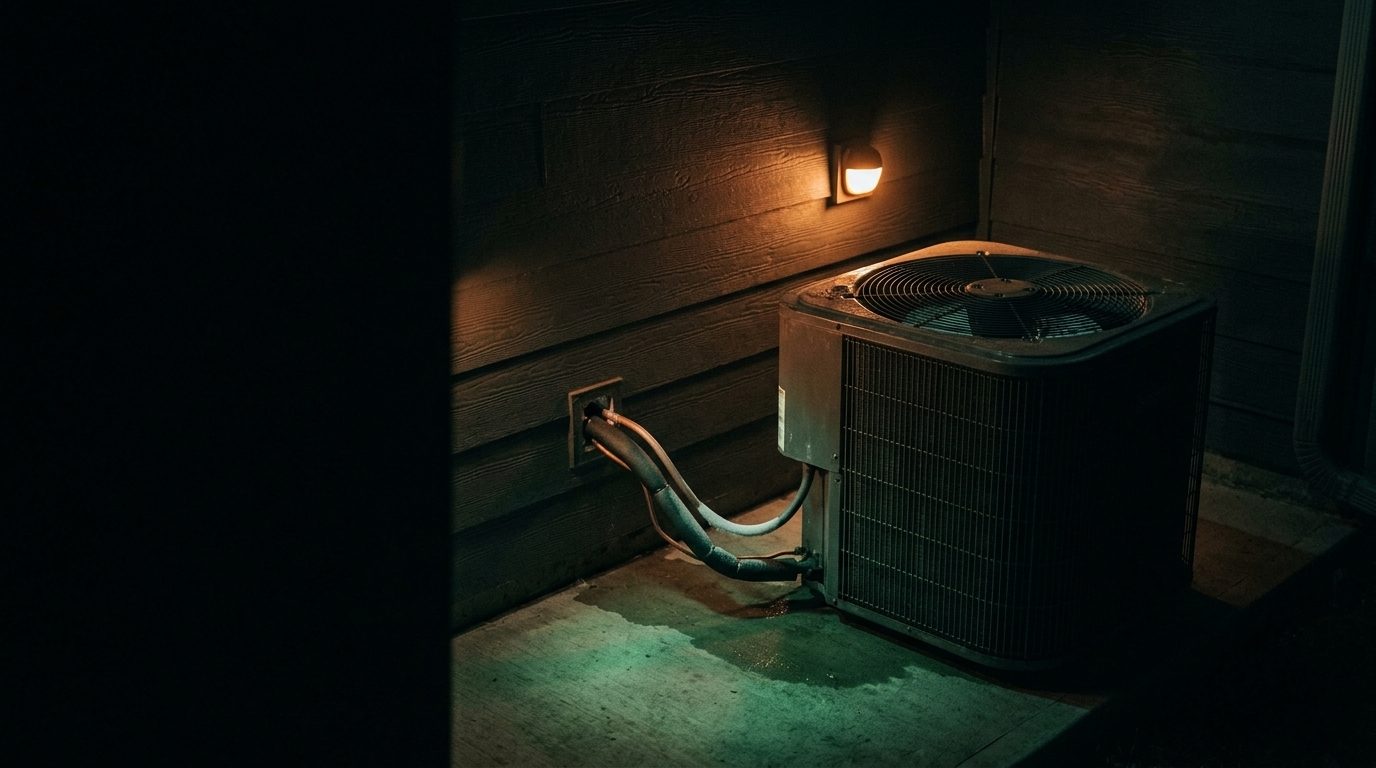
GE HVAC: Making Loud Noise
Often a failing blower or condenser-fan motor, a worn belt, or a struggling compressor. Add a photo of your GE HVAC in the box below: the Triage Profile says what it is, how urgent it is, and who to call.
Show us the system.
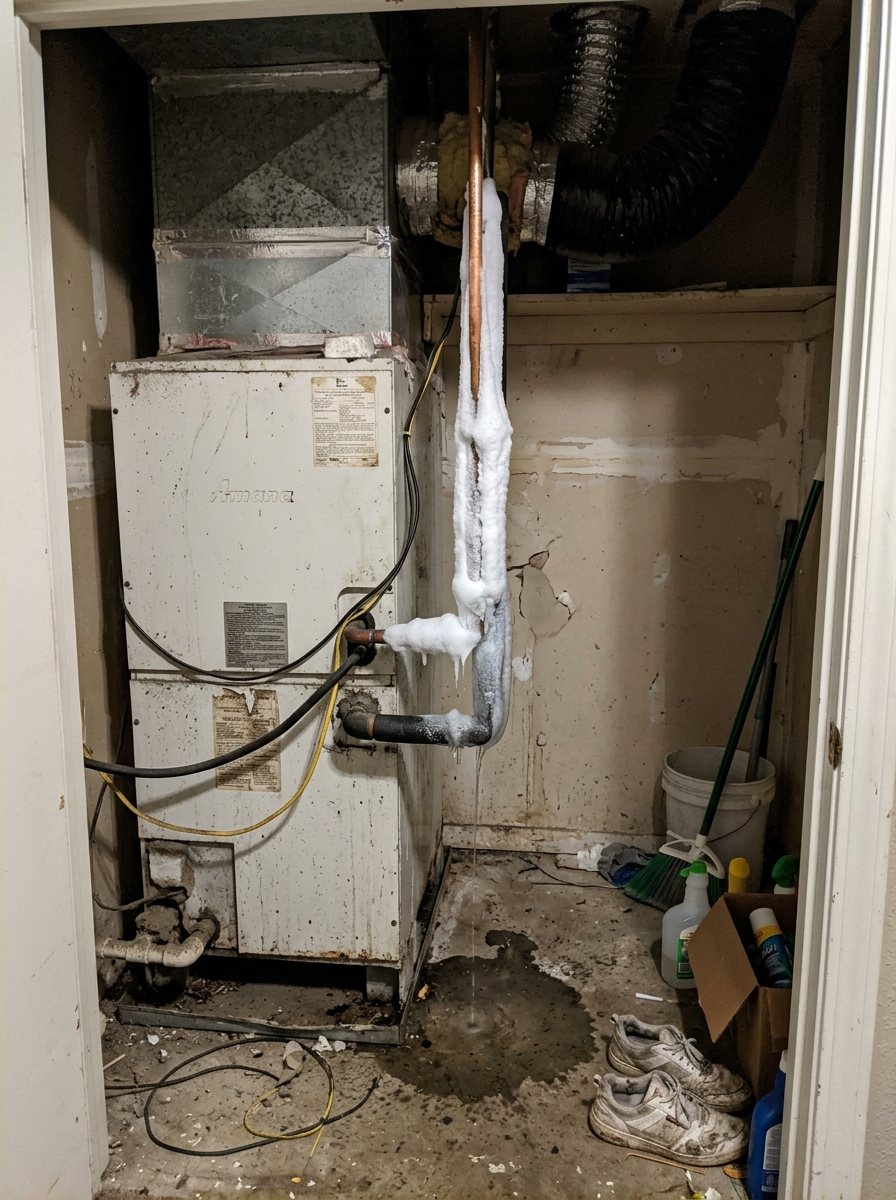
Snap a photo — see what it is, how urgent, who to call. One photo of the problem. fixRAgent reads it and gives you a Triage Profile.
Or start with a sentence
AR Logic LLC · Privacy · Managing this for someone else? There is a version of this for whole portfolios. Managers: set it up for your buildings →
In the next five minutes
Safe first steps, before the call. Nothing here needs a tool.
Note what the noise sounds like and when it happens, then switch the system off at the thermostat and at its breaker.
Take a photo of the unit and the thermostat, without opening anything.
Don’t use it again until it’s checked, and keep people away from it.
Everything else about this problem
Is it an emergency?
Is a loud noise from a GE HVAC system an emergency?
Usually not, but it can be. A grinding, rattling or humming that has just started most often comes from a fan, motor, belt or loose panel. Stop using it and cut the power if the noise comes with a burning smell, smoke or sparks; if it runs on gas and you smell gas, leave and call the gas company or 911 from outside.
Symptoms & causes
Loud noises in a GE HVAC system often indicate a failing component, such as a worn blower motor bearing producing a squealing or grinding sound, or a loose fan blade causing a rattling or thumping. A buzzing noise might point to a failing capacitor or a contactor issue, while a high-pitched whine could be a refrigerant line vibration or a restricted air filter forcing the fan to work harder. These sounds are usually a precursor to a complete system breakdown and should be addressed promptly to prevent further damage to the GE unit.
Tools & parts
For checking GE HVAC noises, you'll likely need a multimeter to test electrical components like capacitors and contactors, and a set of basic screwdrivers for accessing panels. A replacement GE blower motor capacitor or a new GE fan motor might be necessary, depending on the specific noise and its origin. Lubricating oil for motor bearings or a new GE fan blade could also be required for simpler fixes.
Safety first
Always ensure the GE HVAC system's power is completely shut off at both the thermostat and the main electrical breaker before attempting any inspection or repair to prevent electrical shock. Be cautious of sharp edges inside the unit and wear appropriate gloves to protect your hands from cuts, especially when working near sheet metal components. Refrigerant lines are under high pressure and contain chemicals; never attempt to disconnect or repair these lines yourself, as this can cause severe injury and environmental damage.
When to call a pro
If the loud noise is accompanied by a burning smell or immediate loss of cooling/heating, it often indicates a catastrophic compressor failure or a severely shorted electrical component, requiring a certified GE technician. Persistent grinding or squealing from the outdoor unit's fan motor, even after basic inspection, suggests a failing sealed bearing that necessitates specialized tools and expertise for replacement. Any issues involving refrigerant leaks, such as a hissing sound combined with poor performance, must be handled by a professional due to the need for proper recovery, repair, and recharging procedures.
Questions people ask
Why is my GE HVAC making a loud buzzing noise?
A buzzing noise often indicates an electrical issue, such as a failing capacitor for the fan motor or a faulty contactor in the outdoor unit. These components can wear out over time and prevent proper power delivery.
Can a dirty filter cause loud noises in my GE HVAC?
Yes, a severely clogged air filter can restrict airflow, causing the blower motor to work harder and potentially produce a loud whistling or whining sound. Regularly replacing your GE filter can prevent this strain.
What if the noise is coming from the outdoor unit of my GE HVAC?
Noises from the outdoor unit, like rattling or grinding, often point to issues with the condenser fan motor, its blades, or the compressor itself. Inspect the fan for obstructions and check for loose components.
Related problems
More GE HVAC system problems
Check another symptom for your GE HVAC.
Making a loud noise: other brands
Guides and hubs
A resident sent you this?
What a property manager should do when a resident reports AC not cooling: the first message, how urgent, who to send.
The manager’s checklist →Ask AI about this problem

What it is, how urgent, who to call
Add a photo of your GE HVAC in the box at the top. The Triage Profile says what it is, how urgent it is, and who to call.