



Tenant Reports a Clogged Drain or Toilet: Who Pays and What to Do
TODAY if several fixtures back up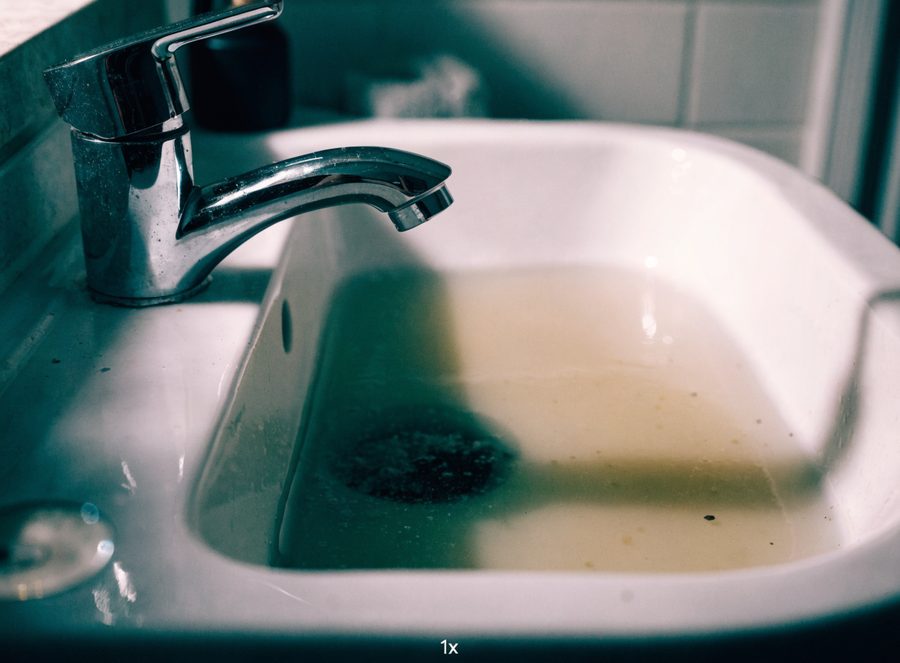 fixRAgentNew photo from a resident
One slow drain or one clogged toilet is usually a local clog the resident can plunge.
Several fixtures backing up at once —
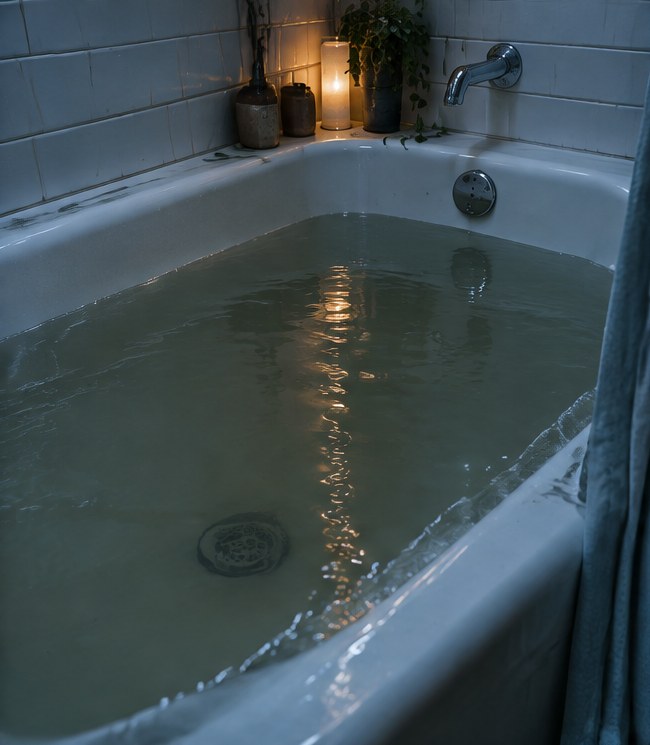 water rising in a tub when the toilet flushes,
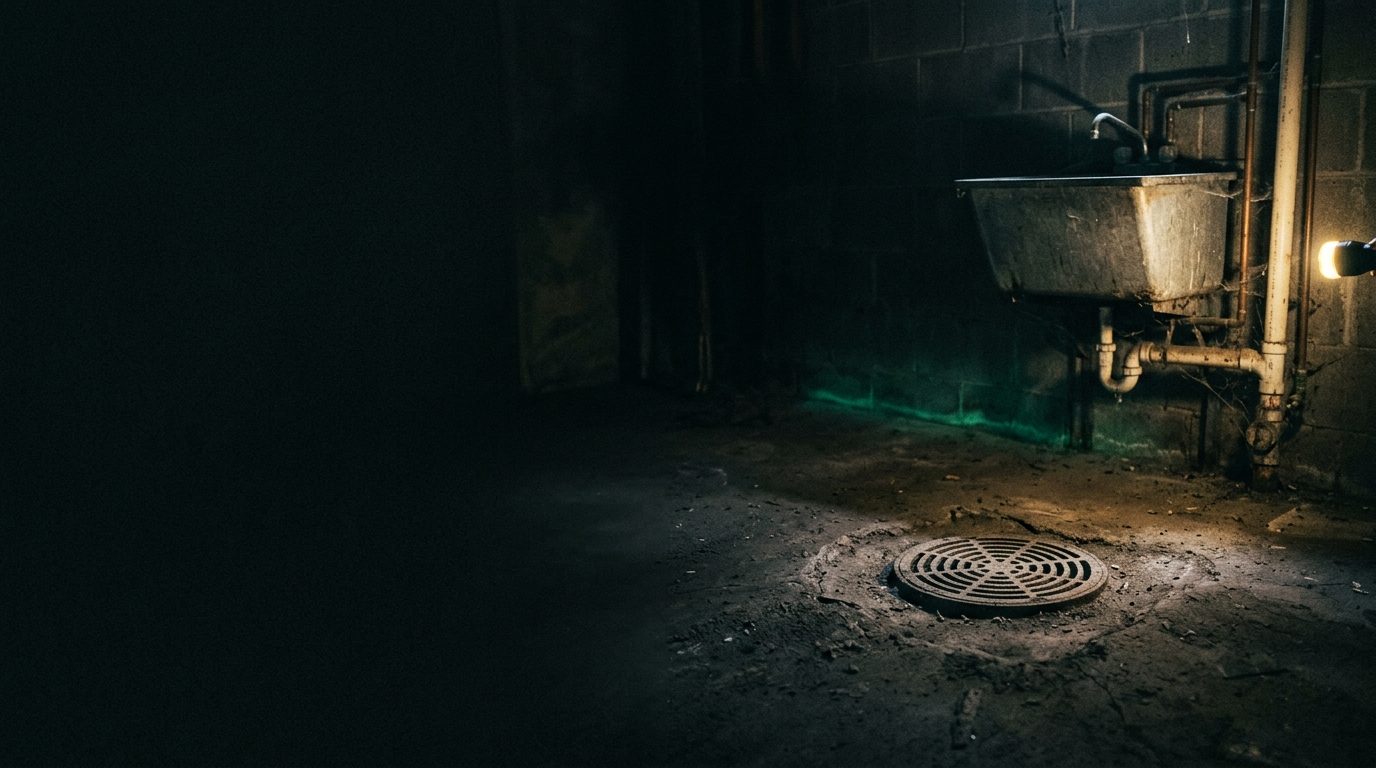 or sewage in a floor drain —
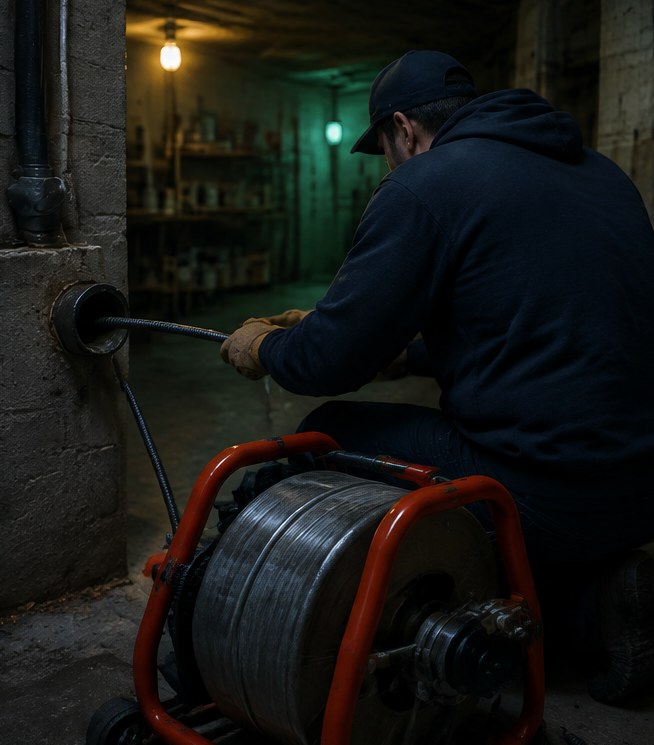
is a main-line blockage and the same day at least: ask the resident to stop using water in the whole unit and send a plumber with a drain machine.
Your First Message to the Resident
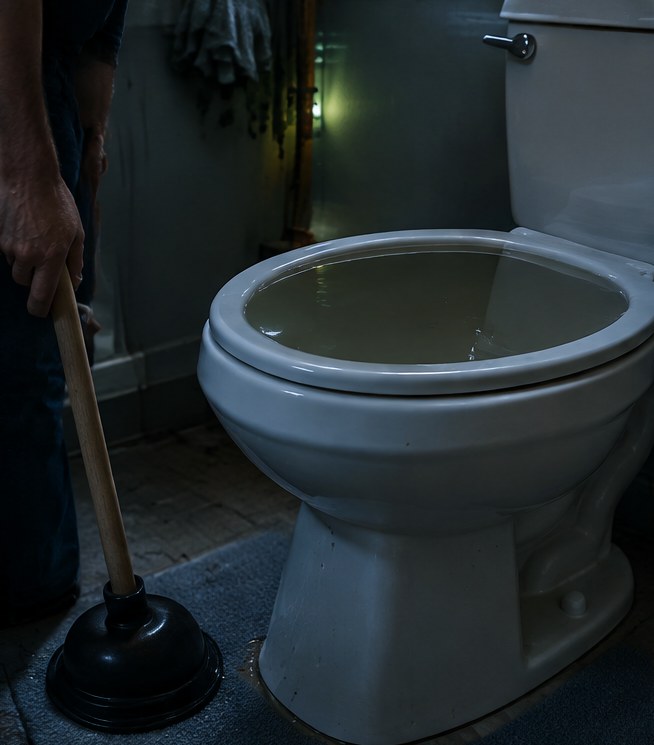
Stop flushing and stop running water in that fixture.
Is it one fixture or several? Ask whether the tub or floor drain rises when the toilet flushes or the washer drains.
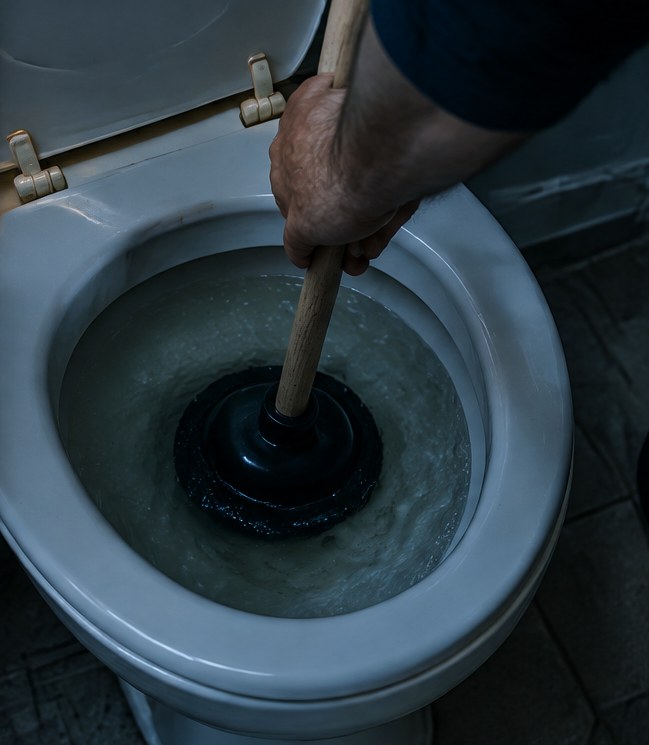
A single toilet: a flange plunger, not chemicals. A single sink: plunger or clearing the trap.
Sewage anywhere: keep people and pets away, no bare-hand cleanup.
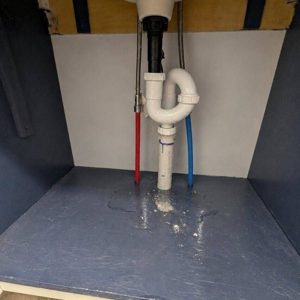
One photo of the fixture and any water on the floor.
How Urgent Is It?
-
WHENEVER
One Fixture, Plunging Clears It
WHENEVER — log it; repeated clogs on the same toilet point at the toilet or the line.
-
TODAY
Several Fixtures, or Backs Up Into a Tub or Floor Drain
Main-line blockage: plumber with a drain machine today; camera the line if it repeats.
-
Sewage on the Floor
Plumber now, and a professional cleanup: EPA advises calling in a professional when the damage comes from sewage or other contaminated water [1].
Who to Send
Who Pays: Landlord or Tenant?
It depends on what caused the clog. Fix it first, then sort out the bill.
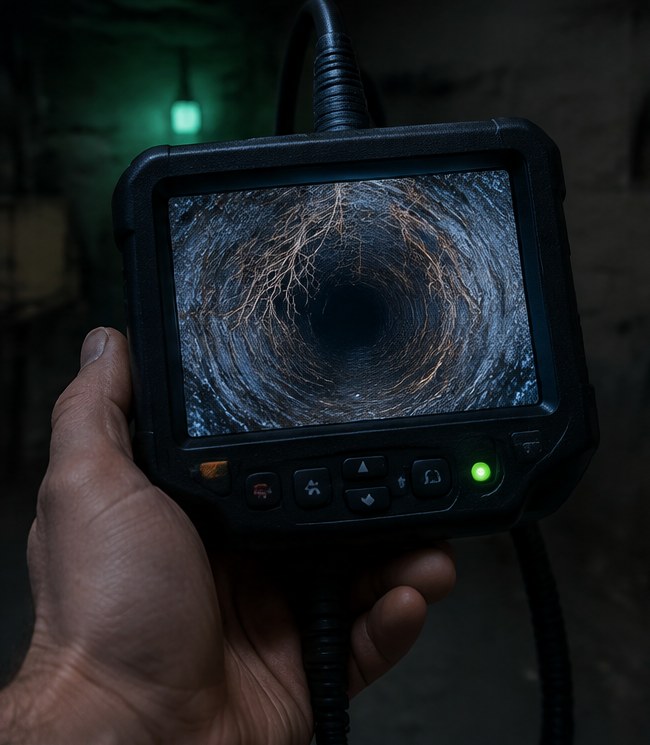
Roots, a broken or sagging line, old pipe, a worn-out fixture: usually the landlord. Keeping the plumbing in working order is the landlord's job under state law [2] [3].
Wipes, grease, toys or other things flushed in one unit: often the tenant, if the lease says so. Tenants must use plumbing properly [4] [5], and Texas lets a lease put these clogs on the tenant when the line serves only their unit [6].
Not sure yet: ask the plumber to write down what came out of the line, with a photo or camera video. That record is what settles it.
Rules differ by state, city and lease. This is a starting point, not legal advice.
What to Say to the Resident
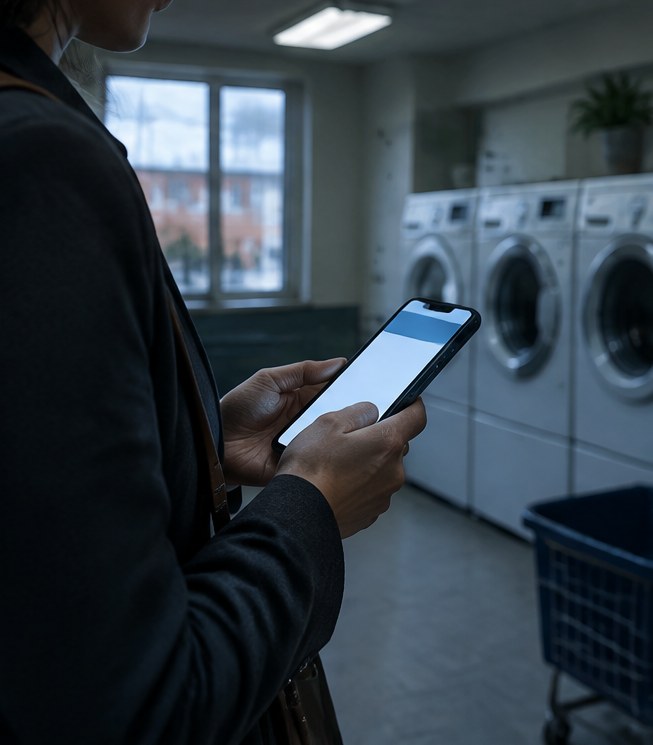
“Thanks for letting me know. Please don’t use the water in the unit for now, so nothing backs up further. It can’t wait long, and it’s with the maintenance team now.”
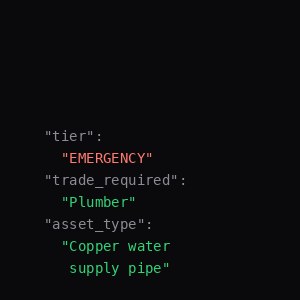
The Triage Profile writes this line for every photo, matched to how urgent it is.
What to Record
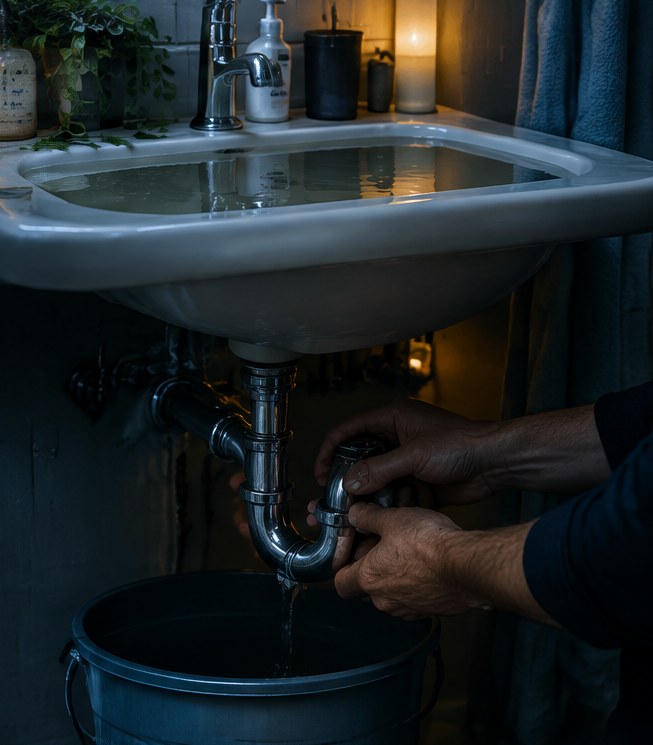
Which fixtures backed up and when.
What the plumber found in the line (roots, grease, wipes) — it decides who pays and what to do next.
Next Time
Tell residents in the lease packet what not to flush; camera-inspect older lines on a schedule.
Sources
- US EPA — A brief guide to mold, moisture and your home
- Ohio Revised Code 5321.04 — Landlord obligations: plumbing kept in good and safe working order
- California Civil Code 1941.1 — Plumbing maintained in good working order
- Ohio Revised Code 5321.05 — Tenant obligations: use plumbing fixtures properly
- California Civil Code 1941.2 — Tenant must properly use plumbing fixtures
- Texas Property Code 92.006(f) — A lease may make the tenant pay for stoppages from improper objects; roots and breakage stay the landlord’s
Updated 8 Nov 2026 · AR Logic LLC

Got the Resident’s Photo?
Drop it here. The Triage Profile says what it is, how urgent it is, who to send, and what to tell the resident.