

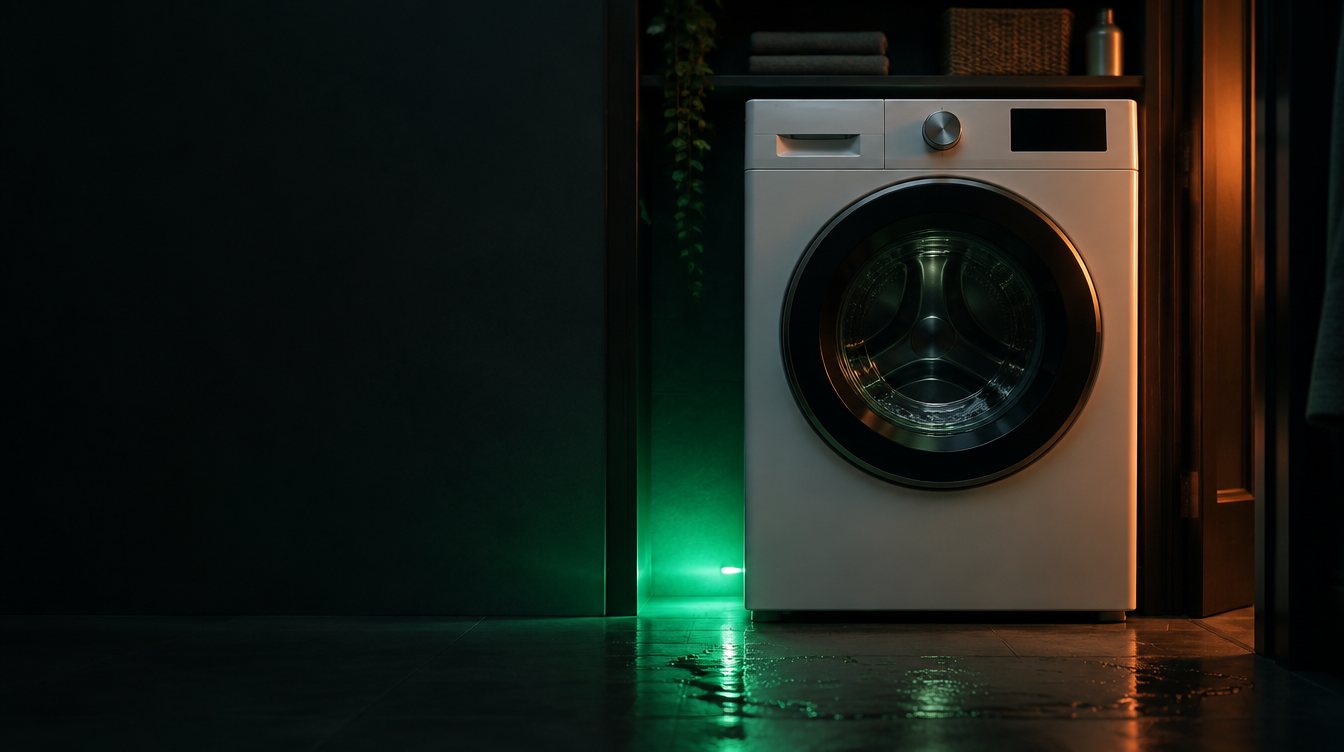
GE Washer: Won't Start or Turn On
Commonly a lid-switch or door-lock fault, a broken start switch, or a control-board issue. Add a photo of your GE Washer in the box below: the Triage Profile says what it is, how urgent it is, and who to call.
Show us the washer.
Snap a photo — see what it is, how urgent, who to call. One photo of the problem. fixRAgent reads it and gives you a Triage Profile.
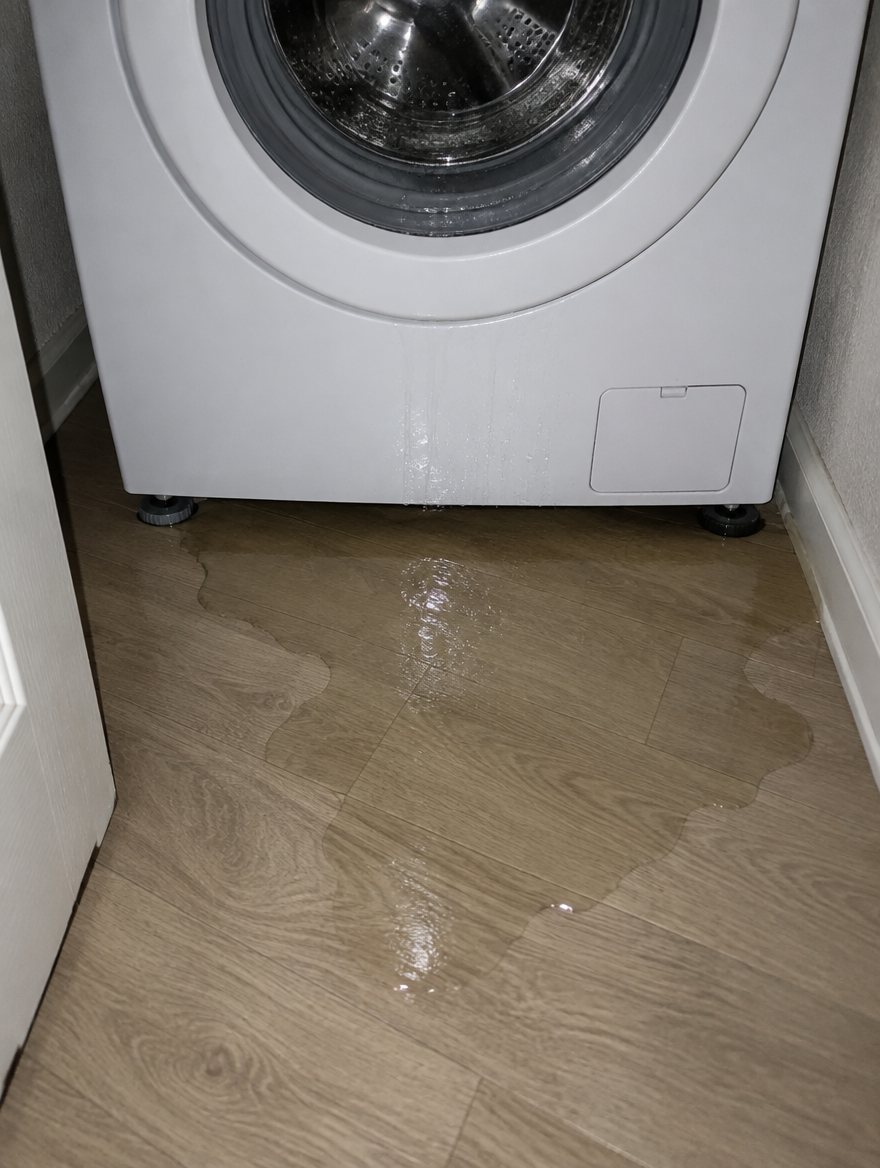
Or start with a sentence
AR Logic LLC · Privacy · Managing this for someone else? There is a version of this for whole portfolios. Managers: set it up for your buildings →
In the next five minutes
Safe first steps, before the call. Nothing here needs a tool.
Stop the washer and switch off its breaker, or unplug it if the plug is dry and you can reach it without moving the washer.
Take a photo of the washer and any code on the display, without opening anything.
If you can read its label without moving it, note the brand and model number for the call.
Everything else about this problem
Is it an emergency?
Is a GE washer that won't start an emergency?
Rarely an emergency. Check the plug, the breaker and any GFCI outlet, and that the door is fully closed and the control lock is off. Stop and call a pro if it keeps tripping the breaker or smells like burning.
Symptoms & causes
Your GE washer is completely unresponsive, showing no lights, sounds, or attempts to start a cycle, which often points to a power supply issue. Alternatively, it might attempt to start but immediately stops, or fills with water but fails to agitate or spin. Common root causes include a tripped circuit breaker, a faulty lid switch, or a malfunctioning main control board.
Tools & parts
A basic multimeter is essential for checking voltage and continuity in various components like the outlet or lid switch. A standard screwdriver set (Phillips and flathead) will be needed to access the washer's internal panels and components. Pliers, including needle-nose and standard types are useful for disconnecting wires and hoses.
Safety first
Always ensure the GE washer is completely unplugged from its electrical outlet before attempting any inspection or repair to prevent severe electrical shock. Turn off the hot and cold water supply valves to the washer to avoid accidental leaks or flooding, especially if you plan to disconnect hoses. Be mindful of sharp edges and internal components; wearing work gloves is recommended to protect your hands from cuts and scrapes.
When to call a pro
If initial troubleshooting points to a faulty main control board or inverter board, a professional technician is required due to the complexity of testing and the high cost of replacement parts. Issues involving the drive motor or its associated motor control board often necessitate specialized testing tools and expertise for proper repair and calibration. Furthermore, if the problem involves internal wiring harness damage or complex sensor failures, particularly in newer GE smart washer models, a certified GE appliance repair specialist should be called.
Questions people ask
Why won't my GE washer turn on at all, with no lights or sounds?
First, verify that the washer's power cord is securely plugged into a functional electrical outlet and check your home's circuit breaker panel for a tripped breaker. Sometimes, a dedicated laundry circuit can trip, cutting power to the appliance.
My GE washer makes a clicking sound but doesn't start a cycle. What could be wrong?
A clicking sound followed by no action often indicates a problem with the lid switch or door lock mechanism. Ensure the lid or door is fully closed and latched, as the washer will not operate if this safety feature isn't engaged.
Can a power surge prevent my GE washer from starting?
Yes, a power surge can damage sensitive electronic components like the main control board, rendering the washer inoperable. Try performing a hard reset by unplugging the washer for a few minutes and then plugging it back in to see if it resolves the issue.
Related problems
More GE washer problems
Check another symptom for your GE Washer.
Won’t start: other brands
Guides and hubs
A resident sent you this?
fixRAgent reads resident photos for whole portfolios: what it is, how urgent, who to send, what to tell them.
Set it up for your buildings →Ask AI about this problem
What it is, how urgent, who to call
Add a photo of your GE Washer in the box at the top. The Triage Profile says what it is, how urgent it is, and who to call.