

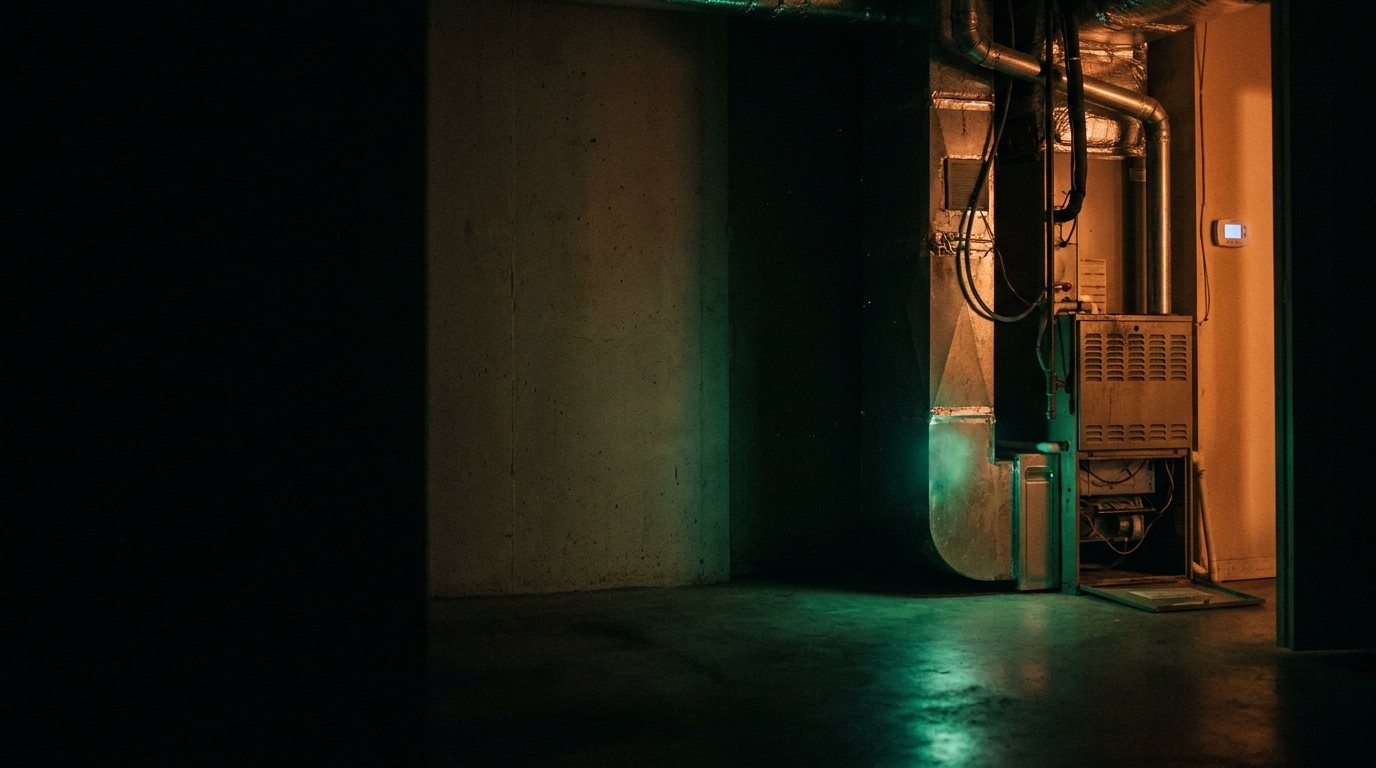
GE Furnace: Won't Start or Turn On
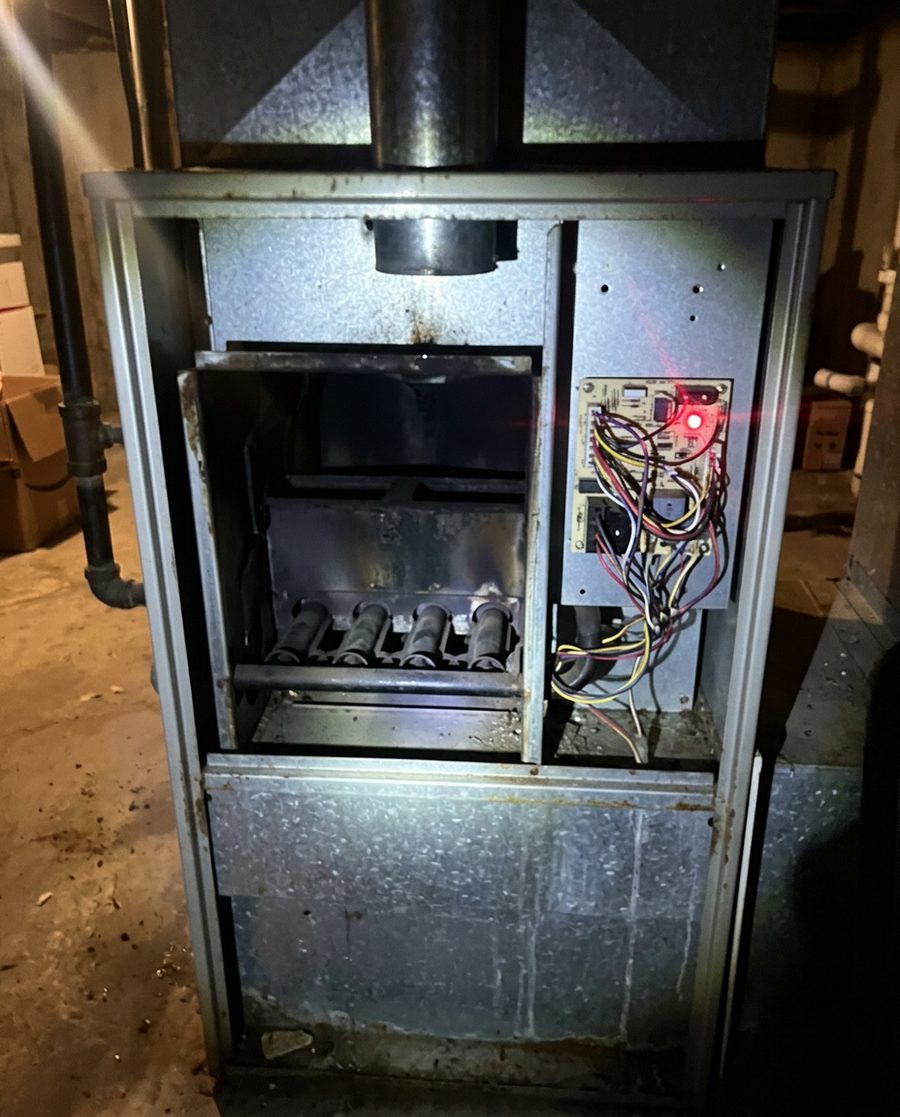
Commonly a faulty igniter, a dirty flame sensor, or a blower or control fault. Add a photo of your GE Furnace in the box below: the Triage Profile says what it is, how urgent it is, and who to call.
Show us the furnace.
Snap a photo — see what it is, how urgent, who to call. One photo of the problem. fixRAgent reads it and gives you a Triage Profile.
Or start with a sentence
AR Logic LLC · Privacy · Managing this for someone else? There is a version of this for whole portfolios. Managers: set it up for your buildings →
In the next five minutes
Safe first steps, before the call. Nothing here needs a tool.
If you smell gas, a carbon monoxide alarm sounds, or anyone feels dizzy or sick: don’t touch any switch or plug, leave and get everyone out, then call 911 or the gas company from outside.
No gas smell? Switch the furnace off at the thermostat and at its breaker.
Don’t use it again until it’s checked, and keep people away from it.
Everything else about this problem
Is it an emergency?
Is a GE furnace that won't start an emergency?
Usually not, but it can be. Because this can be an emergency, leave it off and get it checked; don't reset it or turn it back on. Stop and call a pro if it keeps tripping the breaker, smells like burning, or you smell gas.
Symptoms & causes
A GE furnace that won't start or turn on typically presents as a complete lack of heat, a fan running continuously without ignition, or the unit being entirely unresponsive. Common root causes include power supply interruptions, a malfunctioning thermostat, a clogged air filter restricting airflow, or issues with the ignition system. These problems can lead to the furnace entering a safety lockout mode to prevent damage.
Tools & parts
To track down and potentially fix a GE furnace, you'll need basic tools like a multimeter for electrical checks, a screwdriver set for accessing panels, and a wire brush or fine-grit sandpaper for cleaning. Specific GE-compatible parts that might be needed include a new thermostat, a replacement GE flame sensor or a new GE hot surface igniter.
Safety first
Before attempting any repairs on your GE furnace, always ensure the electrical power to the unit is completely shut off at the main circuit breaker to prevent electrical shock. Additionally, locate and turn off the gas supply valve to the furnace to eliminate any risk of gas leaks or explosions. Never bypass safety controls or operate the furnace if you smell gas, as this indicates a serious and immediate hazard.
When to call a pro
Certain GE furnace issues absolutely require a professional technician due to their complexity and potential danger. A faulty control board, which manages all furnace operations, often necessitates specialized testing tools and replacement by an expert. Similarly, a cracked heat exchanger, a critical component that separates combustion gases from breathable air, is a serious safety hazard requiring professional assessment and replacement. Malfunctions with the gas valve, which controls the flow of natural gas to the burners, should only be handled by a certified HVAC technician due to the inherent risks of gas leaks and improper combustion.
Questions people ask
Why is my GE furnace not getting power?
First, check the circuit breaker for your furnace in your home's electrical panel; it might be tripped and simply needs to be reset. Also, ensure the furnace's service switch, often located near the unit on a wall or ceiling, is in the "on" position.
What if my GE furnace fan runs but there's no heat?
This often indicates an ignition problem, such as a faulty igniter or a dirty flame sensor that can't detect a flame. The furnace is trying to start the heating cycle but fails to ignite the gas, leading to a safety shutdown.
How often should I change my GE furnace filter?
It's recommended to change your GE furnace filter every 1-3 months, especially during peak heating seasons or if you have pets. A clogged filter restricts airflow, reducing efficiency and potentially causing the furnace to overheat and shut down.
Related problems
More GE furnace problems
Check another symptom for your GE Furnace.
Won’t start: other brands
Guides and hubs
A resident sent you this?
What a property manager should do when a resident reports no heat: the first message, how urgent, who to send.
The manager’s checklist →Ask AI about this problem
What it is, how urgent, who to call
Add a photo of your GE Furnace in the box at the top. The Triage Profile says what it is, how urgent it is, and who to call.