

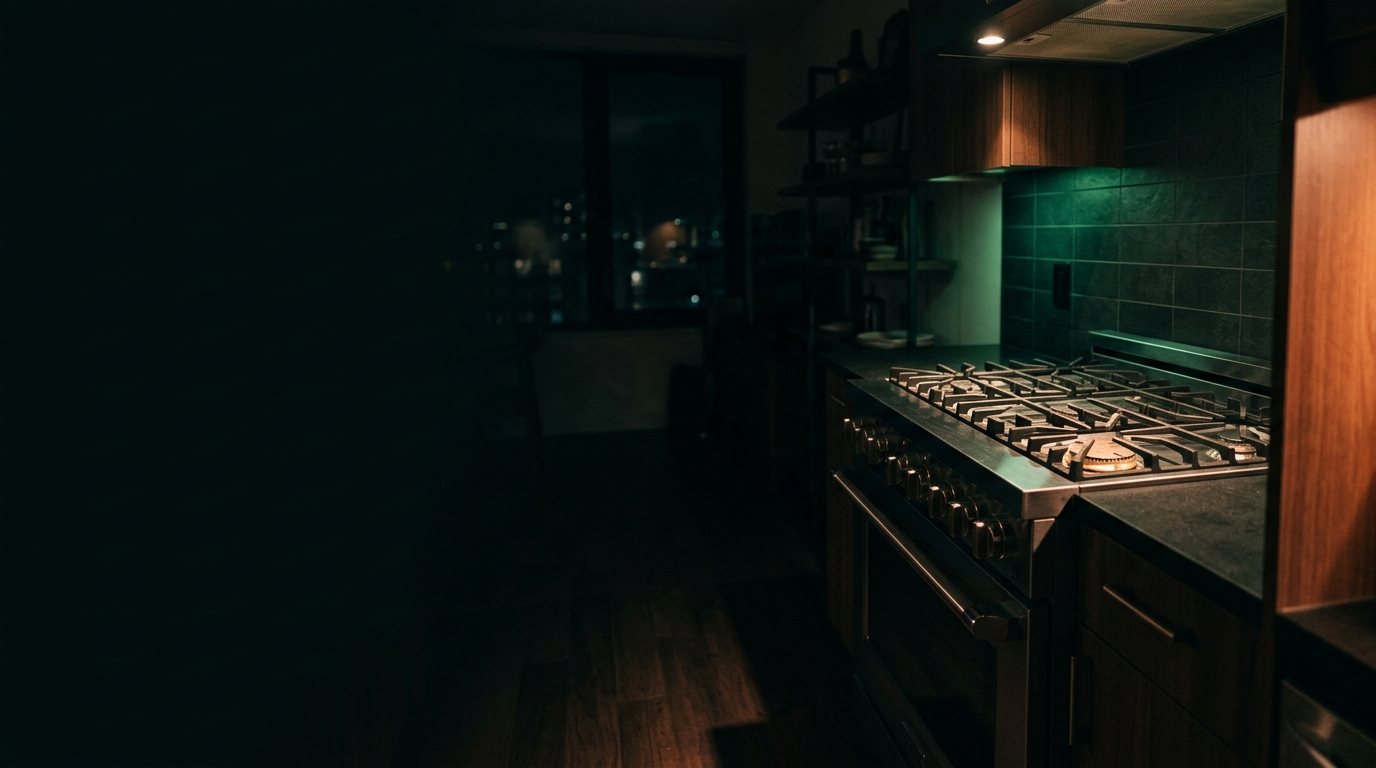
GE Range: Making Loud Noise
Often a failing convection or cooling fan, or a buzzing gas valve. Upload a photo of your GE Range and fixRAgent's AI pinpoints the exact failed part.
Show us the range.
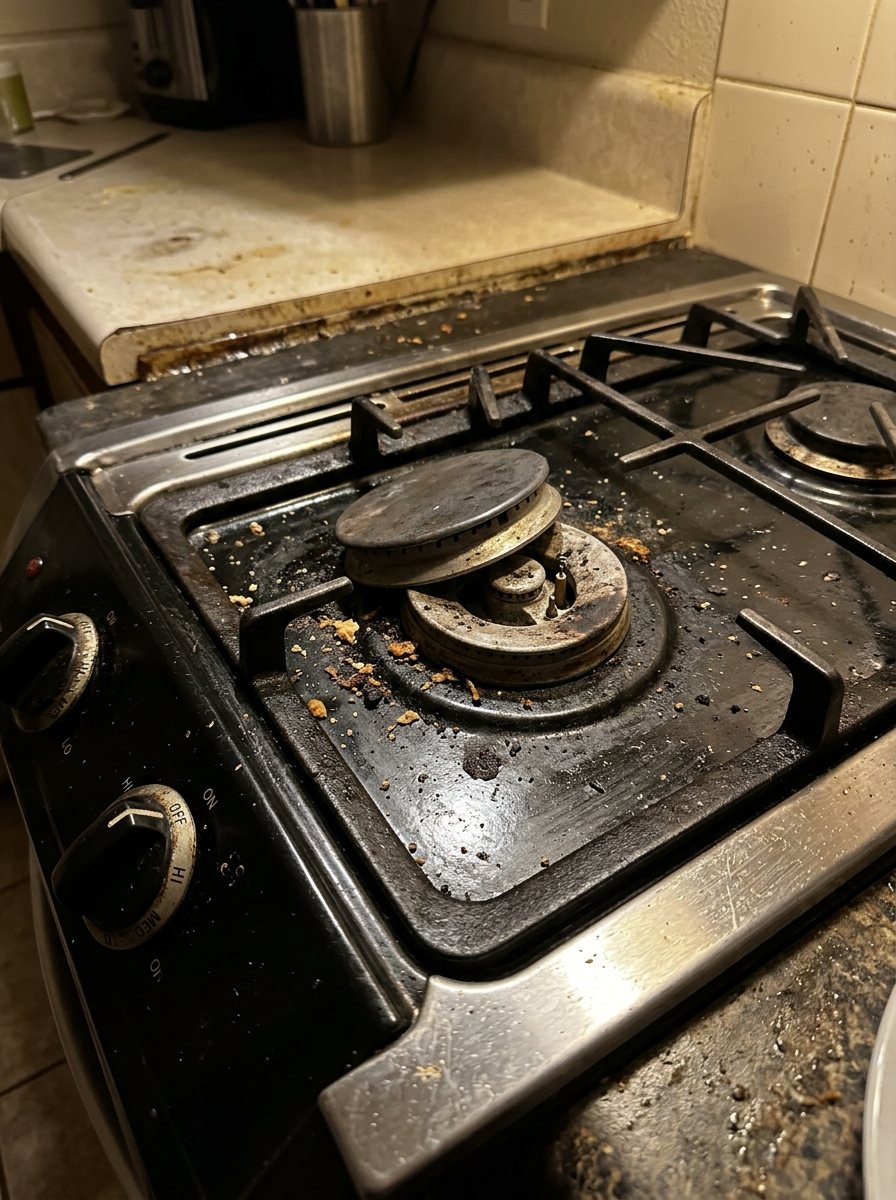
Snap a photo — see what it is, how urgent, who to call. One photo of the problem. fixRAgent reads it and gives you a Triage Profile.
Or start with a sentence
AR Logic LLC · Privacy · Managing this for someone else? There is a version of this for whole portfolios. Managers: set it up for your buildings →
In the next five minutes
Safe first steps, before the call. Nothing here needs a tool.
If you smell gas: don’t touch any switch or plug, leave, then call the gas company or 911 from outside.
No gas smell? Note what the noise sounds like and when it happens, then turn off any burner that is on and switch off the range’s breaker.
Take a photo of the range and any code on the display, without opening anything.
Everything else about this problem
Is it an emergency?
Is a loud noise from a GE range an emergency?
Usually not an emergency. A grinding, rattling or humming that has just started most often comes from a fan, motor, belt or loose panel. Stop using it and cut the power if the noise comes with a burning smell, smoke or sparks; if it runs on gas and you smell gas, leave and call the gas company or 911 from outside.
Symptoms & causes
Loud noises from a GE range often indicate a failing fan motor, either for the convection fan or the cooling fan. A high-pitched whine or grinding sound typically points to worn bearings in the fan motor, especially when the oven is in use. Clicking or buzzing could also signal a faulty relay on the control board or a loose component vibrating against the chassis.
Tools & parts
For fan motor replacement, you will need basic hand tools like a Phillips head screwdriver, a nut driver set (typically 1/4" and 5/16"), and possibly needle-nose pliers. Specific parts might include a GE convection fan motor or a cooling fan motor. A multimeter can be useful for testing continuity in wiring or components, though it's not always strictly necessary for a fan replacement.
Safety first
Always disconnect power to the GE range by unplugging it from the wall outlet or by shutting off the corresponding circuit breaker before beginning any inspection or repair. Electric ranges carry high voltage, so failing to de-energize the appliance can result in severe electrical shock or electrocution. Allow the oven to cool completely before working inside, as internal components can retain significant heat and cause burns.
When to call a pro
If the noise persists after replacing a fan, or if the range completely fails to heat, it might indicate a more complex issue with the main control board or a faulty heating element. Intermittent power failures or error codes displayed on the control panel often point to a failing electronic control board, which requires specialized testing tools. Gas ranges with loud noises, especially hissing or gas odors, demand immediate professional attention due to the significant risk of gas leaks and potential explosions.
Questions people ask
Why is my GE oven making a loud humming noise?
A loud humming noise from your GE oven often indicates that the cooling fan or convection fan motor is struggling. The bearings in the motor might be worn out, causing the fan to vibrate excessively or seize up.
Can I fix a noisy GE range myself?
Many common noise issues, like a failing convection or cooling fan, can be addressed by a DIY enthusiast with basic tools and some mechanical aptitude. However, always ensure you disconnect power and follow safety guidelines.
What if the noise is coming from the bottom of my GE range?
Noise from the bottom of a GE range often points to the cooling fan, which is typically located near the control board to prevent overheating. Check for obstructions or a failing motor in that area.
Related problems
More GE range problems
Check another symptom for your GE Range.
Making a loud noise: other brands
A resident sent you this?
fixRAgent reads resident photos for whole portfolios: what it is, how urgent, who to send, what to tell them.
Set it up for your buildings →Ask AI about this problem

Find The Broken Part
Upload a photo of your GE Range or its model number tag. fixRAgent will identify the likely failure and give you the direct link to the replacement part.