

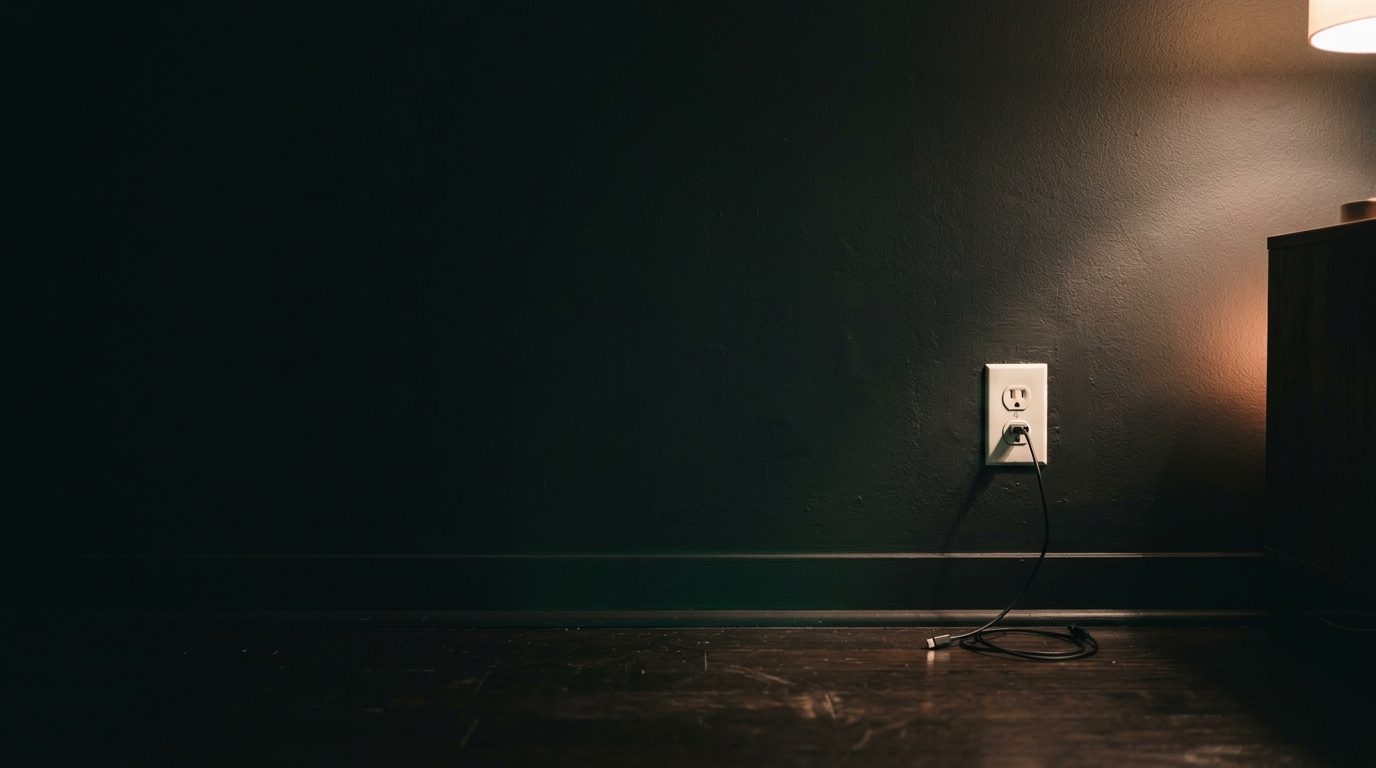
Electrical Outlet Not Working — Photo Triage
Show us the outlet.
Snap a photo — see what it is, how urgent, who to call. One photo of the problem. fixRAgent reads it and gives you a Triage Profile.
Or say it in a sentence
AR Logic LLC · Privacy · Managing this for someone else? There is a version of this for whole portfolios. Managers: set it up for your buildings →
What Causes an Electrical Outlet to Stop Working
A dead outlet can leave you without power when you need it most, and the cause could be anything from a tripped GFCI to a failed breaker or loose wiring. Get clear answers with AI-powered diagnosis before you call an electrician.
A non-functional outlet is usually caused by one of five issues: a tripped GFCI outlet, a blown circuit breaker, a tripped breaker switch, loose or corroded wiring connections, or a failed outlet receptacle. Most homeowners can identify and fix the first two causes in under 10 minutes. If it's wiring or a failed outlet, you'll need a licensed electrician.
Tripped GFCI Outlet
GFCI (Ground Fault Circuit Interrupter) outlets have built-in protection and automatically shut off power when they detect a ground fault. You'll notice a small "TEST" and "RESET" button on the outlet face. When tripped, the outlet cuts power to itself and any outlets downstream on the same circuit. This is a safety feature and is easily fixable—just press the RESET button.
Tripped Circuit Breaker
If the breaker controlling that outlet has flipped to the OFF position, no power reaches the outlet. Check your electrical panel for a switch that's between ON and OFF or clearly in the OFF position. A breaker trips when it detects an overload or short circuit, protecting your home from fire. Flip it back ON—if it trips again immediately, stop and call an electrician.
Blown Fuse or Failed Breaker
Older homes use fuses instead of breakers; a blackened or damaged fuse means it's blown and must be replaced with one of the same amperage (15A, 20A, etc.). Modern breakers can fail internally even when not visibly tripped. If resetting doesn't work and the breaker trips again under normal load, the breaker has likely failed and needs replacement by a professional.
Loose or Corroded Wiring Connection
Power connections behind the outlet or at the breaker panel can loosen over time, especially in older homes, or corrode if exposed to moisture. You won't see this without opening the outlet or panel—it's not a safe DIY fix. Signs include intermittent power loss, warm outlets, or a burning smell near the outlet.
Dead Outlet Receptacle
The outlet itself can fail internally if a plug is repeatedly inserted or removed forcefully, if there's damage to the terminals, or simply from age. A failed receptacle won't accept plugs properly or deliver power even when wiring is intact. This requires outlet replacement by an electrician or experienced DIYer.
Everything else about a dead outlet
How to Diagnose Electrical Outlet Not Working With AI
The fastest diagnosis method is uploading a photo to fixRAgent. The AI will analyze:
- Whether the outlet has a RESET button and if it's in the popped position
- Visible signs of damage, discoloration, scorch marks, or corrosion on the outlet face
- The status of nearby circuit breakers in your electrical panel
- How the outlet is mounted and whether it appears loose or misaligned
Take your photo in bright, natural light directly facing the outlet and include the surrounding wall to provide context.
Upload your photo in the box at the top of this page and receive your diagnosis—right on this page, no sign-up required.
DIY Repair: Step-by-Step
DIY is safe and appropriate for resetting a tripped GFCI outlet or a tripped breaker. Do not attempt to replace an outlet, repair wiring, or open your electrical panel unless you're experienced with electrical systems and your local code permits it.
What You'll Need
- A flashlight or phone light (to see inside your breaker panel)
- Your home's electrical panel location (usually basement, garage, or utility closet)
- Optional: a non-contact voltage tester to confirm power is off before touching anything
Steps
- 1
Check for a GFCI outlet
Look at the outlet itself. If it has a small "RESET" button, press it firmly. Wait 2–3 seconds. If the outlet powers back on, the problem is solved. If it resets but immediately trips again, the circuit has a ground fault and needs professional inspection.
- 2
Locate your electrical panel
If the GFCI didn't reset or if there's no GFCI outlet, find your main breaker panel. It's typically a gray or metal box labeled "Main," "Service," or "Electrical Panel."
- 3
Identify the breaker for that outlet
Open the panel door. Look for a breaker switch that's clearly in the OFF position or stuck between ON and OFF. The breaker controlling your outlet may be labeled on the panel or you may need to test switches. Most residential circuits are either 15-amp or 20-amp.
- 4
Reset the breaker
Flip the suspect breaker fully OFF, then flip it back ON. Wait 30 seconds and test the outlet with a lamp or phone charger.
- 5
If the breaker trips again immediately
Do not reset it again. Leave it OFF and call a licensed electrician—this indicates an overload or short circuit that requires professional diagnosis.
- 6
Close the panel door securely
Make sure the door is fully closed and latched before leaving the area.
Your electrical panel contains live electrical current even when the main breaker is OFF. Never touch any bus bars, terminals, or wires inside the panel. If you're uncomfortable opening the panel or identifying breakers, stop and call a licensed electrician. Do not perform any work inside the panel itself—breaker replacement and wiring repairs require a professional.
When to Call a Professional
Call a licensed electrician immediately if:
- The breaker trips again immediately after you reset it, or it keeps tripping under normal use
- You see scorch marks, discoloration, or a burning smell around the outlet or at the breaker panel
- The outlet feels warm to the touch or the outlet cover is cracked, melted, or damaged
- You're unsure how to safely access your breaker panel or identify which breaker controls the outlet
- The outlet is a special type (240V, 30A, 50A) typically used for large appliances like stoves, dryers, or EV chargers
- You've reset the GFCI or breaker multiple times and the outlet continues to lose power
A typical electrician service call costs $150–$300 for diagnosis, with outlet replacement running $150–$300 and breaker replacement or panel work ranging from $300–$800 depending on complexity and local rates.
Frequently Asked Questions
Is it safe to use an outlet that keeps losing power?
No. A breaker that repeatedly trips or an outlet that loses power intermittently indicates a problem—either an overloaded circuit, a ground fault, or faulty wiring. Repeatedly bypassing these safety mechanisms increases the risk of electrical fire or shock. Have it inspected by a licensed electrician.
My GFCI outlet won't reset. What should I do?
If pressing RESET does nothing, the GFCI outlet itself may have failed and needs replacement. Alternatively, there may be a ground fault somewhere downstream on that circuit. Before replacing the outlet, try resetting the breaker in your panel. If that doesn't help, call an electrician to check for a ground fault and replace the GFCI if needed.
Do I need to turn off power at the breaker before unplugging something from the outlet?
No—you can safely unplug items from a live outlet. However, if you're working inside the outlet (replacing it or checking connections), you must turn off the breaker first and use a voltage tester to confirm power is off. Never work on a live outlet or wiring.
Why do some outlets have RESET buttons and others don't?
Outlets with RESET buttons are GFCI-protected, designed for high-moisture areas like kitchens and bathrooms. They shut off power instantly if they detect a ground fault, protecting you from shock. Non-GFCI outlets rely on the circuit breaker in your panel for protection, which reacts more slowly. Many building codes now require GFCI protection in bathrooms, kitchens, garages, and outdoor outlets.
Can I replace an electrical outlet myself?
If you've turned off power at the breaker and confirmed it's off with a voltage tester, you can safely remove and replace a standard 120V outlet. However, this requires comfort with electrical work and compliance with local building codes. If you're unsure, hire a licensed electrician—the cost ($150–$300 total) is worth the safety and warranty.
What's the difference between a tripped breaker and a blown fuse?
A breaker is a reusable switch that flips OFF when overloaded and can be reset. A fuse is a one-time-use device that melts and must be replaced when overloaded. Modern homes use breakers; older homes typically have fuses. If your home has fuses, replace a blown one with the exact same amperage rating—never use a higher amperage fuse, as it bypasses safety protection.
Related problems

Not sure what you’re looking at?
Snap a photo of it. The Triage Profile says what it is, how urgent it is, and who to call.