

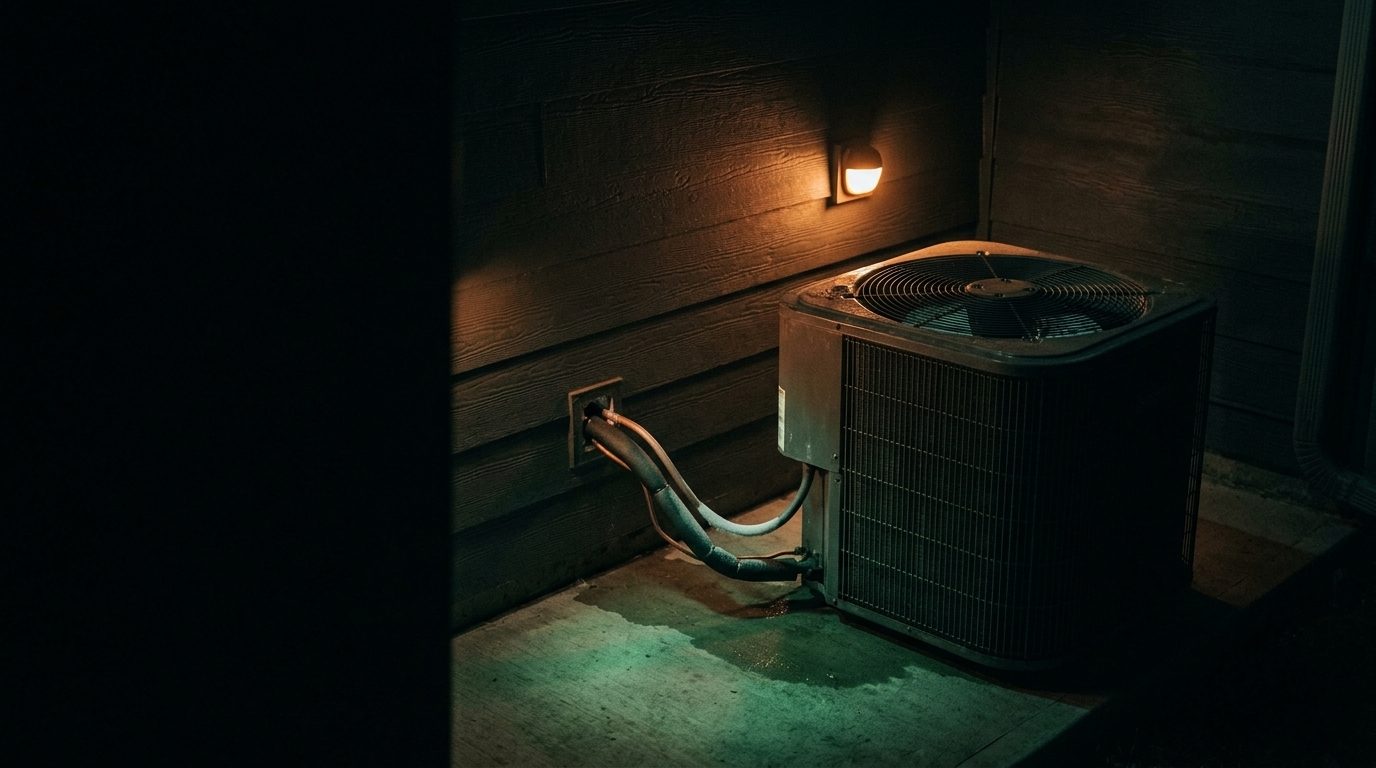
Hotpoint HVAC: Making Loud Noise
Often a failing blower or condenser-fan motor, a worn belt, or a struggling compressor. Add a photo of your Hotpoint HVAC in the box below: the Triage Profile says what it is, how urgent it is, and who to call.
Show us the system.
Snap a photo — see what it is, how urgent, who to call. One photo of the problem. fixRAgent reads it and gives you a Triage Profile.
Or start with a sentence
AR Logic LLC · Privacy · Managing this for someone else? There is a version of this for whole portfolios. Managers: set it up for your buildings →
In the next five minutes
Safe first steps, before the call. Nothing here needs a tool.
Note what the noise sounds like and when it happens, then switch the system off at the thermostat and at its breaker.
Take a photo of the unit and the thermostat, without opening anything.
Don’t use it again until it’s checked, and keep people away from it.
Everything else about this problem
Is it an emergency?
Is a loud noise from a Hotpoint HVAC system an emergency?
Usually not, but it can be. A grinding, rattling or humming that has just started most often comes from a fan, motor, belt or loose panel. Stop using it and cut the power if the noise comes with a burning smell, smoke or sparks; if it runs on gas and you smell gas, leave and call the gas company or 911 from outside.
Symptoms & causes
Loud noises from a Hotpoint HVAC system often manifest as grinding, squealing, rattling, or banging sounds, indicating mechanical stress or component failure. Grinding or squealing typically points to worn motor bearings in the blower or outdoor fan, while rattling can signal loose fan blades, panels, or debris trapped within the unit. Banging noises, especially upon startup or shutdown, might suggest a failing compressor, a loose fan hitting its housing, or issues with the ductwork expanding and contracting. Identifying the specific type and location of the noise is crucial for accurate testing and repair.
Tools & parts
For initial testing, you'll need a basic screwdriver set, a multimeter for electrical checks, and a wrench set to tighten fasteners. Specific replacement parts might include a Hotpoint-compatible blower motor, new fan blades, or a run capacitor. Always ensure replacement parts are compatible with your specific Hotpoint HVAC model to guarantee proper function and safety.
Safety first
Before attempting any inspection or repair, always turn off power to the HVAC unit at both the thermostat and the main electrical breaker panel to prevent accidental startup and electrical shock. Additionally, locate and switch off the outdoor unit's dedicated electrical disconnect switch. Be aware of sharp metal edges inside the unit and wear appropriate safety gloves, as well as being cautious of rapidly moving fan blades and high-voltage components even when power is off due to residual charge in capacitors.
When to call a pro
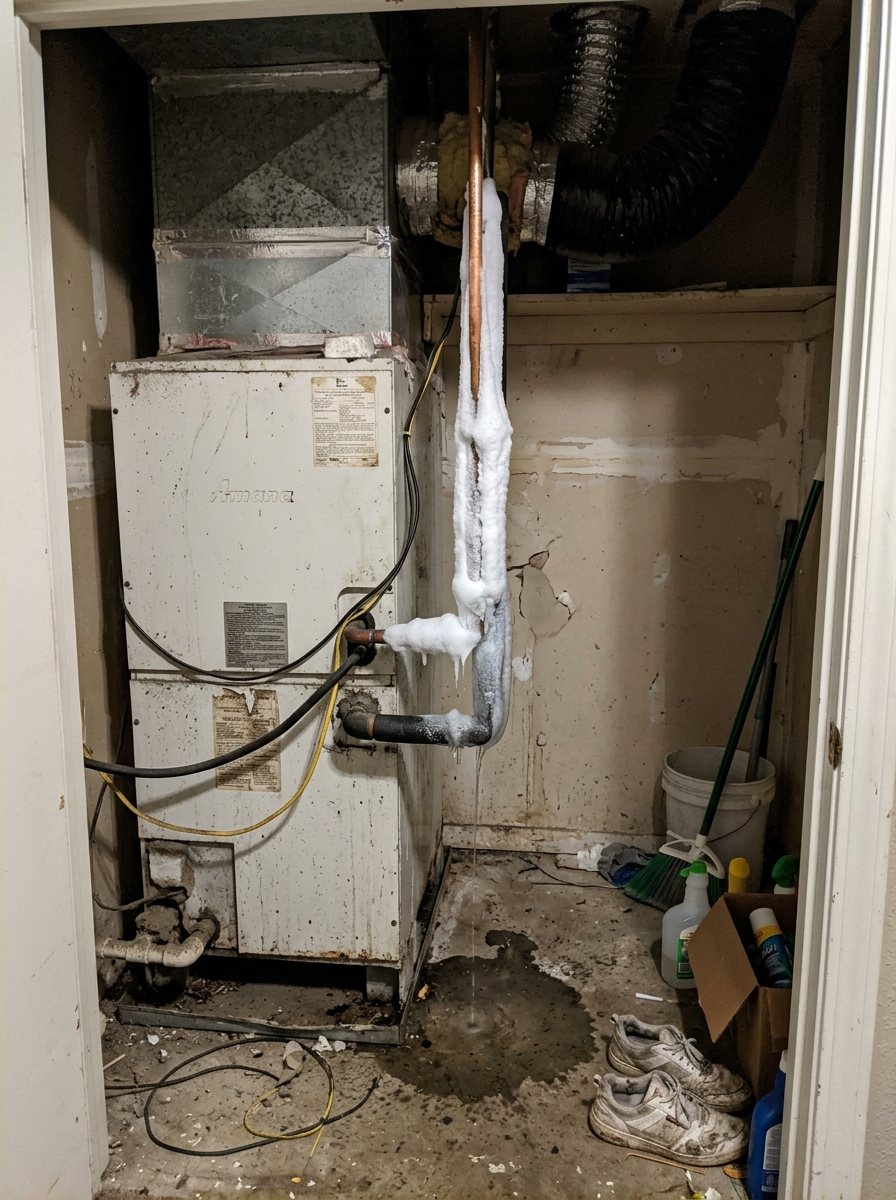
If the loud noise is accompanied by a complete loss of heating or cooling, or if you suspect a refrigerant leak (indicated by hissing sounds or ice on lines), professional intervention is required. Complex electrical control board failures or issues with the sealed refrigerant system, such as a failing compressor or expansion valve, are beyond typical DIY repair and necessitate specialized tools and certifications. Any persistent banging or grinding that doesn't resolve with simple tightening or debris removal suggests a major component failure best handled by a certified Hotpoint HVAC technician.
Questions people ask
What if the noise is coming from the outdoor unit?
Noises from the outdoor unit often indicate issues with the condenser fan motor, fan blades, or the compressor itself. First, ensure there's no debris like leaves or twigs obstructing the fan's operation. If the noise persists, it might be a failing fan motor bearing or a more serious compressor problem.
Can I ignore a minor noise from my Hotpoint HVAC?
Ignoring even a minor noise is not recommended, as it can be an early indicator of a developing problem that could lead to more significant and costly damage. Addressing the issue promptly can prevent a small repair from escalating into a major system breakdown. Early intervention often saves money and extends the life of your unit.
How often should I maintain my Hotpoint HVAC to prevent noises?
Regular maintenance, ideally twice a year (before heating and cooling seasons), is crucial for preventing unexpected noises and breakdowns. This includes changing air filters monthly, cleaning coils, and ensuring all components are securely fastened. Proactive maintenance helps identify potential issues before they become loud problems.
Related problems
More Hotpoint HVAC system problems
Check another symptom for your Hotpoint HVAC.
Making a loud noise: other brands
Guides and hubs
A resident sent you this?
What a property manager should do when a resident reports AC not cooling: the first message, how urgent, who to send.
The manager’s checklist →Ask AI about this problem
What it is, how urgent, who to call
Add a photo of your Hotpoint HVAC in the box at the top. The Triage Profile says what it is, how urgent it is, and who to call.