

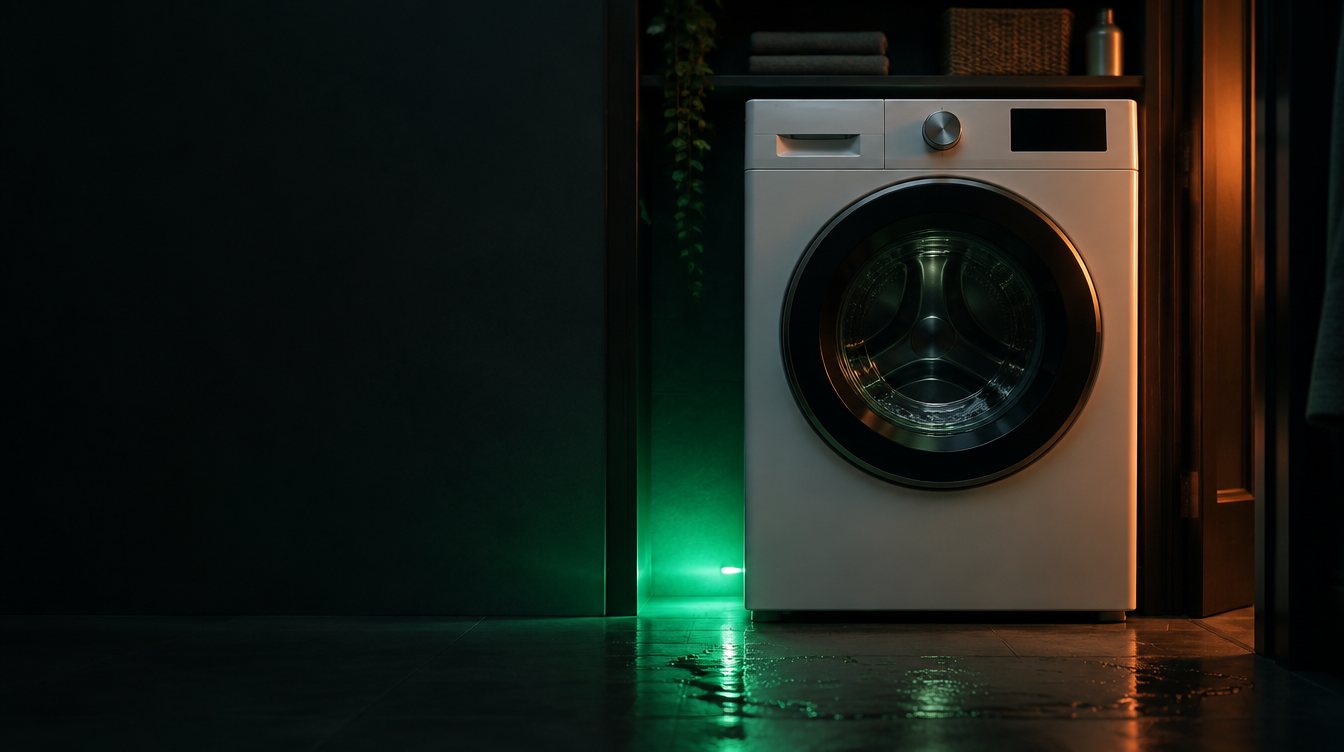
Whirlpool Washer: Leaking Water
Most often a worn door boot or gasket, a loose hose clamp, or a failing drain-pump seal. Add a photo of your Whirlpool Washer in the box below: the Triage Profile says what it is, how urgent it is, and who to call.
Show us the washer.
Snap a photo — see what it is, how urgent, who to call. One photo of the problem. fixRAgent reads it and gives you a Triage Profile.
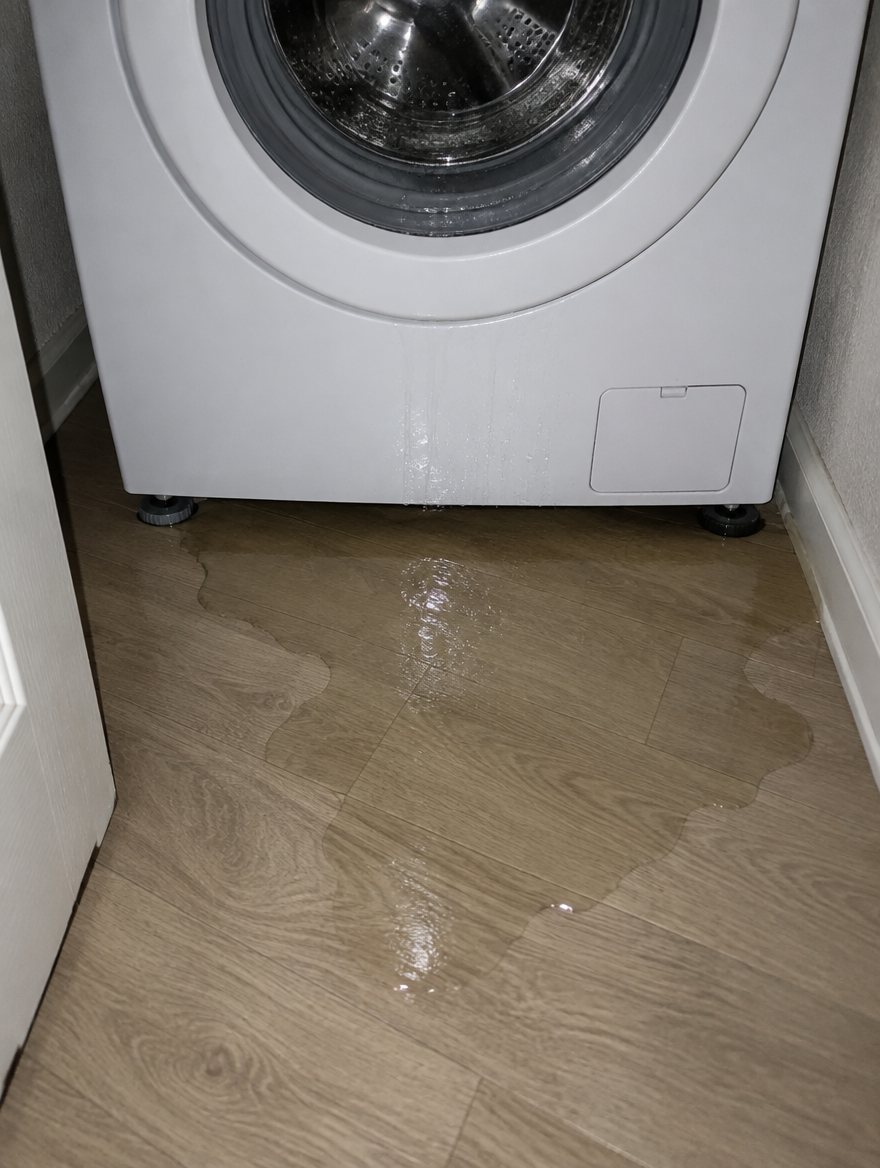
Or start with a sentence
AR Logic LLC · Privacy · Managing this for someone else? There is a version of this for whole portfolios. Managers: set it up for your buildings →
In the next five minutes
Safe first steps, before the call. Nothing here needs a tool.
If water is near the plug or outlet, don’t touch them. Switch off the washer’s breaker first. Don’t stand in water to reach the breaker panel; if the panel is wet or you’d have to stand in water, leave it and call.
Then turn off the washer’s hot and cold water valves, if you can reach them without moving it.
Take a photo of the washer, the water and any code on the display, without opening anything.
Everything else about this problem
Is it an emergency?
Is a Whirlpool washer leaking water an emergency?
Usually urgent, not an emergency. Turn off the water to it and unplug it or switch off its breaker, then soak up standing water. If water is reaching outlets or cords, switch off the breaker before touching anything; water coming through a ceiling is an emergency.
Symptoms & causes
If your Whirlpool washer is leaking water, you might observe puddles around the base, water dripping from the bottom, or even water pooling inside the drum after a cycle. Common culprits include loose or cracked inlet/drain hoses, a faulty drain pump, or a compromised tub seal. Identifying the exact location of the leak is crucial for checking the root cause, which could range from a simple connection issue to a component failure.
Tools & parts
You will likely need basic hand tools such as a screwdriver set, pliers, and a flashlight to inspect hard-to-reach areas. Replacement parts like new hose clamps, a drain pump assembly, or a tub seal kit might be necessary depending on the leak's origin. Always ensure you have the correct part number for your specific Whirlpool model before purchasing.
Safety first
Before attempting any inspection or repair, always unplug the washer from the electrical outlet and shut off both hot and cold water supply valves to prevent electric shock or scalding. Be cautious of sharp edges inside the machine and wear gloves to protect your hands from potential cuts or chemical residue. Ensure the area is dry to avoid slipping hazards, especially when dealing with water leaks.
When to call a pro
If the leak originates from a cracked outer tub, a failed transmission seal, or complex internal plumbing that requires specialized tools, it's best to call a professional Whirlpool technician. Issues involving the main control board or motor, which can sometimes manifest as unusual leaks due to operational failures, also warrant expert intervention. Extensive water damage to surrounding flooring or cabinetry might also necessitate professional assessment and repair beyond the washer itself.
Questions people ask
What are the most common spots for a Whirlpool washer to leak?
The most common leak spots on a Whirlpool washer are typically the inlet hoses at the back, the drain hose connection, or the drain pump area. Leaks can also originate from the dispenser drawer or the main tub seal around the agitator shaft.
How can I accurately identify the source of the leak?
To pinpoint the leak, place dry towels around the washer's base and observe during different cycle stages, using a flashlight to look underneath. You can also tilt the machine back slightly to get a better view of the underside components while it's running a small load.
What preventative measures can I take to avoid future leaks?
Regularly inspect the inlet and drain hoses for cracks or loose connections, tightening clamps as needed. Avoid overloading the washer, as this can stress the tub and seals, and periodically clean the dispenser drawer to prevent blockages that can cause overflows.
Related problems
More Whirlpool washer problems
Check another symptom for your Whirlpool Washer.
Leaking water: other brands
Guides and hubs
A resident sent you this?
Water under an appliance: how a property manager sorts it into emergency, urgent or routine, and what moves it up.
The manager’s guide →Ask AI about this problem
What it is, how urgent, who to call
Add a photo of your Whirlpool Washer in the box at the top. The Triage Profile says what it is, how urgent it is, and who to call.