

Thermador Water Heater: Making Loud Noise
Usually sediment built up on the tank bottom, or a failing heating element. Add a photo of your Thermador Water Heater in the box below: the Triage Profile says what it is, how urgent it is, and who to call.
Show us the water heater.
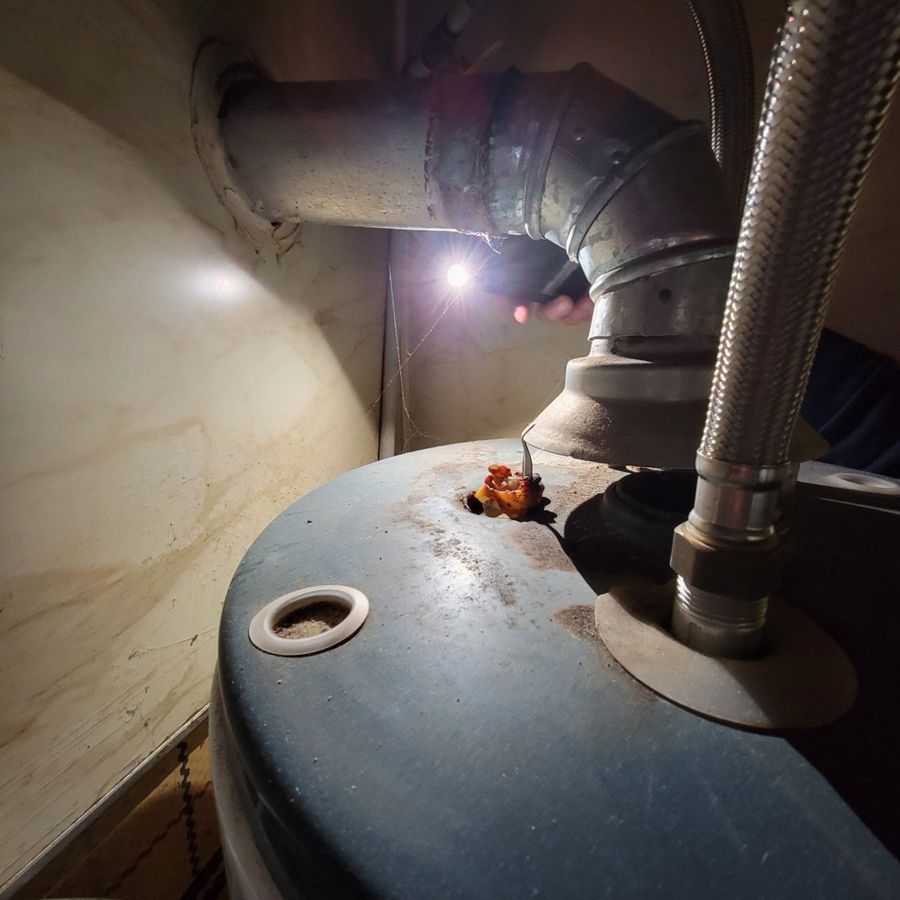
Snap a photo — see what it is, how urgent, who to call. One photo of the problem. fixRAgent reads it and gives you a Triage Profile.
Or start with a sentence
AR Logic LLC · Privacy · Managing this for someone else? There is a version of this for whole portfolios. Managers: set it up for your buildings →
In the next five minutes
Safe first steps, before the call. Nothing here needs a tool.
If you smell gas, a carbon monoxide alarm sounds, or anyone feels dizzy or sick: don’t touch any switch or plug, leave and get everyone out, then call 911 or the gas company from outside.
No gas smell? Note what the noise sounds like and when it happens, then turn the water heater’s gas control knob to OFF if it’s gas, or switch off its breaker if it’s electric.
Take a photo of the tank, the floor and its label, without opening anything.
Everything else about this problem
Is it an emergency?
Is a loud noise from a Thermador water heater an emergency?
Usually not an emergency. A grinding, rattling or humming that has just started most often comes from a fan, motor, belt or loose panel. Stop using it and cut the power if the noise comes with a burning smell, smoke or sparks; if it runs on gas and you smell gas, leave and call the gas company or 911 from outside.
Symptoms & causes
Loud noises from your Thermador water heater often indicate sediment buildup at the bottom of the tank, which can cause popping or rumbling sounds as water heats and expands. A high-pitched whine or screeching might suggest a failing heating element or a restricted water flow due to a clogged dip tube or inlet valve. Sudden banging or hammering sounds, known as water hammer, are typically related to rapid valve closure or pressure imbalances within your home's plumbing system.
Tools & parts
For sediment flushing, you will need a standard garden hose, a large bucket for initial draining, and potentially a specialized tank flush kit for more thorough cleaning. If a heating element replacement is necessary, a new Thermador-compatible element may be needed, along with a heating element wrench and a multimeter for testing electrical continuity. For pressure-related issues, a water pressure gauge is useful, and a replacement pressure relief valve (T&P valve) for Thermador models.
Safety first
Always shut off the power to the water heater at the circuit breaker and turn off the cold water supply valve before attempting any repairs to prevent electrocution or scalding. Be aware that hot water can cause severe burns, so allow the tank to cool sufficiently before draining or working with internal components. Ensure the area is well-ventilated and never bypass safety devices like the temperature and pressure relief valve.
When to call a pro
If the noise persists after flushing and basic troubleshooting, or if you suspect a faulty anode rod or a compromised tank lining, professional testing is crucial to prevent further damage. Complex electrical issues, such as a shorted heating element or a malfunctioning thermostat that requires advanced electrical testing, should always be handled by a certified technician. Any signs of water leakage from the tank itself, rather than connections, indicate a serious structural failure that necessitates immediate professional replacement of the entire unit.
Questions people ask
Why does my Thermador water heater make a popping sound?
A popping sound is typically caused by sediment buildup at the bottom of the tank, which traps water. As the heating element warms the water, trapped pockets of water under the sediment boil, creating steam bubbles that burst and make noise.
Can I fix a noisy water heater myself?
Many common noise issues, like those caused by sediment, can often be resolved by a homeowner through a simple tank flush. However, more complex problems involving electrical components, internal tank integrity, or persistent pressure issues usually require professional expertise.
How often should I flush my Thermador water heater to prevent noise?
It is recommended to flush your Thermador water heater annually to remove sediment and maintain efficiency, which helps prevent noise. In areas with particularly hard water, more frequent flushing, perhaps every six months, may be beneficial to minimize mineral buildup.
Related problems
More Thermador water heater problems
Check another symptom for your Thermador Water Heater.
Making a loud noise: other brands
Guides and hubs
A resident sent you this?
What a property manager should do when a resident reports a leaking water heater: the first message, how urgent, who to send.
The manager’s checklist →Ask AI about this problem
What it is, how urgent, who to call
Add a photo of your Thermador Water Heater in the box at the top. The Triage Profile says what it is, how urgent it is, and who to call.