

KitchenAid Water Heater: Won't Start or Turn On
On gas units, typically a thermocouple or igniter fault; on electric, a tripped reset or failed element. Add a photo of your KitchenAid Water Heater in the box below: the Triage Profile says what it is, how urgent it is, and who to call.
Show us the water heater.
Snap a photo — see what it is, how urgent, who to call. One photo of the problem. fixRAgent reads it and gives you a Triage Profile.
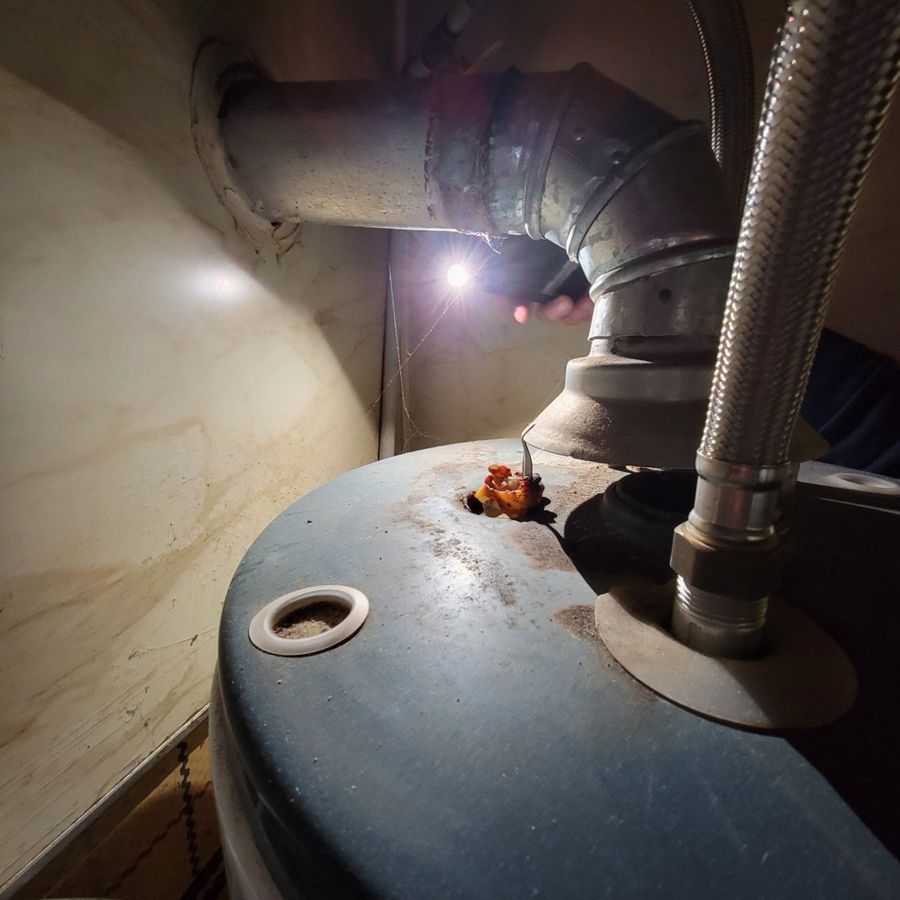
Or start with a sentence
AR Logic LLC · Privacy · Managing this for someone else? There is a version of this for whole portfolios. Managers: set it up for your buildings →
In the next five minutes
Safe first steps, before the call. Nothing here needs a tool.
If you smell gas, a carbon monoxide alarm sounds, or anyone feels dizzy or sick: don’t touch any switch or plug, leave and get everyone out, then call 911 or the gas company from outside.
No gas smell? Turn the water heater’s gas control knob to OFF if it’s gas, or switch off its breaker if it’s electric.
Take a photo of the tank, the floor and its label, without opening anything.
Everything else about this problem
Is it an emergency?
Is a KitchenAid water heater that won't start an emergency?
Rarely an emergency. Check its breaker and, on a gas unit, the display or the label by the gas control. Stop and call a pro if it keeps tripping the breaker, smells like burning, or you smell gas.
Symptoms & causes
The KitchenAid water heater shows no signs of power, such as no indicator lights or no hot water production, despite being plugged in or having its breaker on. This often points to an electrical issue, like a tripped circuit breaker, a faulty thermostat, or a failed heating element. Less commonly, a tripped high-limit switch or a problem with the control board could prevent the unit from initiating its heating cycle.
Tools & parts
For checking electrical issues, you'll need a multimeter to test voltage and continuity of components like heating elements and thermostats. A non-contact voltage tester is useful for quickly checking if power is present at the outlet or terminal block without direct contact. Basic hand tools like screwdrivers (Phillips and flathead) and pliers are essential for accessing internal components and securing wiring.
Safety first
Always disconnect power to the KitchenAid water heater by turning off the circuit breaker or unplugging the unit before performing any inspection or repair. Be aware of potential scalding hazards from hot water if the unit has been partially operating, and always allow components to cool before touching them. Wear insulated gloves and safety glasses when working with electrical components to protect against shock and potential arc flashes.
When to call a pro
If the main control board is unresponsive or shows error codes that cannot be reset, professional replacement is often required. Complex wiring harness failures or internal tank leaks that are not easily accessible indicate a need for a certified technician to ensure proper testing and repair. Issues involving gas lines or pilot lights on gas KitchenAid water heaters, such as a faulty gas control valve, should always be handled by a licensed plumber or gas technician due to safety risks.
Questions people ask
What if my KitchenAid water heater has power but no hot water?
This often indicates a problem with the heating elements or the thermostat. Test the heating elements for continuity and the thermostat for proper operation using a multimeter to pinpoint the faulty component.
Can a high-limit switch prevent my KitchenAid water heater from turning on?
Yes, a tripped high-limit switch, designed to prevent overheating, will cut power to the heating elements. Locate the red reset button on the thermostat and press it firmly; if it trips repeatedly, there's an underlying issue like a faulty thermostat or element.
Related problems
More KitchenAid water heater problems
Check another symptom for your KitchenAid Water Heater.
Won’t start: other brands
Guides and hubs
A resident sent you this?
What a property manager should do when a resident reports a leaking water heater: the first message, how urgent, who to send.
The manager’s checklist →Ask AI about this problem

What it is, how urgent, who to call
Add a photo of your KitchenAid Water Heater in the box at the top. The Triage Profile says what it is, how urgent it is, and who to call.