

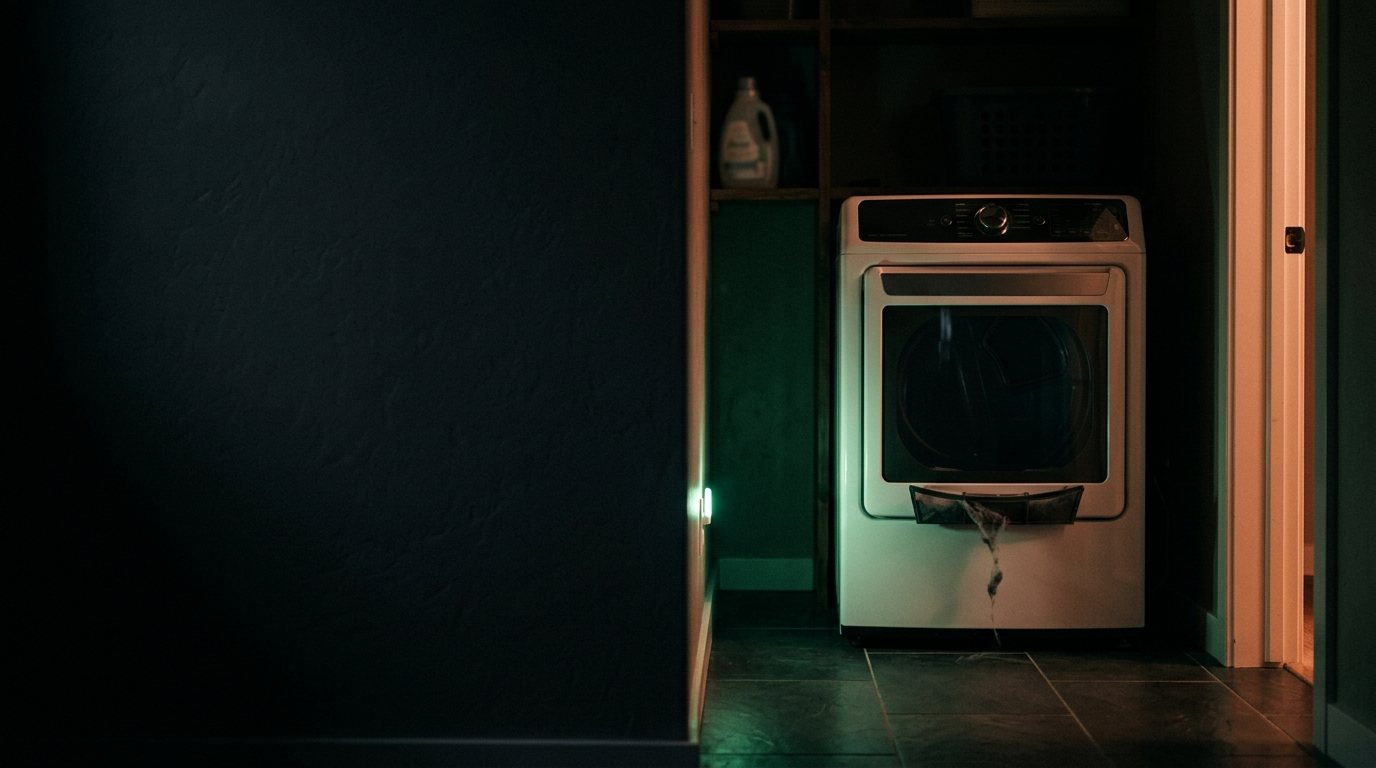
KitchenAid Dryer: Leaking Water
Unusual on a dryer — typically vent condensation or, on heat-pump models, a clogged condenser drain. Add a photo of your KitchenAid Dryer in the box below: the Triage Profile says what it is, how urgent it is, and who to call.
Show us the dryer.
Snap a photo — see what it is, how urgent, who to call. One photo of the problem. fixRAgent reads it and gives you a Triage Profile.
Or start with a sentence
AR Logic LLC · Privacy · Managing this for someone else? There is a version of this for whole portfolios. Managers: set it up for your buildings →
In the next five minutes
Safe first steps, before the call. Nothing here needs a tool.
If you smell gas: don’t touch any switch or plug, leave, then call the gas company or 911 from outside.
If water is near the plug or outlet, don’t touch them. Switch off the dryer’s breaker first. Don’t stand in water to reach the breaker panel; if the panel is wet or you’d have to stand in water, leave it and call.
Take a photo of the dryer and the water, without opening anything.
Everything else about this problem
Is it an emergency?
Is a KitchenAid dryer leaking water an emergency?
Usually urgent, not an emergency. Unplug it or switch off its breaker, turn off the water to it if it has a water line, then soak up standing water. If water is reaching outlets or cords, switch off the breaker before touching anything; water coming through a ceiling is an emergency.
Symptoms & causes
Water puddles around the base of your KitchenAid dryer, especially during or after a cycle, often indicates a leak. You might also notice clothes remaining damp or a musty odor emanating from the appliance. Common root causes include a clogged exhaust vent, a faulty water inlet valve, or a leaking steam hose if your KitchenAid model has a steam function.
Tools & parts
You will need a basic screwdriver set (Phillips and flathead), pliers, an adjustable wrench, and possibly a shop vac for water cleanup. Specific parts like a replacement KitchenAid steam hose or a new water inlet valve may be needed. A multimeter might be useful for checking electrical components, but is not always necessary for simple leaks.
Safety first
Always unplug your KitchenAid dryer from the electrical outlet before attempting any repairs to prevent the risk of electrocution. If your dryer has a steam function, turn off the water supply valve connected to the appliance to prevent further water damage. Wear protective gloves to shield your hands from sharp edges inside the dryer and safety glasses to protect your eyes from debris.
When to call a pro
If the main control board is malfunctioning and causing the water inlet valve to open erratically, a professional technician is required for testing and replacement. Complex issues such as a cracked dryer drum or a seized motor causing excessive vibration and dislodging water lines demand specialized tools and expertise. Persistent leaks after checking all common culprits, especially those originating from the internal steam generator unit itself, often indicate a need for a certified KitchenAid appliance repair specialist.
Questions people ask
Why is my KitchenAid dryer leaking water when it doesn't have a steam function?
Even non-steam KitchenAid dryers can leak if they are connected to a drain for a condensation pump, or if the external vent hose is severely clogged. A blocked vent can cause hot, moist air to condense inside the dryer, leading to water accumulation and leaks.
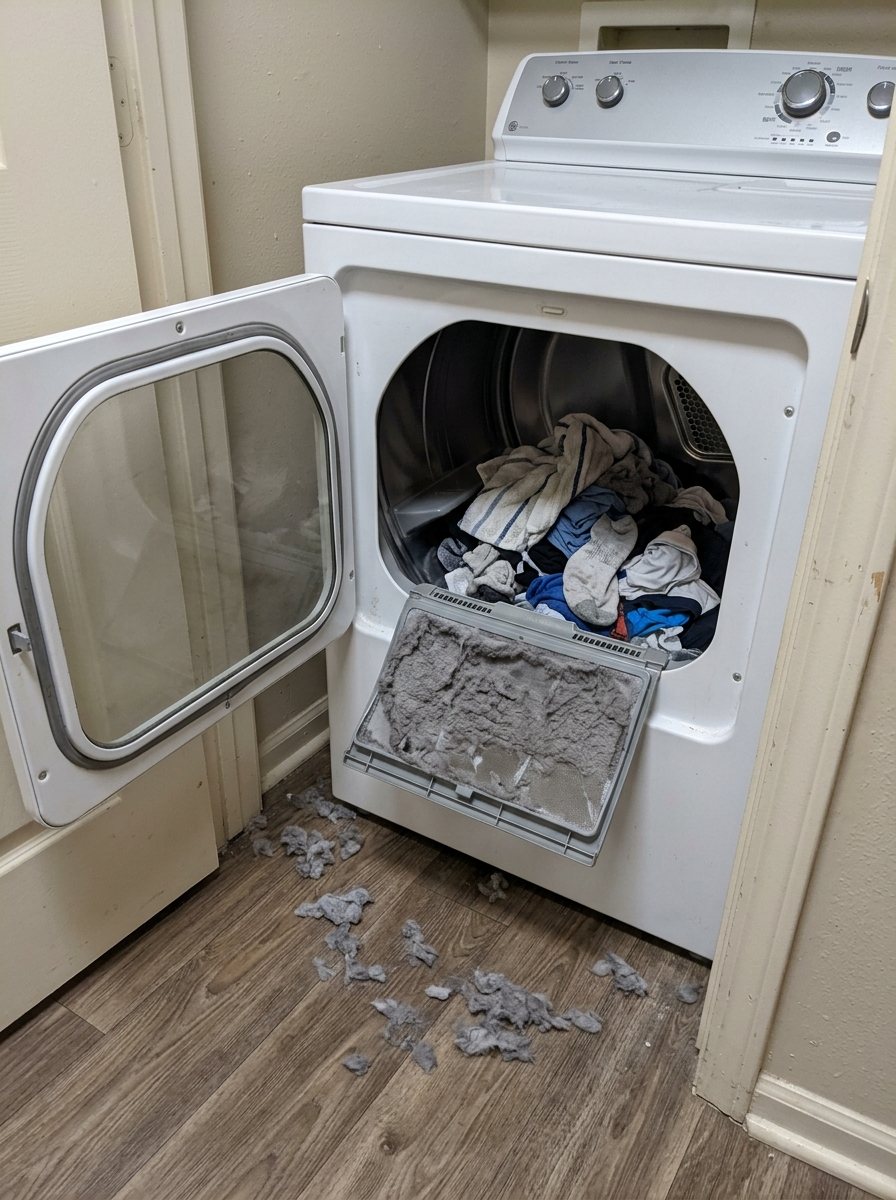
Can a clogged lint trap cause a water leak in my KitchenAid dryer?
While a clogged lint trap primarily reduces drying efficiency and poses a fire hazard, it can indirectly contribute to condensation buildup if airflow is severely restricted. However, it is rarely the primary cause of significant water leaks and usually results in minor drips rather than puddles.
How often should I inspect my KitchenAid dryer's water connections?
It's advisable to visually inspect the water inlet hose and steam connections of your KitchenAid dryer every 6-12 months, especially if you have hard water. Regular checks for mineral buildup, cracks, or loose fittings can prevent unexpected leaks and prolong the life of your appliance.
Related problems
More KitchenAid dryer problems
Check another symptom for your KitchenAid Dryer.
Leaking water: other brands
Guides and hubs
A resident sent you this?
Water under an appliance: how a property manager sorts it into emergency, urgent or routine, and what moves it up.
The manager’s guide →Ask AI about this problem

What it is, how urgent, who to call
Add a photo of your KitchenAid Dryer in the box at the top. The Triage Profile says what it is, how urgent it is, and who to call.