

Kenmore Water Heater: Making Loud Noise
Usually sediment built up on the tank bottom, or a failing heating element. Add a photo of your Kenmore Water Heater in the box below: the Triage Profile says what it is, how urgent it is, and who to call.
Show us the water heater.
Snap a photo — see what it is, how urgent, who to call. One photo of the problem. fixRAgent reads it and gives you a Triage Profile.
Or start with a sentence
AR Logic LLC · Privacy · Managing this for someone else? There is a version of this for whole portfolios. Managers: set it up for your buildings →
In the next five minutes
Safe first steps, before the call. Nothing here needs a tool.
If you smell gas, a carbon monoxide alarm sounds, or anyone feels dizzy or sick: don’t touch any switch or plug, leave and get everyone out, then call 911 or the gas company from outside.
No gas smell? Note what the noise sounds like and when it happens, then turn the water heater’s gas control knob to OFF if it’s gas, or switch off its breaker if it’s electric.
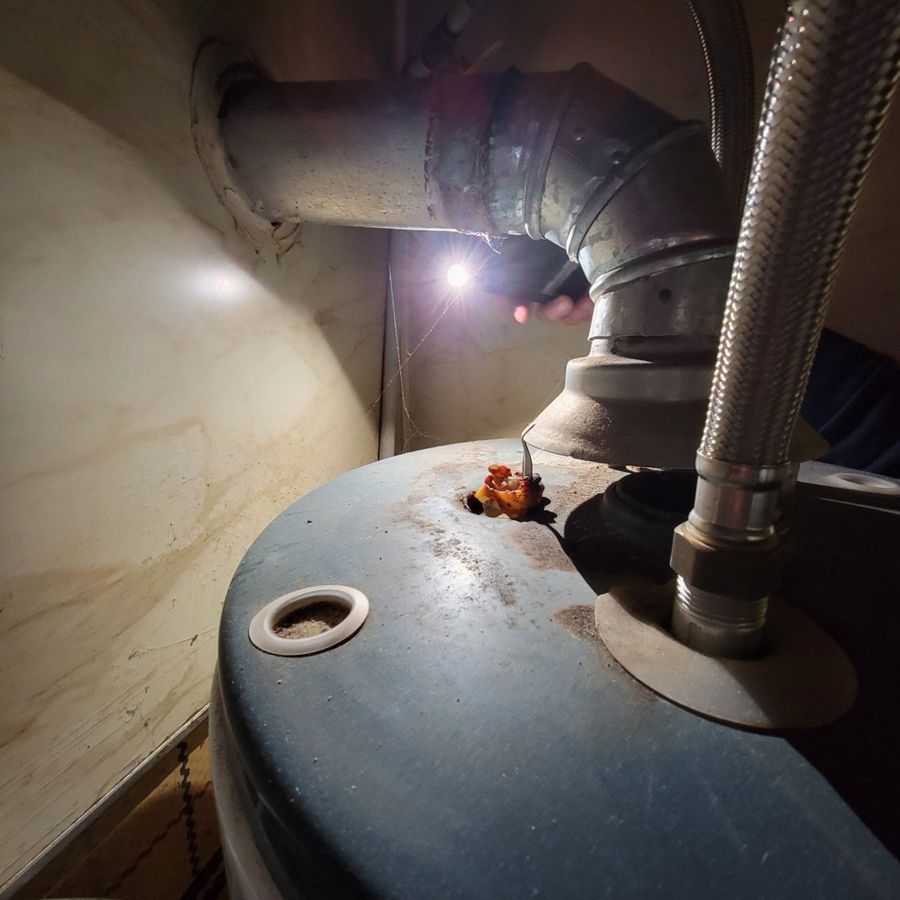
Take a photo of the tank, the floor and its label, without opening anything.
Everything else about this problem
Is it an emergency?
Is a loud noise from a Kenmore water heater an emergency?
Usually not an emergency. A grinding, rattling or humming that has just started most often comes from a fan, motor, belt or loose panel. Stop using it and cut the power if the noise comes with a burning smell, smoke or sparks; if it runs on gas and you smell gas, leave and call the gas company or 911 from outside.
Symptoms & causes
Loud noises in a Kenmore water heater often manifest as popping, rumbling, or banging sounds, particularly when the unit is actively heating water. These noises are typically caused by sediment buildup at the bottom of the tank, which superheats and then explodes as water escapes, creating the popping sound. Over time, this sediment can reduce heating efficiency, increase energy consumption, and potentially damage the heating elements or the tank lining itself.
Tools & parts
For flushing sediment, you will primarily need a standard garden hose, a large bucket, and a flathead screwdriver for the drain valve, costing virtually nothing if these are already on hand. If a faulty heating element is suspected, a multimeter is essential for testing continuity, and a new Kenmore-compatible heating element. For anode rod inspection or replacement, a 1-1/16 inch socket wrench and a new magnesium anode rod will be required.
Safety first
Always begin by shutting off the power to the Kenmore water heater at the circuit breaker and turning off the cold water supply valve to prevent electric shock and water damage. Be aware that the water inside the tank can be extremely hot, so wear appropriate protective gloves and eye protection when draining or working near hot components. Ensure the area is well-ventilated, especially if dealing with a gas Kenmore water heater, to avoid carbon monoxide buildup, although this specific problem is more common with electric models.
When to call a pro
A professional technician should be called if the noise persists after thorough flushing, indicating potential structural damage to the tank or a failing dip tube. If you detect a metallic grinding noise or a persistent leak from the tank itself, this often signifies compromised tank integrity, which is beyond DIY repair and requires professional assessment or replacement. Additionally, if the pressure relief valve is consistently discharging or the Kenmore water heater is not heating effectively despite troubleshooting, a professional can track down complex issues like faulty thermostats or internal component failures.
Questions people ask
Why does my Kenmore water heater make a popping sound?
Popping sounds are usually caused by sediment buildup at the bottom of the tank. As the heating element heats the water, trapped pockets of water within the sediment superheat and then burst, creating the noise.
Can I ignore the loud noises from my Kenmore water heater?
No, ignoring loud noises can lead to reduced efficiency, higher energy bills, and potential damage to the heating elements or the tank itself. Addressing the issue promptly can extend the life of your Kenmore unit.
How often should I flush my Kenmore water heater to prevent noise?
It is generally recommended to flush your Kenmore water heater annually to remove sediment buildup. In areas with hard water, more frequent flushing, perhaps every six months, might be beneficial.
Related problems
More Kenmore water heater problems
Check another symptom for your Kenmore Water Heater.
Making a loud noise: other brands
Guides and hubs
A resident sent you this?
What a property manager should do when a resident reports a leaking water heater: the first message, how urgent, who to send.
The manager’s checklist →Ask AI about this problem
What it is, how urgent, who to call
Add a photo of your Kenmore Water Heater in the box at the top. The Triage Profile says what it is, how urgent it is, and who to call.