

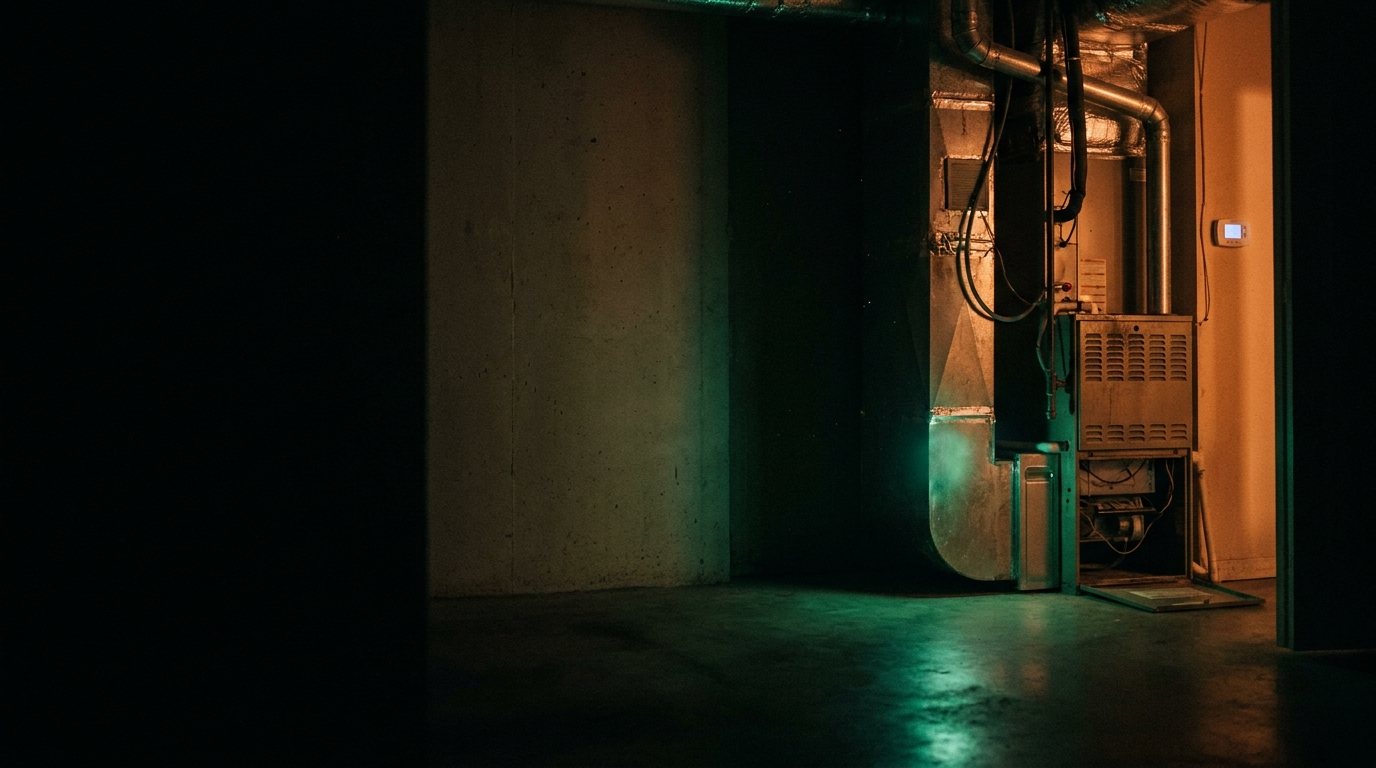
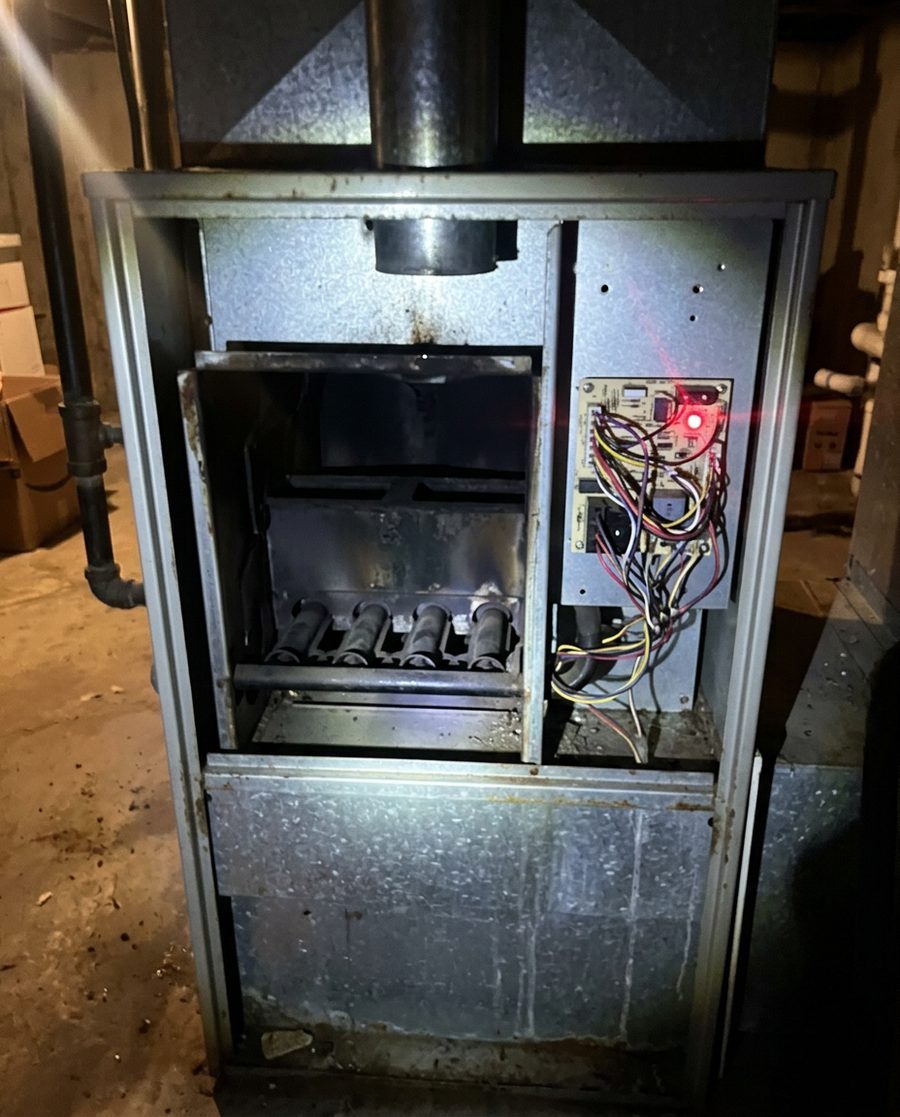
Electrolux Furnace: Leaking Water
On high-efficiency furnaces, usually a clogged condensate drain or trap; otherwise a humidifier line. Add a photo of your Electrolux Furnace in the box below: the Triage Profile says what it is, how urgent it is, and who to call.
Show us the furnace.
Snap a photo — see what it is, how urgent, who to call. One photo of the problem. fixRAgent reads it and gives you a Triage Profile.
Or start with a sentence
AR Logic LLC · Privacy · Managing this for someone else? There is a version of this for whole portfolios. Managers: set it up for your buildings →
In the next five minutes
Safe first steps, before the call. Nothing here needs a tool.
If you smell gas, a carbon monoxide alarm sounds, or anyone feels dizzy or sick: don’t touch any switch or plug, leave and get everyone out, then call 911 or the gas company from outside.
If water is near an outlet or cord, don’t touch them. Switch the furnace off at the thermostat, then at its breaker. Don’t stand in water to reach the breaker panel; if the panel is wet or you’d have to stand in water, leave it and call.
Take a photo of the furnace, the water and any flashing light, without opening anything.
Everything else about this problem
Is it an emergency?
Is an Electrolux furnace leaking water an emergency?
Usually urgent, and it can be an emergency. Turn off the water to it and switch off its breaker, then soak up standing water. If water is reaching outlets or cords, switch off the breaker before touching anything; water coming through a ceiling is an emergency.
Symptoms & causes
A common symptom of an Electrolux furnace leaking water is the presence of a puddle around the base of the unit, often accompanied by dripping sounds or water stains on nearby walls or ceilings. The primary root causes typically include a clogged condensate drain line, a cracked humidifier pan, or a failing heat exchanger. For Electrolux models, a blocked condensate line due to algae or debris buildup is the most frequent culprit, preventing proper drainage of the water produced during the heating cycle.
Tools & parts
Essential tools for addressing a leaking Electrolux furnace include a wet/dry vacuum, a pipe brush, and a basic screwdriver set for accessing panels. Specific parts that might be needed are PVC fittings, a new condensate pump if the existing one fails, or specialized condensate drain cleaner. These items are crucial for clearing blockages or replacing compromised sections of the condensate system, which is a common source of leaks.
Safety first
Immediately turn off your Electrolux furnace at the thermostat and then at its dedicated electrical breaker in your home's service panel to prevent electrocution. Water near electrical components poses a severe shock hazard, and a compromised heat exchanger can silently release dangerous carbon monoxide into your living space. Always wear insulated gloves and ensure the area is completely dry before attempting any inspection or repair to mitigate electrical risks.
When to call a pro
A cracked heat exchanger, often identifiable by rust or water inside the combustion chamber, is a critical failure mode that requires immediate professional replacement due to the severe carbon monoxide poisoning risk. Persistent leaks after thoroughly clearing the condensate line, or water originating directly from the exhaust flue, indicate a more complex issue such as a compromised flue pipe or internal component failure that needs expert testing. Electrolux furnaces displaying specific error codes related to pressure switches or ignition failures, especially when accompanied by water, often point to issues beyond typical DIY repair capabilities and warrant a certified technician.
Questions people ask
Why is my Electrolux furnace leaking water only when it's cold outside?
This often indicates a frozen condensate line or an issue with the exhaust vent system. When outdoor temperatures drop significantly, the condensate can freeze within the drain line, causing a backup and subsequent overflow.
Can I use a regular shop vacuum to clear the condensate line?
Yes, a wet/dry shop vacuum is highly effective for clearing blockages in the condensate drain line. Attach the vacuum hose securely to the end of the drain pipe and ensure a tight seal to suction out any accumulated debris or water.
How often should I check my Electrolux furnace's condensate drain?
It is highly recommended to inspect and clean the condensate drain line at least once a year, ideally before the heating season begins. Regular maintenance helps prevent the buildup of algae and debris, which are common causes of clogs and leaks.
Related problems
More Electrolux furnace problems
Check another symptom for your Electrolux Furnace.
Leaking water: other brands
Guides and hubs
A resident sent you this?
What a property manager should do when a resident reports no heat: the first message, how urgent, who to send.
The manager’s checklist →Ask AI about this problem
What it is, how urgent, who to call
Add a photo of your Electrolux Furnace in the box at the top. The Triage Profile says what it is, how urgent it is, and who to call.