

Bosch Water Heater: Making Loud Noise
Usually sediment built up on the tank bottom, or a failing heating element. Add a photo of your Bosch Water Heater in the box below: the Triage Profile says what it is, how urgent it is, and who to call.
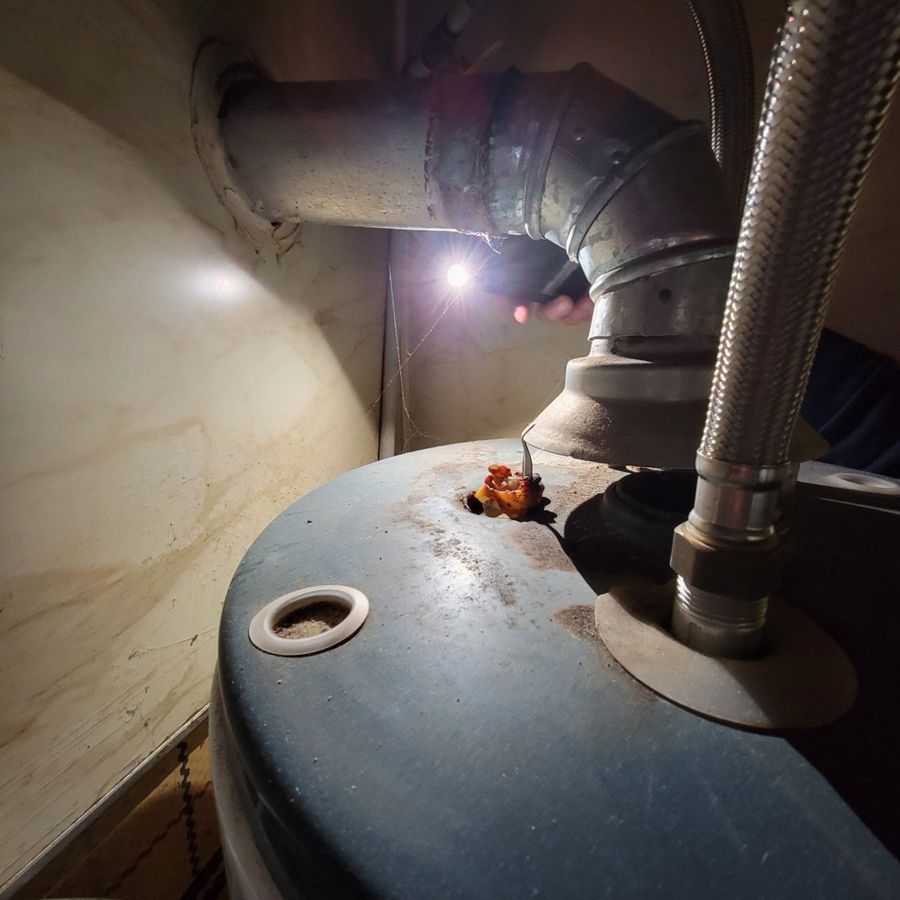
Show us the water heater.
Snap a photo — see what it is, how urgent, who to call. One photo of the problem. fixRAgent reads it and gives you a Triage Profile.
Or start with a sentence
AR Logic LLC · Privacy · Managing this for someone else? There is a version of this for whole portfolios. Managers: set it up for your buildings →
In the next five minutes
Safe first steps, before the call. Nothing here needs a tool.
If you smell gas, a carbon monoxide alarm sounds, or anyone feels dizzy or sick: don’t touch any switch or plug, leave and get everyone out, then call 911 or the gas company from outside.
No gas smell? Note what the noise sounds like and when it happens, then turn the water heater’s gas control knob to OFF if it’s gas, or switch off its breaker if it’s electric.
Take a photo of the tank, the floor and its label, without opening anything.
Everything else about this problem
Is it an emergency?
Is a loud noise from a Bosch water heater an emergency?
Usually not an emergency. A grinding, rattling or humming that has just started most often comes from a fan, motor, belt or loose panel. Stop using it and cut the power if the noise comes with a burning smell, smoke or sparks; if it runs on gas and you smell gas, leave and call the gas company or 911 from outside.
Symptoms & causes
Loud banging, popping, or rumbling noises from your Bosch water heater often indicate a significant buildup of sediment at the bottom of the tank. This sediment traps water, causing it to superheat and create steam pockets that violently collapse, producing the disruptive sounds. A high-pitched whining or humming might suggest a failing heating element or a loose component vibrating within the unit.
Tools & parts
A standard garden hose and a bucket are essential for draining the tank, costing virtually nothing if you already own them. For a thorough flush, a specialized water heater flush kit, which includes a descaling solution. If a heating element replacement is needed, you'll require a heating element wrench and a new Bosch-compatible heating element.
Safety first
Always begin by shutting off the cold water supply valve to the water heater and turning off the electrical breaker or gas supply to prevent electrocution or gas leaks. Be extremely cautious of scalding hot water when draining the tank, ensuring the hose is directed to a safe drain or outdoor area. If working with a gas water heater, ensure adequate ventilation to prevent carbon monoxide buildup and never attempt repairs if you smell gas.
When to call a pro
Persistent loud banging or rumbling after multiple tank flushes often indicates severe calcification that may require professional descaling or even a tank replacement, which is beyond typical DIY scope. If the pressure relief valve is continuously discharging or leaking, it suggests an underlying issue with excessive pressure or a faulty valve that a certified technician should inspect immediately. Complex electrical problems, such as a shorted heating element that trips the breaker or a malfunctioning thermostat, are best identified and repaired by a qualified electrician or appliance repair specialist to ensure safety and proper function.
Questions people ask
Why does my Bosch water heater make a popping noise?
Popping noises are typically caused by sediment buildup at the bottom of the tank, which traps water that then superheats. As these superheated water pockets turn to steam and then collapse, they create the popping sound. Regular flushing can prevent this issue.
Can I fix a noisy water heater myself?
Many common noise issues, especially those related to sediment buildup, can often be resolved by a homeowner through a simple tank flush. However, more complex problems involving electrical components, gas lines, or persistent issues after flushing should always be addressed by a qualified professional for safety and effective repair.
How often should I flush my Bosch water heater to prevent noise?
It is generally recommended to flush your Bosch water heater annually, or even more frequently if you live in an area with particularly hard water. Regular flushing helps to remove mineral deposits and sediment, significantly extending the lifespan of your unit and preventing noise issues.
Related problems
More Bosch water heater problems
Check another symptom for your Bosch Water Heater.
Making a loud noise: other brands
Guides and hubs
A resident sent you this?
What a property manager should do when a resident reports a leaking water heater: the first message, how urgent, who to send.
The manager’s checklist →Ask AI about this problem
What it is, how urgent, who to call
Add a photo of your Bosch Water Heater in the box at the top. The Triage Profile says what it is, how urgent it is, and who to call.