What it is, how urgent, which trade — and what to say to your tenant right now. No sign‑up.
A real card · 13 Sep 2026
EMERGENCY · PLUMBER
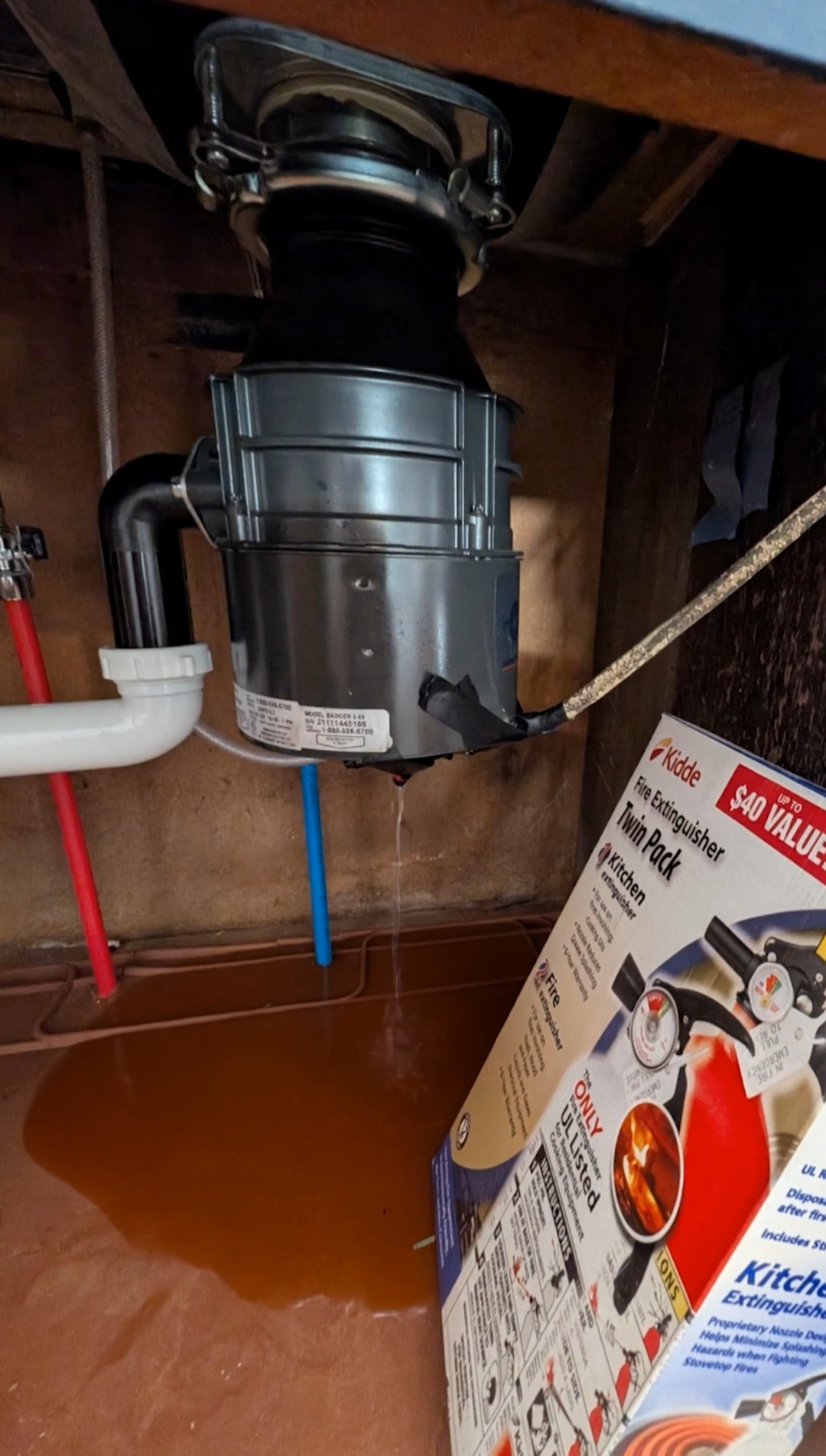
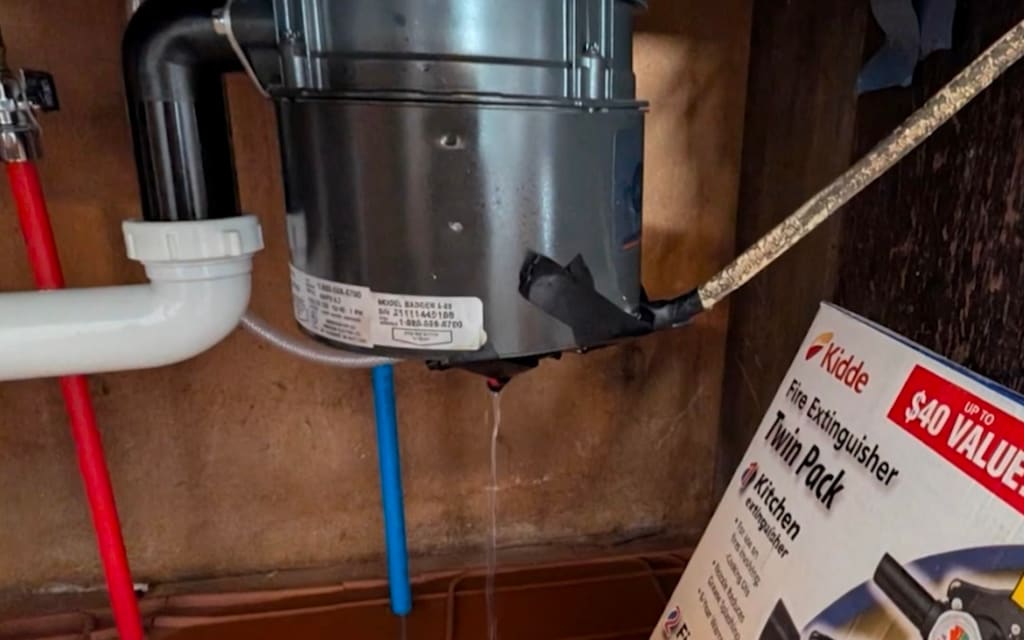
the whole photograph, read
Naming the fault is half of it. The other half is the message you have to write at 11pm, to somebody who is frightened and is not a technician. The card writes that too, in your voice, ready to send.
“I’ve seen the photo and I’m treating this as an emergency. Please keep away from the disposal and don’t run the tap. I’m getting a plumber to you tonight — out of hours if that is what it takes. If anything changes before they arrive, call me straight away.”
The card’s own words · yours to copy, or to send as a text
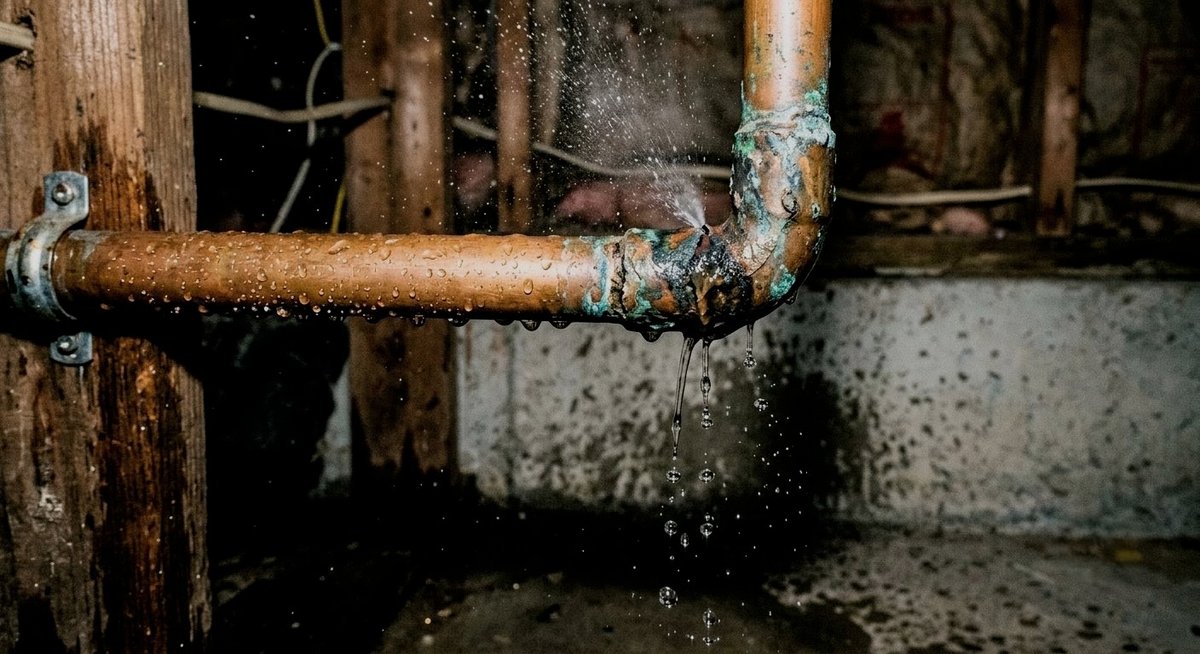
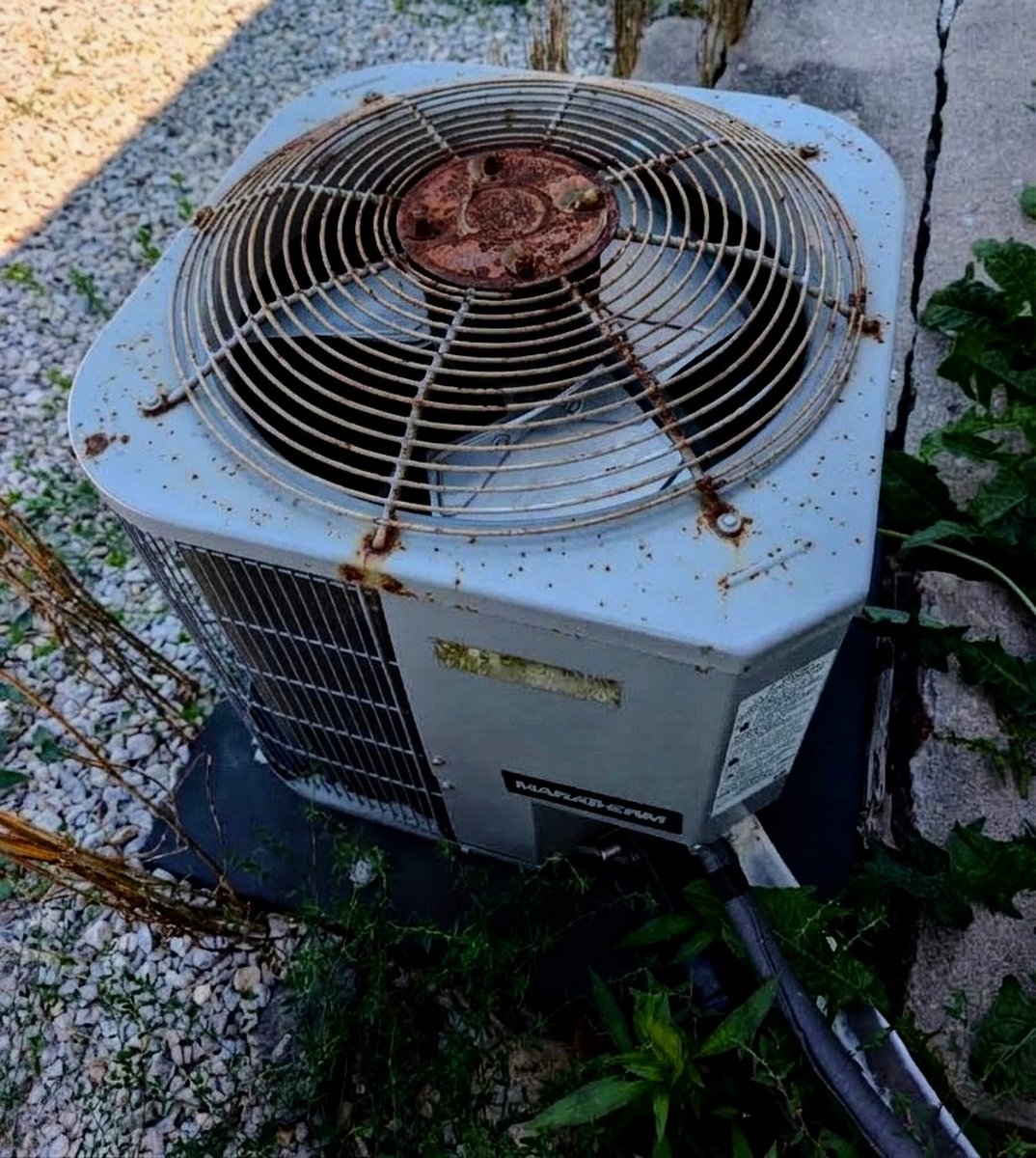
A landlord at 11pm. A handyman in a driveway. This is what actually arrives — phone photos taken in bad light by somebody who is not a technician. Somebody still has to call it.
No sensors. No retrofit. One photograph of something nobody wired up — and the card says what it found, and where.
A resident photographs a puddle. What matters is eighteen inches above it — which fitting, which thread, which side of the shutoff. The card names the part, so the person who drives out is the right person.
The photo goes in and the same JSON shape comes out every time — a triage id, the card’s fields, and a callback for what actually happened. Developers don’t take our word for it; they read the JSON.
Copies a one-line install prompt for your coding agent. The HTTP door, in one paste.
Photographs like these arrive every night.
Every card is a guess until the person who was there says what it was. So the next afternoon one question comes back, and one tap closes it.
What did the garbage disposal turn out to be?
One tap, no sign‑up, no reply to write. The answer goes on the record for that unit — and every closed one makes the next card sharper for buildings like yours.
Show us the photo. The card is back in about ten seconds. No sign‑up.
A day later we will ask one question — what was it? That will build verified outcomes on your own buildings.