

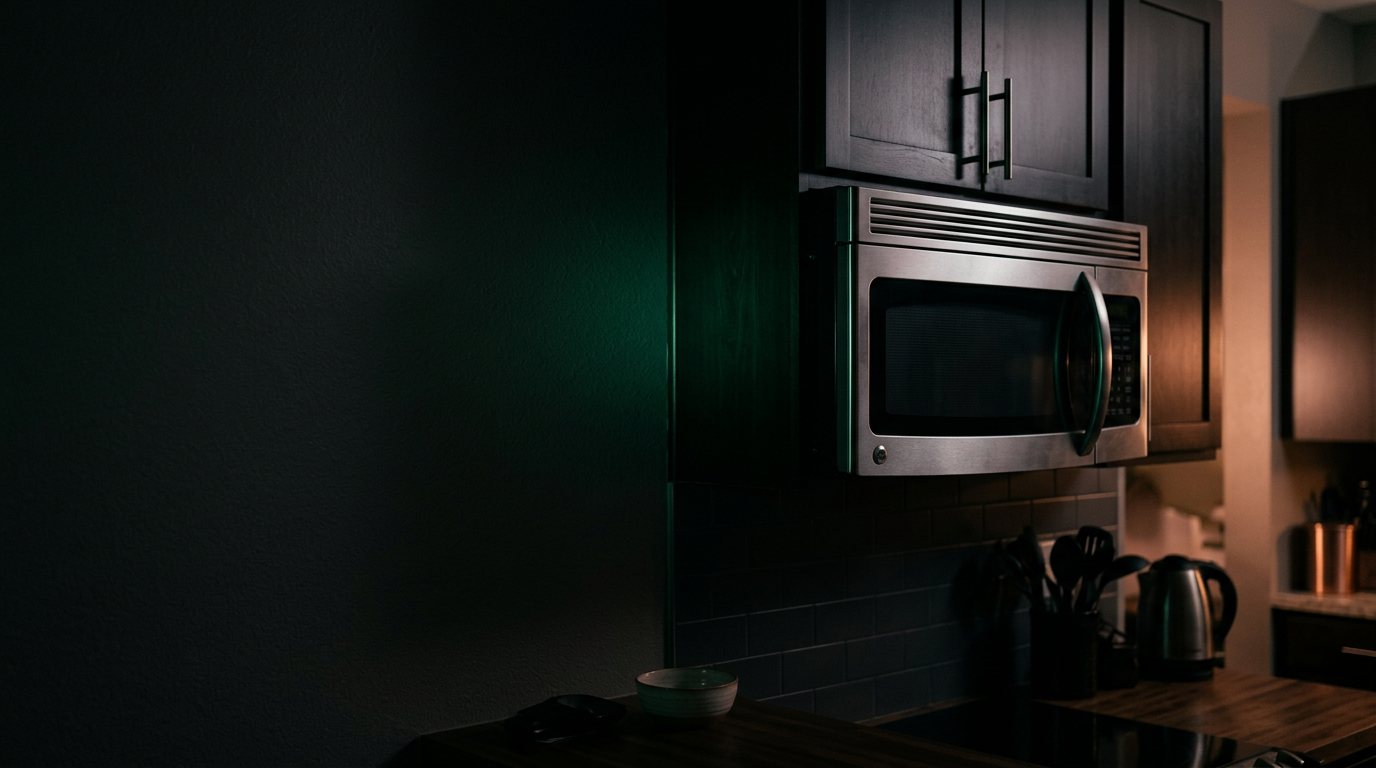
LG Microwave: Leaking Water
Usually condensation pooling, a steam-feature fault, or a blocked vent — true leaks are rare. Add a photo of your LG Microwave in the box below: the Triage Profile says what it is, how urgent it is, and who to call.
Show us the microwave.
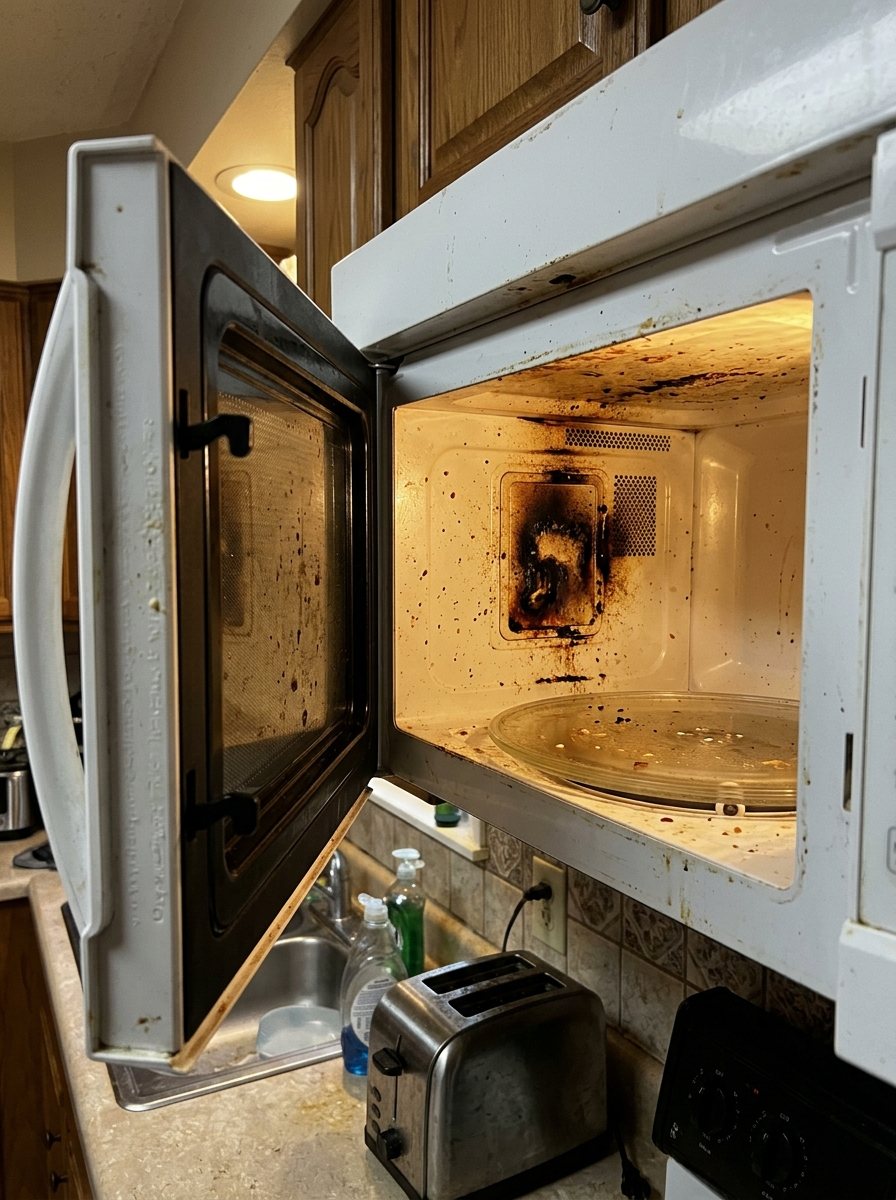
Snap a photo — see what it is, how urgent, who to call. One photo of the problem. fixRAgent reads it and gives you a Triage Profile.
Or start with a sentence
AR Logic LLC · Privacy · Managing this for someone else? There is a version of this for whole portfolios. Managers: set it up for your buildings →
In the next five minutes
Safe first steps, before the call. Nothing here needs a tool.
If water is near the plug or outlet, don’t touch them. Switch off the microwave’s breaker first. Don’t stand in water to reach the breaker panel; if the panel is wet or you’d have to stand in water, leave it and call.
Don’t use the microwave until it’s dry and checked: parts inside hold a dangerous charge even when it’s off.
Take a photo of the microwave and where the water is coming from, without opening anything.
Everything else about this problem
Is it an emergency?
Is an LG microwave leaking water an emergency?
Usually urgent, and it can be an emergency. Turn off the water to it and unplug it or switch off its breaker, then soak up standing water. If water is reaching outlets or cords, switch off the breaker before touching anything; water coming through a ceiling is an emergency.
Symptoms & causes
Your LG microwave is leaking water, often observed pooling underneath the appliance or dripping from the door seal during or after operation. This leakage can stem from excessive condensation due to steam buildup, a compromised door seal, or internal component issues. Persistent leaks might indicate a more serious internal problem beyond simple condensation, potentially affecting the appliance's electrical safety.
Tools & parts
For basic inspection, you will need a Phillips head screwdriver and a clean cloth for wiping down surfaces. If the door seal is damaged, a replacement LG microwave door seal may be needed, and it can be installed with minimal tools. Should the waveguide cover be cracked, a new mica waveguide cover for LG models may be needed, and it takes only a screwdriver to replace.
Safety first
Always unplug your LG microwave from the power outlet before attempting any inspection or repair to prevent electrical shock. Be extremely cautious of the high-voltage capacitor inside, as it can store a lethal electrical charge even after the unit is unplugged. Do not touch any internal components, especially the capacitor, without proper knowledge of how to safely discharge it.
When to call a pro
If the leak is accompanied by unusual noises, burning smells, or the microwave fails to heat food, it likely indicates a magnetron or high-voltage transformer failure requiring professional expertise. Leaks originating from internal components like a cracked waveguide cover that leads to arcing, or issues with the high-voltage diode, are complex and dangerous for DIY repair. Any suspected control board malfunction or internal plumbing leaks (for combination models) should also prompt immediate professional service to ensure safety and proper function.
Questions people ask
Why is my LG microwave leaking water?
Condensation from steam, a damaged door seal, or a clogged vent can cause leaks in your LG microwave. Internal component failures like a cracked waveguide cover or a faulty water reservoir (if applicable to specific LG models) are also possibilities.
Can I fix an LG microwave water leak myself?
Minor leaks due to excessive condensation or a simple door seal replacement are often DIY-friendly for LG microwaves. However, internal electrical component issues or complex plumbing (for some combi models) should be handled by a professional technician due to high voltage risks.
How do I prevent my LG microwave from leaking?
Regularly clean the interior of your LG microwave to prevent food buildup that can block vents and ensure the door seal is free of debris. Always use microwave-safe containers and avoid overheating liquids, which can generate excessive steam and condensation.
Related problems
More LG microwave problems
Check another symptom for your LG Microwave.
Leaking water: other brands
A resident sent you this?
Water under an appliance: how a property manager sorts it into emergency, urgent or routine, and what moves it up.
The manager’s guide →Ask AI about this problem

What it is, how urgent, who to call
Add a photo of your LG Microwave in the box at the top. The Triage Profile says what it is, how urgent it is, and who to call.