

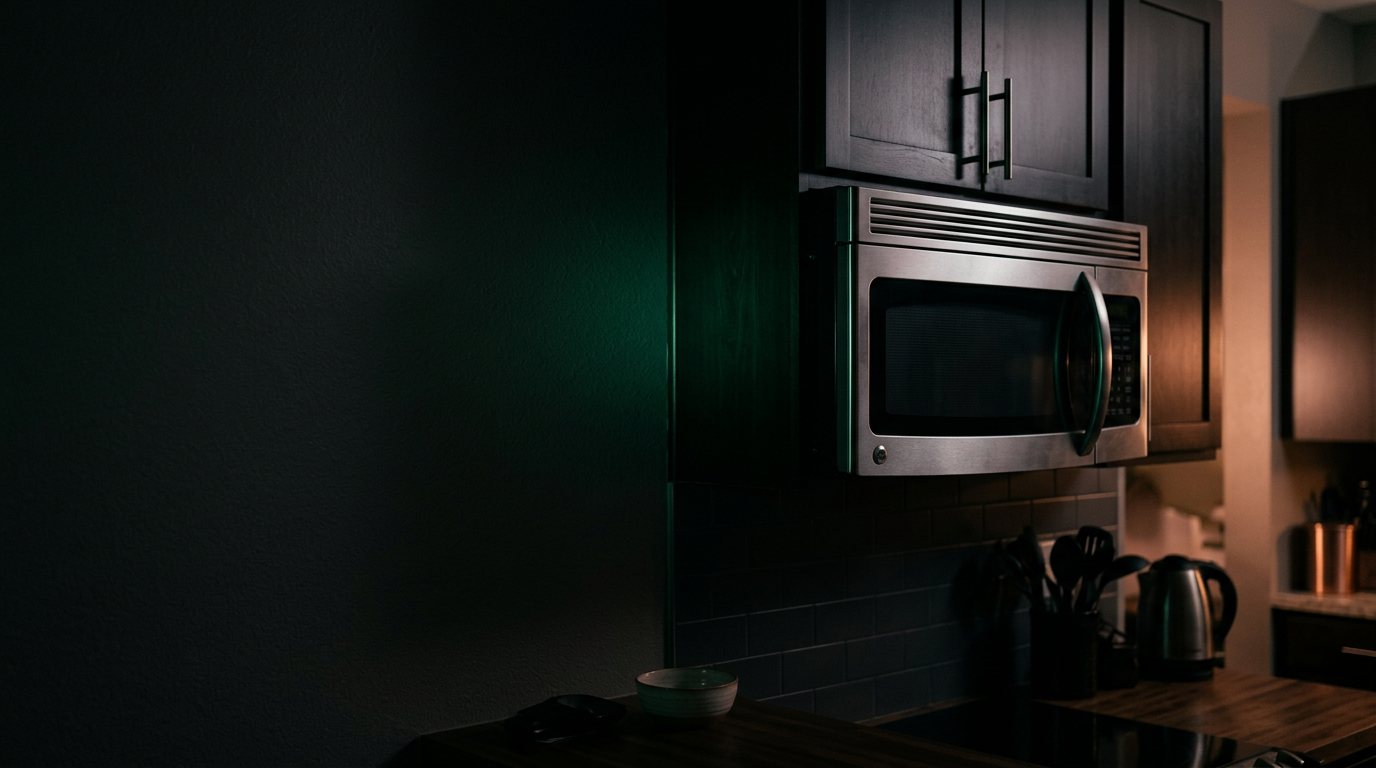
Amana Microwave: Making Loud Noise
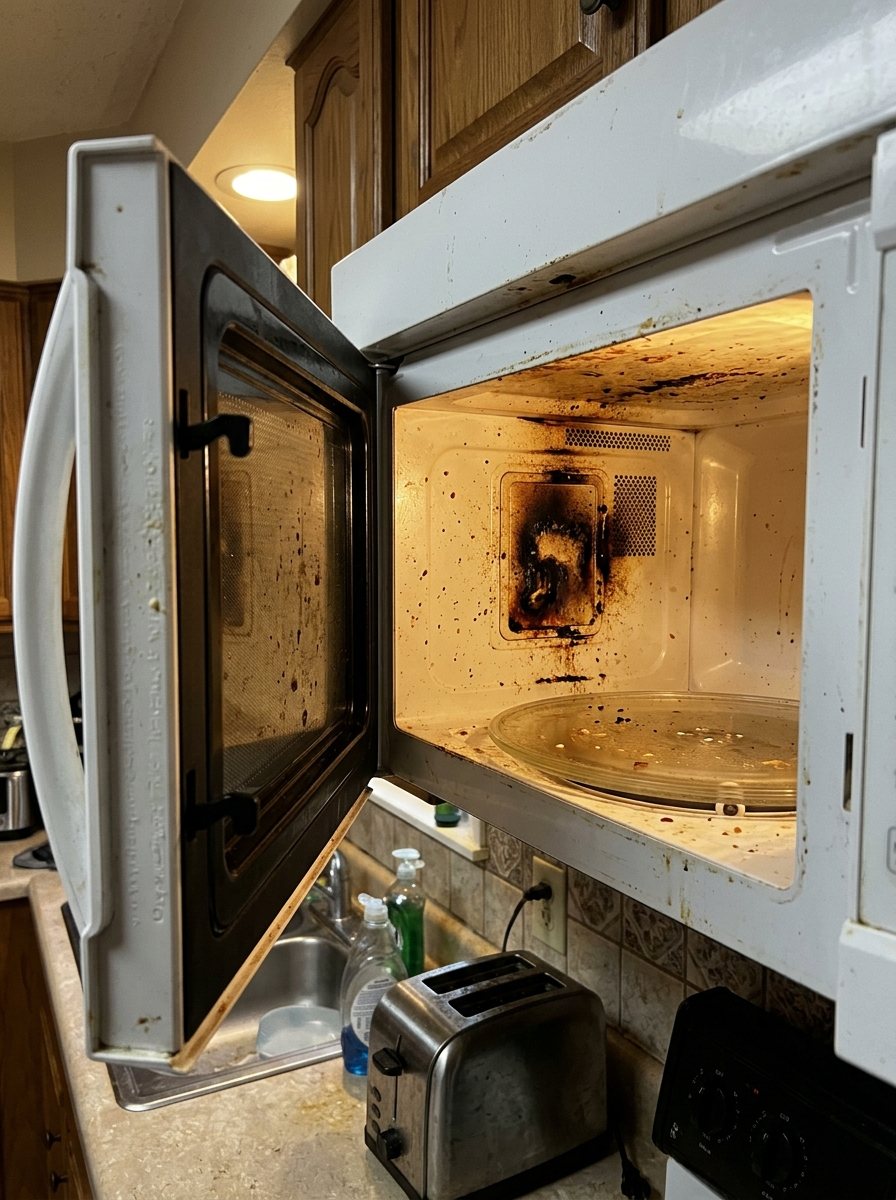
Often a failing magnetron, a worn turntable motor, or a bad cooling fan. Add a photo of your Amana Microwave in the box below: the Triage Profile says what it is, how urgent it is, and who to call.
Show us the microwave.
Snap a photo — see what it is, how urgent, who to call. One photo of the problem. fixRAgent reads it and gives you a Triage Profile.
Or start with a sentence
AR Logic LLC · Privacy · Managing this for someone else? There is a version of this for whole portfolios. Managers: set it up for your buildings →
In the next five minutes
Safe first steps, before the call. Nothing here needs a tool.
Note what the noise sounds like and when it happens, then stop the microwave and switch off its breaker, or unplug it if the plug is dry and easy to reach.
Take a photo of the microwave and any code on the display, without opening anything.
Don’t use it again until it’s checked, and keep people away from it.
Everything else about this problem
Is it an emergency?
Is a loud noise from an Amana microwave an emergency?
Usually not, but it can be. A grinding, rattling or humming that has just started most often comes from a fan, motor, belt or loose panel. Stop using it and cut the power if the noise comes with a burning smell, smoke or sparks.
Symptoms & causes
Loud noises in an Amana microwave often indicate a failing magnetron, a worn-out turntable motor, or a defective high-voltage diode. Grinding or buzzing sounds typically point to the magnetron or cooling fan, while a clicking noise might suggest a faulty stirrer motor or turntable motor. These noises are usually accompanied by poor heating performance or uneven cooking, signaling a need for internal inspection.
Tools & parts
For checking loud noises in an Amana microwave, you will need a multimeter for testing electrical components, a screwdriver set for accessing internal parts, and possibly needle-nose pliers. Replacement parts might include an Amana magnetron, a turntable motor, or a cooling fan motor. Ensure you have insulated gloves and a capacitor discharge tool for safety when working with high-voltage components.
Safety first
Always unplug your Amana microwave from the wall outlet before attempting any inspection or repair to prevent electrical shock. Be extremely cautious of the high-voltage capacitor, which can store a lethal charge even after the appliance is unplugged; always discharge it safely using a resistor or insulated screwdriver. Never operate the microwave with the outer casing removed, as exposure to microwave radiation can be extremely dangerous.
When to call a pro
A professional technician should be called if the noise is accompanied by smoke, burning smells, or sparks, as this indicates a serious electrical fault like a shorted transformer or a failing magnetron. If you suspect a high-voltage capacitor or diode failure, it is best to defer to a professional due to the significant shock hazard and specialized testing required. Complex internal component replacements, such as the magnetron or high-voltage transformer, often require specific tools and expertise to ensure proper installation and safety.
Questions people ask
Why is my Amana microwave making a loud buzzing noise?
A loud buzzing noise often indicates a failing magnetron, which generates the microwaves, or a defective high-voltage transformer. It could also be a loose cooling fan blade vibrating against the casing.
Can I fix a noisy Amana microwave myself?
Minor issues like a loose turntable motor or a vibrating fan can often be fixed by a DIY enthusiast with basic tools. However, high-voltage component repairs should only be attempted by experienced individuals due to significant safety risks.
What if the noise is a grinding sound?
A grinding sound in an Amana microwave typically points to a worn-out turntable motor or a failing stirrer motor located above the cooking cavity. It could also be debris caught in the fan assembly.
Related problems
More Amana microwave problems
Check another symptom for your Amana Microwave.
Making a loud noise: other brands
Guides and hubs
A resident sent you this?
fixRAgent reads resident photos for whole portfolios: what it is, how urgent, who to send, what to tell them.
Set it up for your buildings →Ask AI about this problem
What it is, how urgent, who to call
Add a photo of your Amana Microwave in the box at the top. The Triage Profile says what it is, how urgent it is, and who to call.